Showing posts with label sanitation. Show all posts

Thursday, 7 March 2019

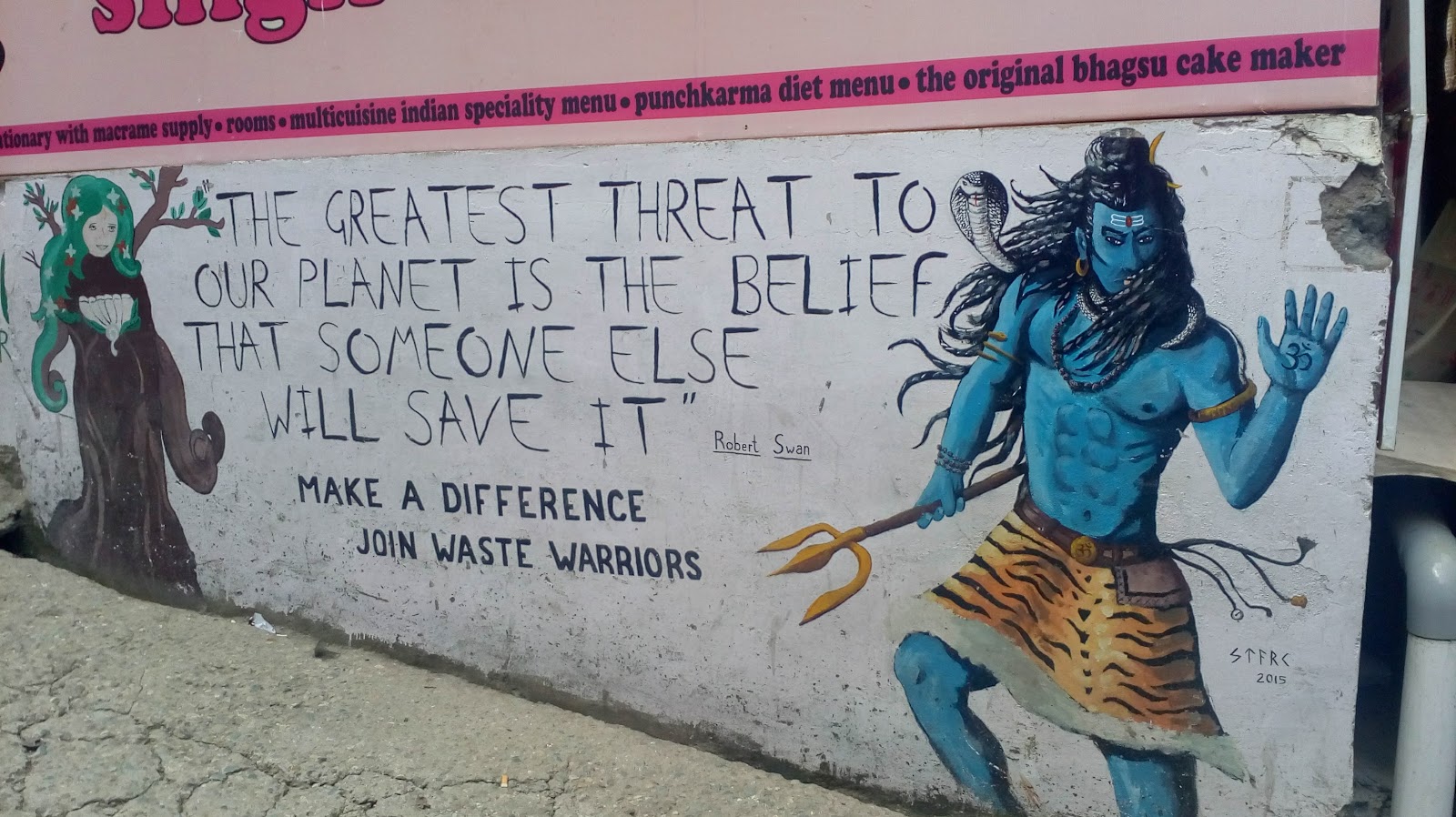
‘Grassroots Innovation’ and ‘Waste is Resource’

‘Grassroots Innovation’ and ‘Waste is Resource’


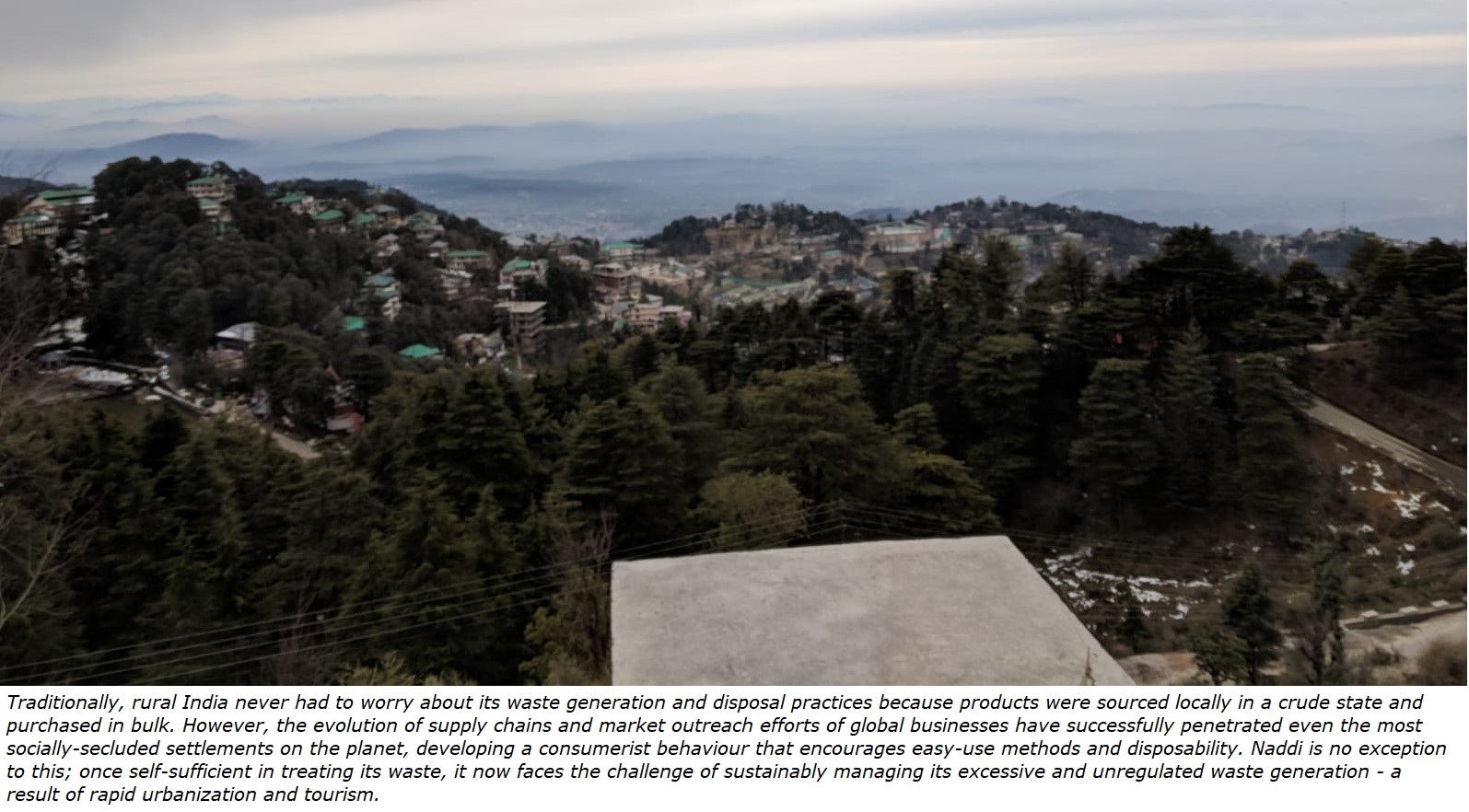
When I first arrived in Naddi after resigning from my comfortable sales job at a tech giant in Mumbai, I had limited knowledge about the development sector and the catastrophic environmental challenges daunting our planet. The radical decision to leave a prosperous career in advertising technology and join Educare as an intern was fueled by my persisting urge to find a deeper purpose in my professional life.


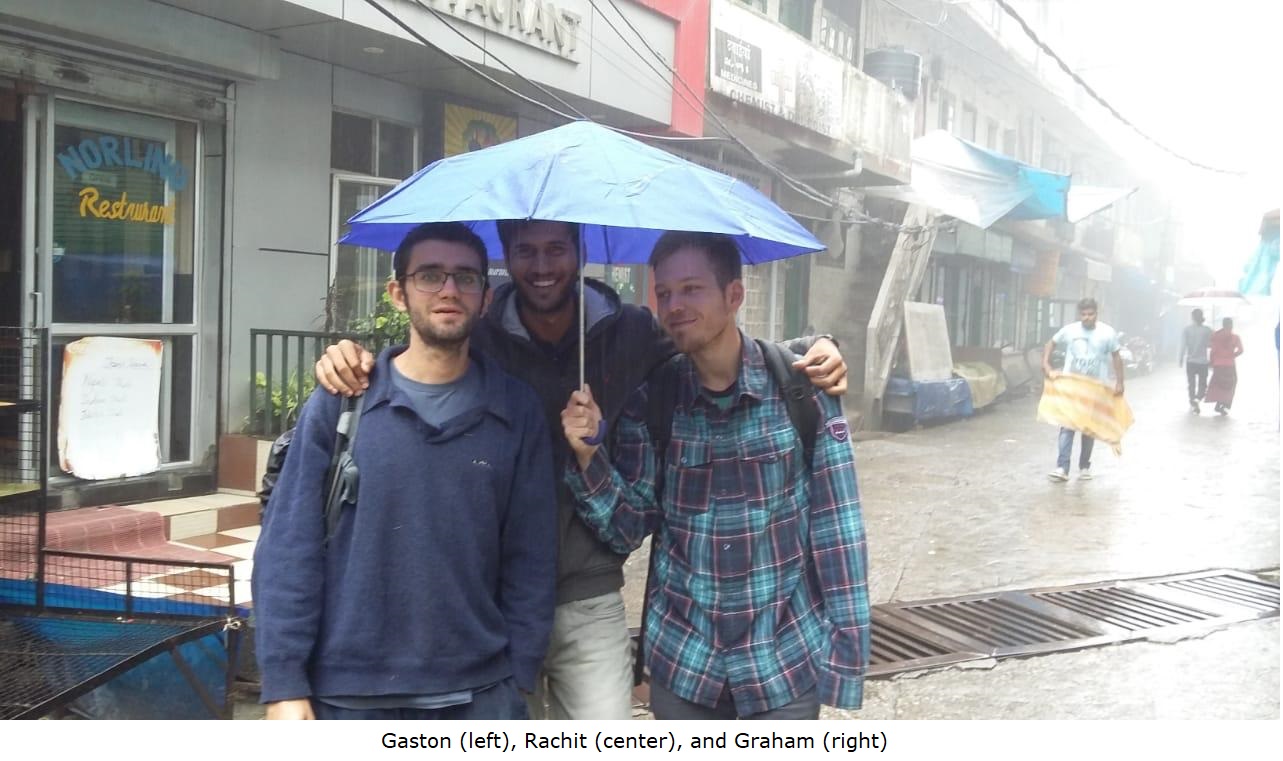
I started the Solid Waste Management project of resource recovery with my two French project partners, Graham and Gaston. At first, none of us had the slightest idea that our project would manifest into what we have managed to achieve today. After the initial two weeks of intensive research on the subject, we concluded that we wanted to design a zero-waste system for the Naddi village on the pillars of the concepts of ‘Circular Economy’ and ‘Waste is Resource/Food’. Generated waste should either enter a biological cycle where it decomposes and provides nutrients to the soil, or a technical cycle that ensures a closed-loop manufacturing system of upcycling and downcycling. Essentially, our goal was to use the waste to support the biosphere and the technosphere - a biomimetic approach we had recently studied.


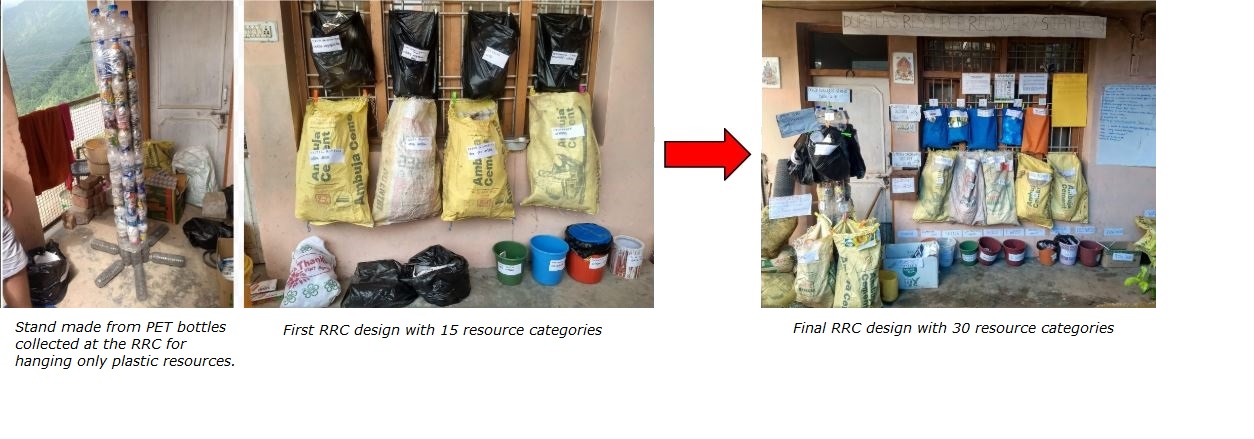
With our foundations solid and goal set, we now had to work on innovating a localized solution for this global challenge. This was the point when our Chief Director, Mr. Bhullar, introduced us to the concept of systems and design thinking, and we decided to break our goal into two tasks. First, to design a prototype of - what we now call - a ‘RRC’ (Resource Recovery Center), a platform for collection and segregation (within 30 categories) of resources. Second, to create a system around the RRC to facilitate effective and smooth collection, segregation, storage, transportation, and sustainable disposal of resources. Adopting and practicing this newly learnt approach helped us streamline our efforts, improve our focus, and see a holistic picture of what we had set out to accomplish. We were able to connect the dots and virtually actualize a systemic flow of resources from consumers to destinations of their sustainable treatment. While community engagement and behaviour change was an important component of our project, the main objective for us - as told by Mr. Bhullar - was to set up a sustainable system of resource recovery that could be continued by future interns (as it was done by Sami from Finland and Shivani from Canada).


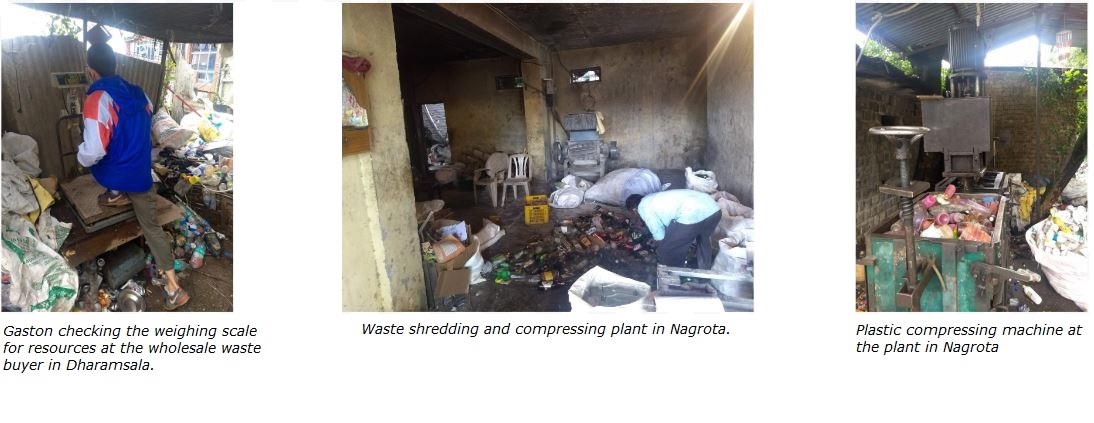
Because we had limited resources and limited knowledge in design, it took us several attempts to develop and perfect the existing RRC. It was a continuous process of design, implementation, evaluation, and amelioration - a cycle, but a forward moving one. Moreover, in order to create a system of intelligent disposal, we made multiple trips to the nearest wholesale waste buyers and recycling facilities to understand the market for the resources we intended to sell, as well as to establish a transport system with them. Not only did these trips acquaint us with the monetary value of each material, but also helped us gain new knowledge concerning the recycling industry, allowing us to better develop the RRC. 


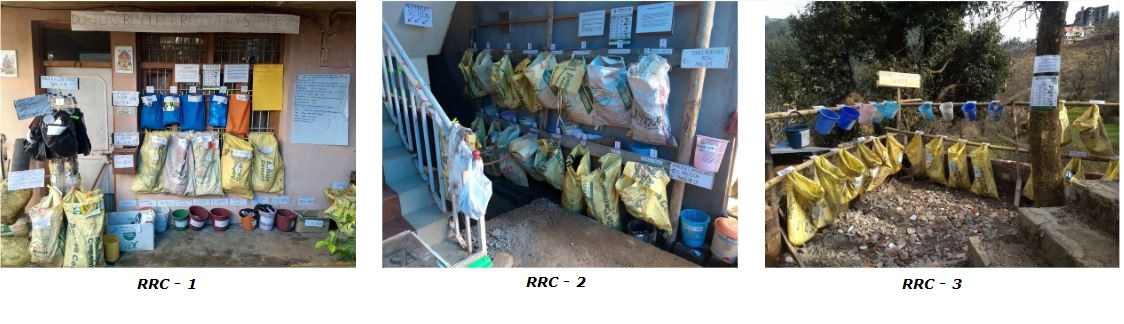
As illustrated in the images below, all our RRCs differ from each other aesthetically but are founded upon the same model. In order to succeed, we had to be flexible with our design but rigid with its essence. We had to move away from the ‘one size fits all’ approach and customize every RRC based on the context (location, free space available, community restrictions, and the resources at our disposal). Nothing comes easy when you work as an intern for an NGO in rural India. Yet, that is a virtue in itself; it forces you to become resourceful in your work and encourages you to do more with less. Such an environment also gives rise to frugal innovation - an approach I have been familiar with since childhood, but had deeply rooted within me after this stint. What I learnt from this experience is something that no classroom could have ever taught me.


It is true that an inter-cultural environment can spark greater creativity and innovation - the outcome of our project certainly justifies it. I am glad that I had the opportunity to work with people from different nationalities and forge some lifelong friendships - I am sure that I will have couches to crash on when I visit Europe.

Rachit Paliwal
Project Manager, Solid Waste Management
Naddi Village
Educare India

Thursday, 14 September 2017

The complexity of project management in sustainable development


The complexity of project management in sustainable development 

The second month revealed the diversity and complexity of project management in the development sector. First of all, I had my first “quarterlies”, a conference/seminar that takes place four times a year in which interns from all of EduCARE India’s centres get together and discuss their achievements but also the challenges they encounter in their various, often multifaceted projects.  

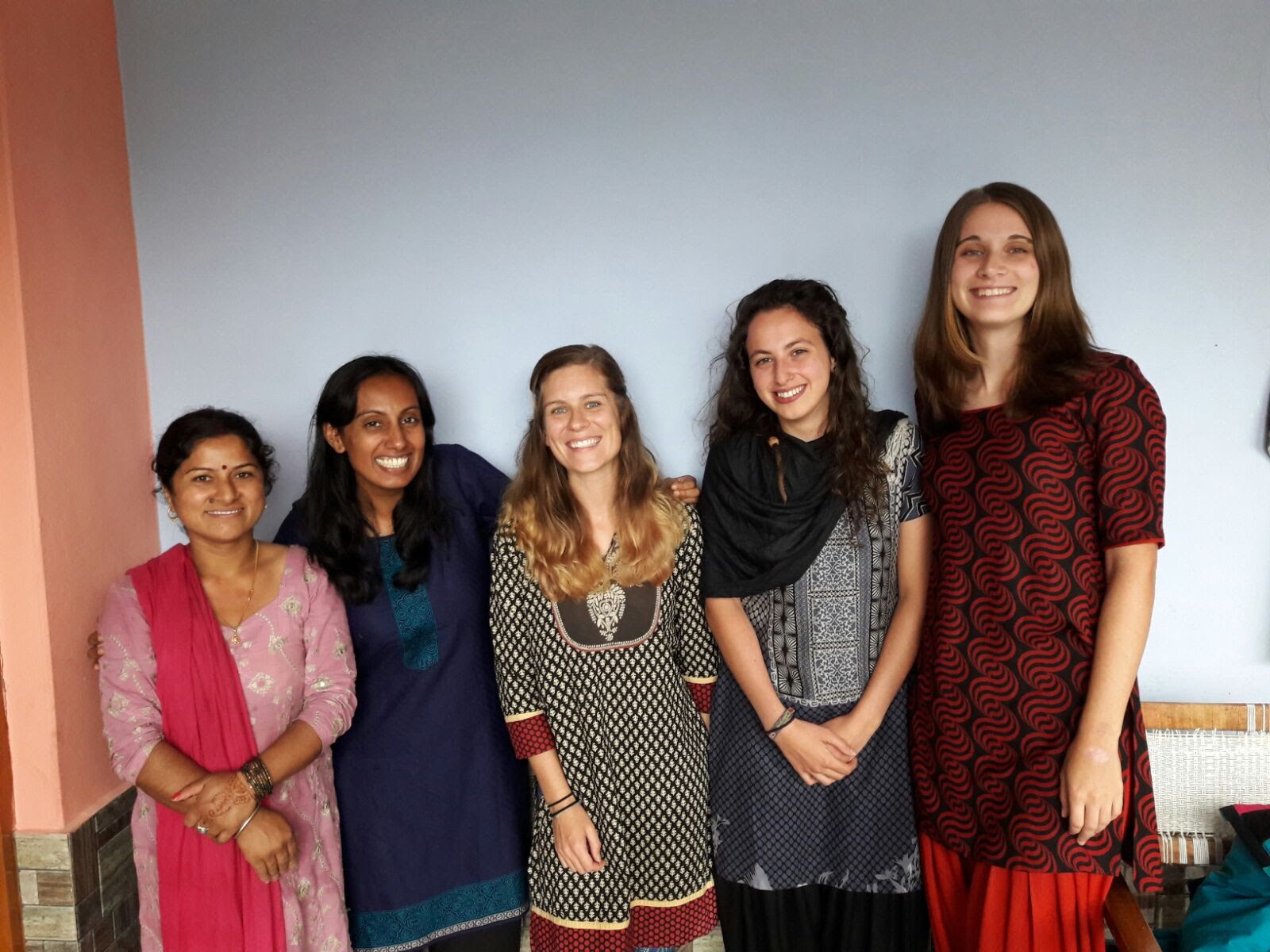
Our Team from 7 countries
 
During this quarterly event we learned about COMPLEX PROJECT MANAGEMENT TECHNIQUES, and on the kinds of THINKING one adopts in his/her everyday work in development. E.g. we had to determine which thinking style we use, i.e. we had to think about thinking, such as whether we’re an analyst, follower, learner, creator, inventor or talker & leader. I judged myself to be a learner, because one gains so many soft skills as well as knowledge about the development sector while living and working in the communities on ground. Also, one almost inevitably becomes a LEARNER because development work is so multifaceted- It involves building rapport and knowledge exchange with local authorities at the governmental level, regarding my waste management project this meant meeting the district coordinator on sanitation and waste management(Please see blog for June “The challenge but also massive opportunity of inducing sustainability and environmental conservation in rural India”) as well as doing field trips to work-related settings, such as visiting the unsanitary landfill/dumpsite in Dharamshala, a nearby town of our centre in Naddi.  

The unsanitary landfill in the nearby town Dharamshala to which also most waste from Naddi goes. It is my responsibility to have no more waste reach this DUMPSITE.


Development work also involves ONLINE RESEARCH, in my case on the INDIAN CONTEXT, on GOOD PRACTICE SITES and on factors to consider when planning and implementing such a project. Furthermore, the multifaceted nature of development domains such as solid waste management does not stop with the various stakeholders involved. In order for it to be encompassing and sustainable it must involve APPLIED RESEARCH that covers all types of groups or beneficiaries, in my case in the village of Naddi this means including parties as diverse as market food stands, grocery shops, laundry services, restaurants, hairdressers, households and hotels.   

A “Chai” Tea Break after the ‘household’ survey with this local lady


A 1 ½ hour interview with one of the very few female hotel managers in the village


COMMUNITY ENGAGEMENT thus is crucial and this is where health and education kick in, a crucial desired output of many development projects, including mine. For my project community engagement, e.g. includes holding workshops on sustainable waste practices on the grounds of reduce, reuse, recycle as well as doing a community cleanup with the entire village that also involves an educational component. Furthermore, probably most importantly, it also means collecting data of the entire village on waste behaviours and views as well as on their appraisal of the current waste management in place(or lack of thereof). Hence, attaining LOCAL OWNERSHIP, will likely achieve greater satisfaction among the community and thus also achieve greater sustainability. For my project to be sustainable and to have the most comprehensive and lasting impact I need to consider and incorporate all stakeholders, e.g. through doing surveys with all stakeholders such as the ones listed above. It also implies collaborating with project managers from other development domains of the organization. In my case, this e.g. means collecting soft plastic for the participants of the Young Women’s Association which they use to make cushions and pillows. Through doing this, the women can use waste as a resource and don’t have to spend money on purchasing new cushions but instead reuse existing waste material to make something new. In other words, waste is no longer wasted but given a new purpose. 

Thus, THINKING BIG is crucial. THINKING SYSTEMS and DESIGN is important. THINKING COMPLEX is essential. The more comprehensive, the more planned, the more researched and the more encompassing a development project is, the greater its likelihood of success- It is key to SUSTAINABLE DEVELOPMENT.

Malte Rose
Asst Program Coordinator
(Volunteer-Intern)
SWASH Village
EduCARE India NGO

Wednesday, 30 August 2017

Paani - Every Drop Counts (Lauren's Water Sanitation project with EduCARE India)


received_10158792989775068.jpeg
Paani - Every Drop Counts 

Water Sanitation project with EduCARE INDIA 

Lauren
Become friends with people who are not the same age as you.
Hang out with people whose first language is not the same as yours.
Get to know someone who does not come from the same social class as you.
This is how you see the world.
This is how you grow”

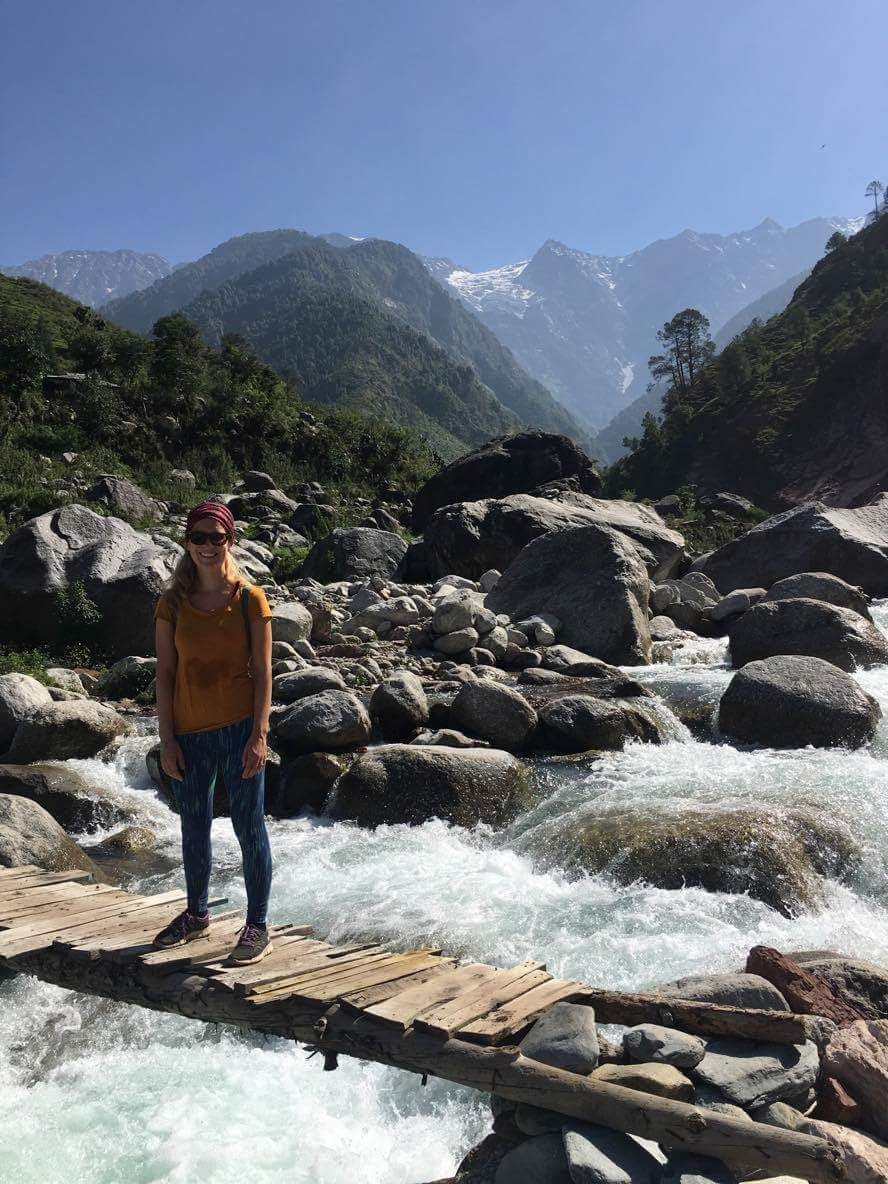
As an engineer, I have always been passionate about simple, novel technologies that have a positive impact on people's lives and on the environment. I decided to leave my job in Edinburgh, UK and come to India to start a project with EduCARE India in Himachal Pradesh. This was my biggest test, to see if i had what it takes to move into the International development sector. I wanted to be challenged and pushed far out of my comfort zone not only personally but as an engineer. Based in the rural village, Naddi, at the base of the himalayan mountains was about as far away from an office job as it gets!

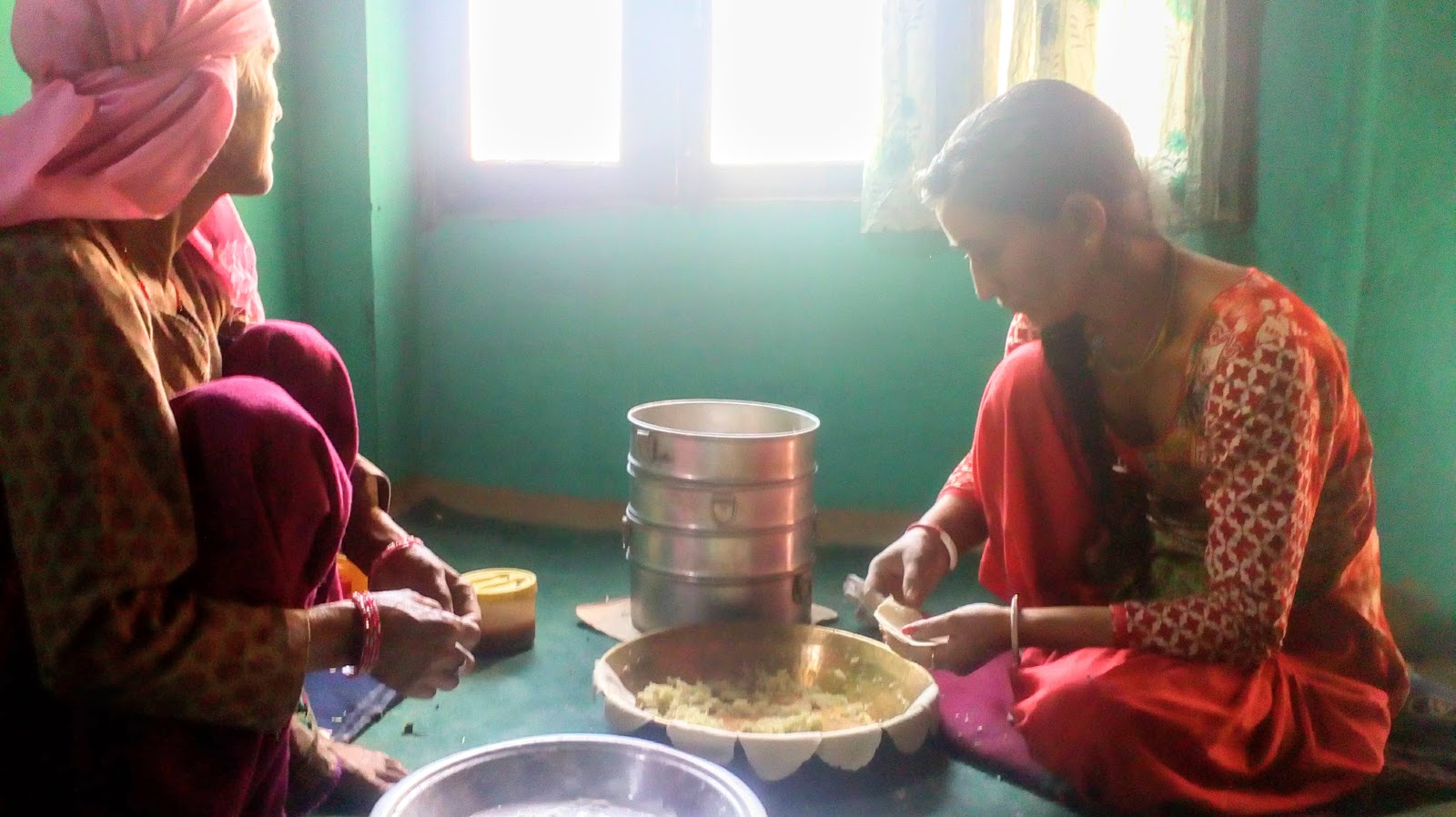
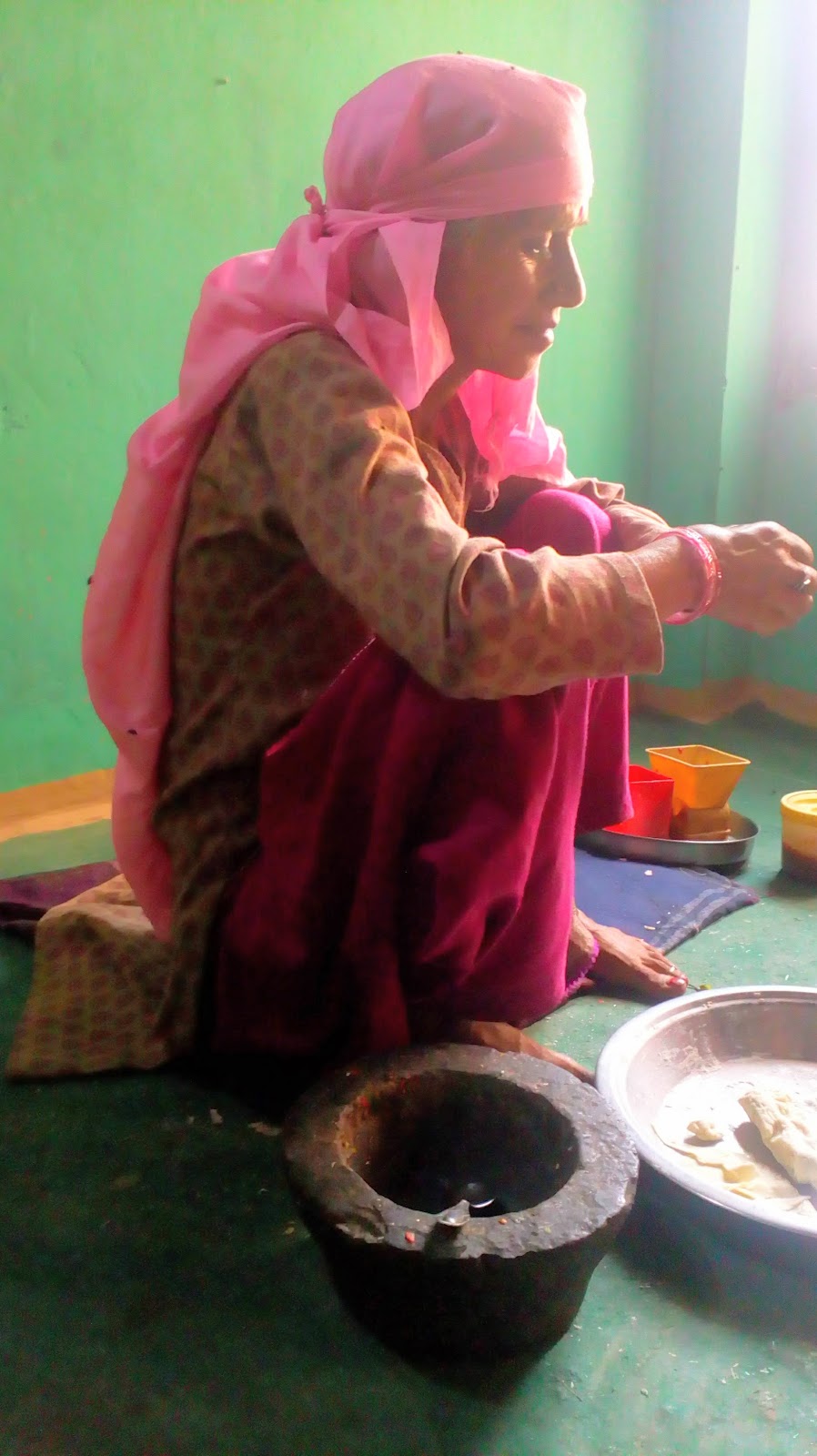
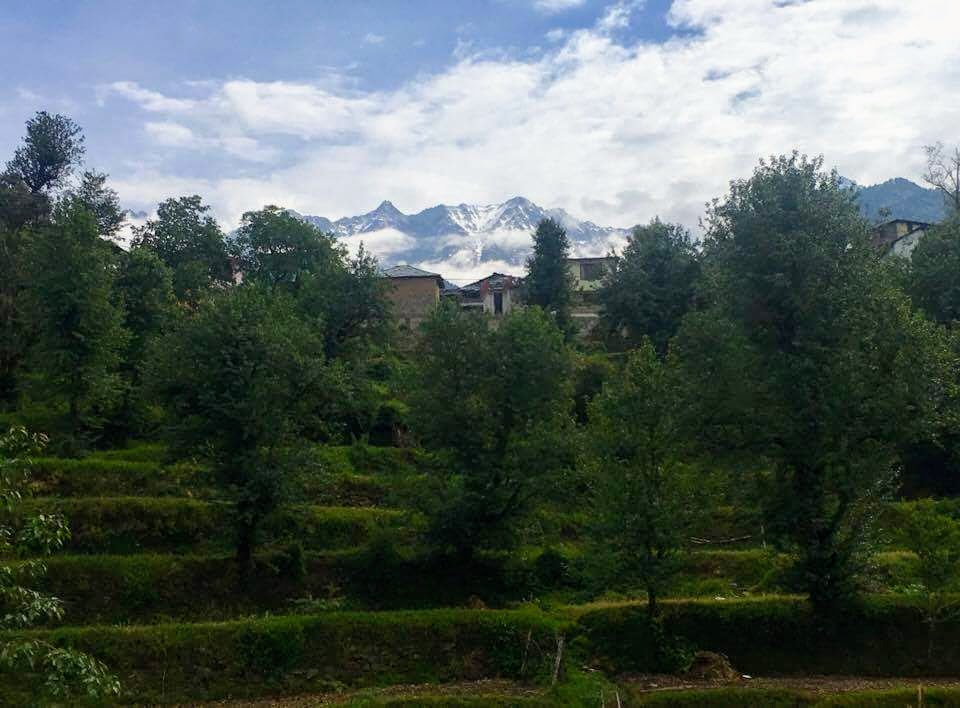
I came to India with an open mind and tried to have no preconceived notions of what I felt could be improved. My time spent living with my local host family, surrounded by views of the himalayas, was one of the best experiences of my life. This community-applied research not only helped me build my project but gave me the opportunity to see how the family lived and get to know them. I was amazed by the indian hospitality as they encouraged me to sit with them while they made momos to sell in their shop, drink chai together and humoured my extremely limited hindi.


IMG_20170605_081707.jpg
IMG_20170605_080922.jpg
received_10158776213005068.jpeg


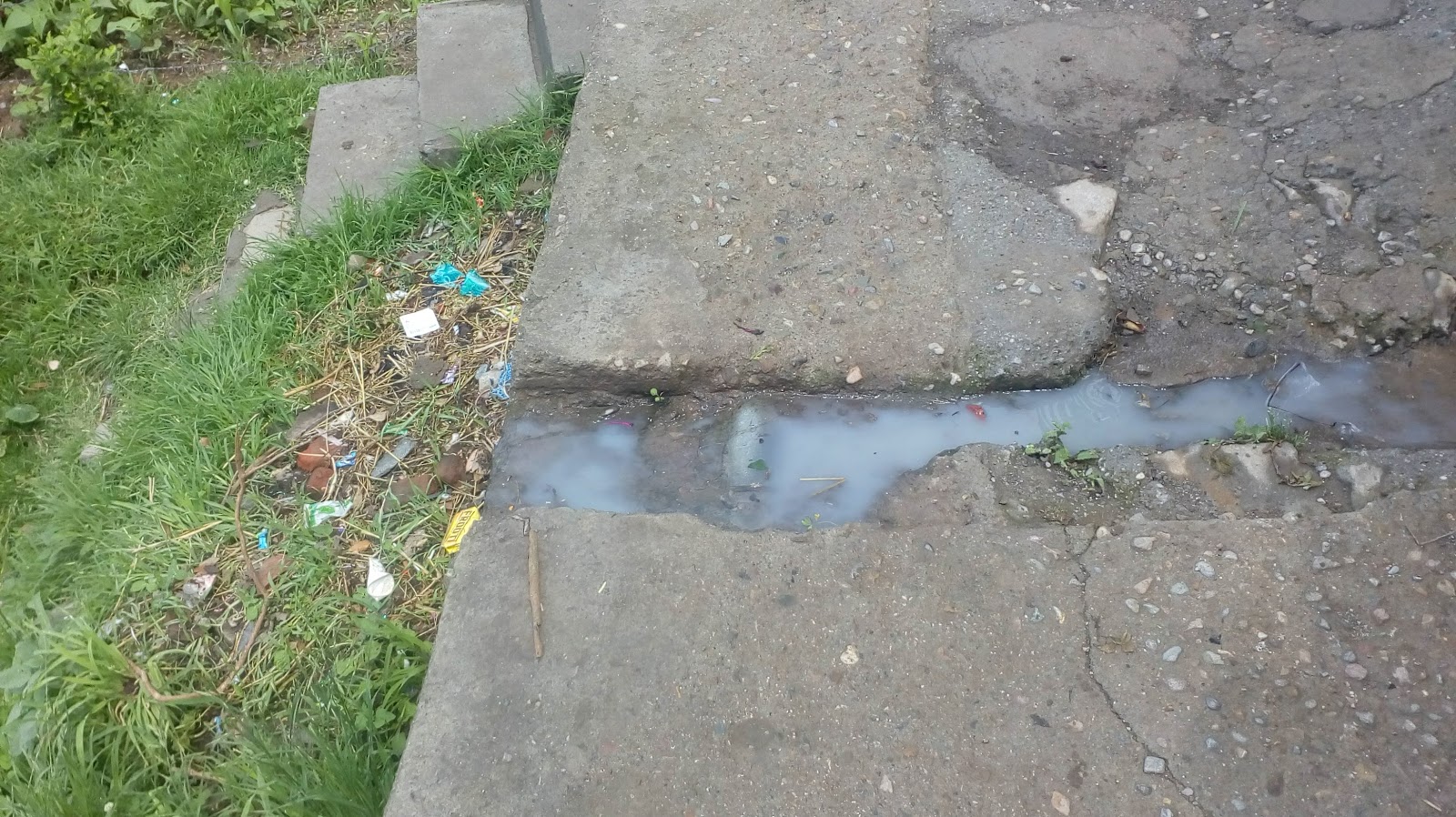
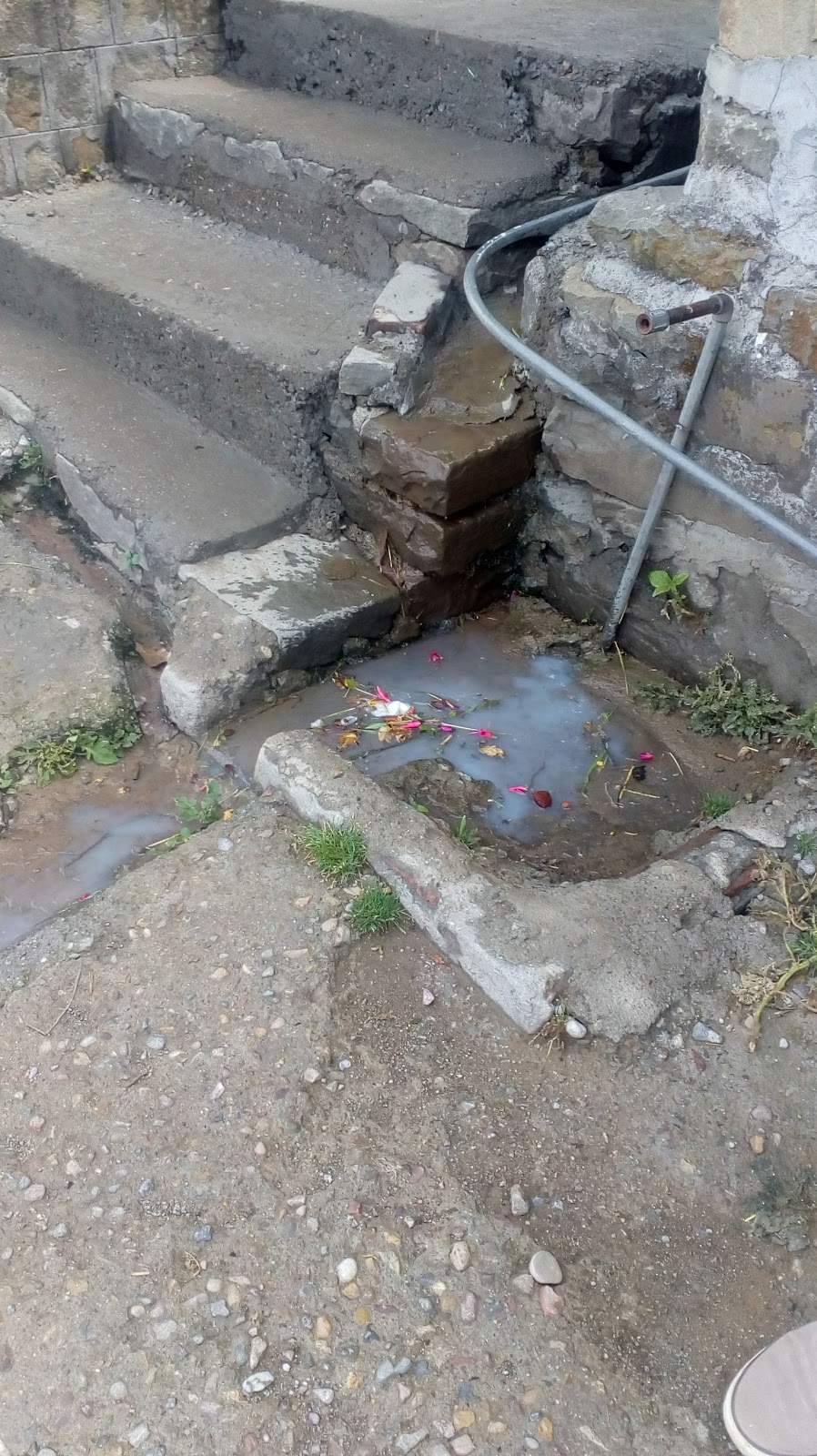
It was here that I started to formulate my project after witnessing the vast volumes of grey-water (wastewater from sinks, clothes washing and other hygiene purposes) that are discharged from homes in the village and leach into the environment, potentially contaminating food and drinking water sources.There is no collecting nor treatment system in place. Several taps are out in the open, without any sink to collect the water, and are used to do the laundry/hygiene purposes. Some other taps, in the bathrooms and kitchen, are linked to a pipe from which the water goes out directly in the environment.


IMG_20170618_103401.jpg


IMG_20170618_103358.jpg


Chemical contamination of water is a worldwide problem however, through research, I found that there are very few locally managed, sustainable, low cost household treatments available in rural and remote locations. While bacteria typically represent the most immediate health problems a variety of chemical contaminants such as pesticides, industrial waste and even household chemicals can impact the safety of water and on the environment. Long term chronic exposure to chemical contaminants can lead to cancer, kidney and liver issues and diseases of the reproductive systems. Therefore the development of effective, affordable  ‘green’ technologies for chemical contaminant removal in remote rural areas such as Naddi is important to me.

One of the biggest challenges in engineering development is ensuring local sustainability and creating a lasting impact long after the project is complete. Many development projects are formed with good intentions but are not always suitable for the community. My project is still in its very early stages but I am passionate about utilising a local waste residue and involving the community in  building a water treatment system that is sustainable. Through other development work in other countries I found out about biochar….


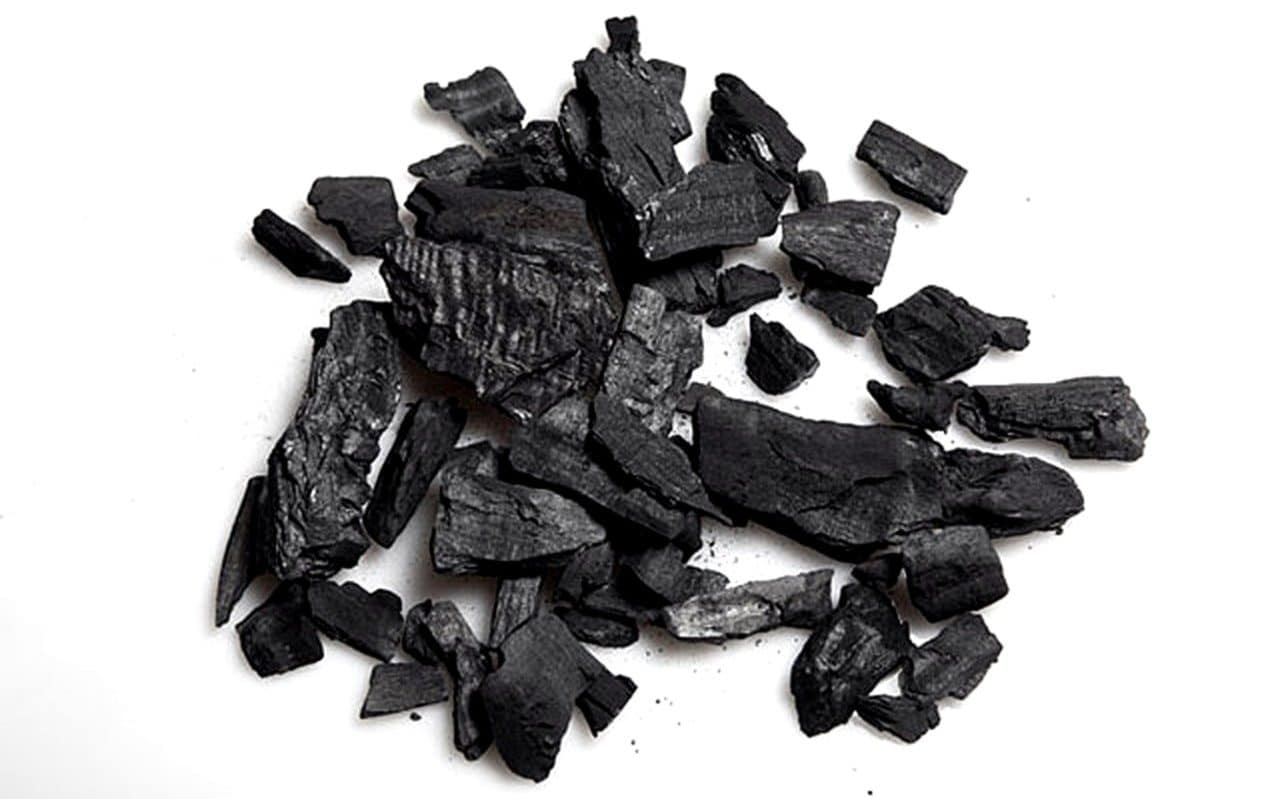
 Biochar is charcoal created from plant matter. For example, biochar can made from heating agricultural or forestry residue. Biochar filters work similarly to carbon filters which have been used for thousands of years as far back as the ancient egyptians. Can’t get much more ‘tried and tested’ than the ancient egyptians!. Local biochar is ideally made from agricultural and forestry residues and/ or sustainably harvested renewable woody biomasses whereas most commercially made carbon are made from non renewable coal. But what forestry residue could I use in Naddi, that was sustainable and easily available? In Himachal pradesh, pine needles are identified as major cause for forest fires, causing immense threat to environment, forest biodiversity and local economy. The needles that fall cover the ground in thick net and prohibit air to pass across, thereby, hindering the growth of grass on the ground. This phenomenon leaves no option for the local community other than setting the needles on fire; else it becomes almost impossible for them to feed their cattle. The needles, being highly flammable in nature, not only pollute the environment by burning themselves, but also take entire biodiversity into their gulp. I have only been in Naddi for a month yet i have witnessed one major forest fire.


IMG_20170623_153044.jpg


I am excited to see the development of this project and live in a country so different to my own. I know that working in rural India will have its challenges and frustrations but that is all part of the process. I hope to develop my skills as an engineer beyond the textbooks and excel spreadsheets!


It has not been all work….
IMG_20170618_172154.jpg

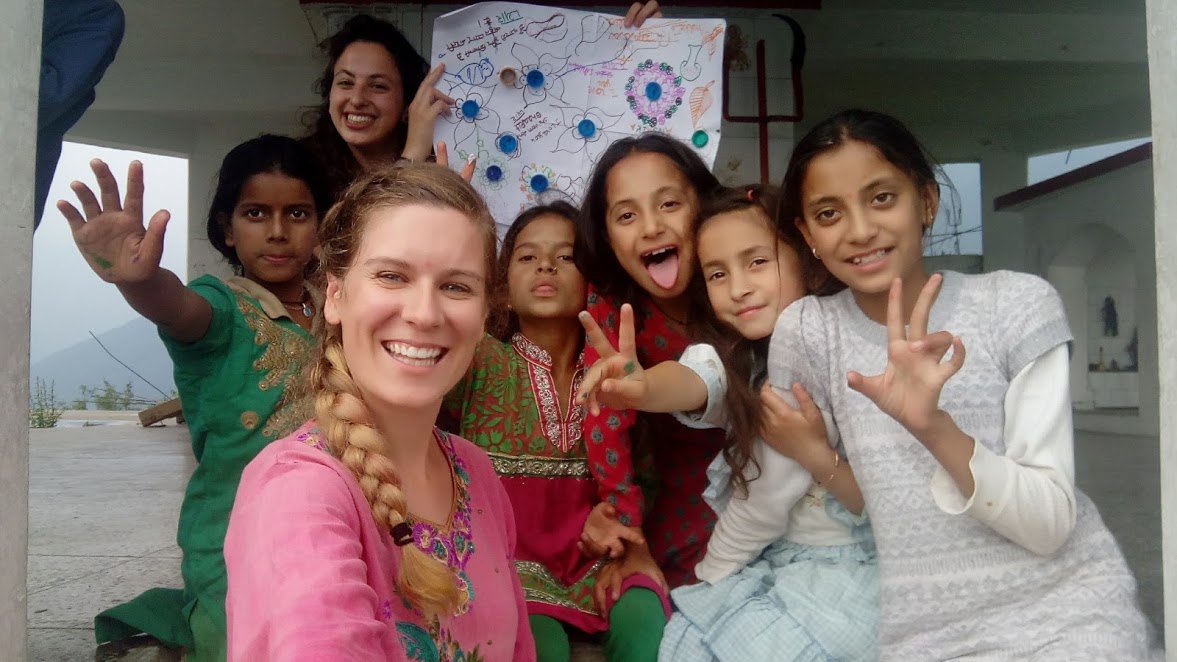
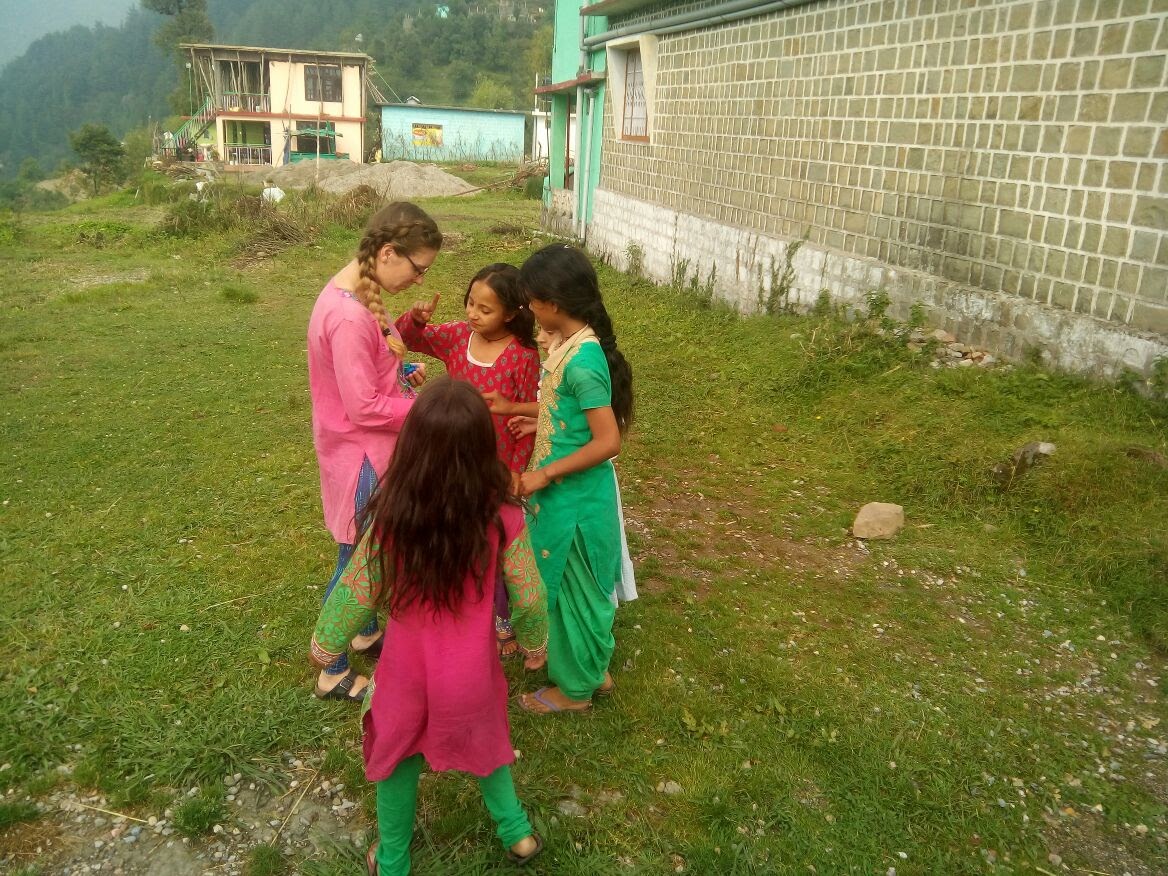
Life as an EduCARE India Intern has not been all work.  I am really enjoying working with the Naddi Girls Club and getting to know the girls in the community. Even though it is so hard to keep them focused, this excitable bunch of girls are always able to make me laugh. Introducing me to Hindi and Punjabi music and trying to teach me Hindi, then giggling when i get it so wrong! I can’t bare to part with their drawings and soon the intern house will be covered in their awesome artwork!  

IMG-20170618-WA0011.jpg

#artissubjective


I have found that team bonding in the intern house has been vital.
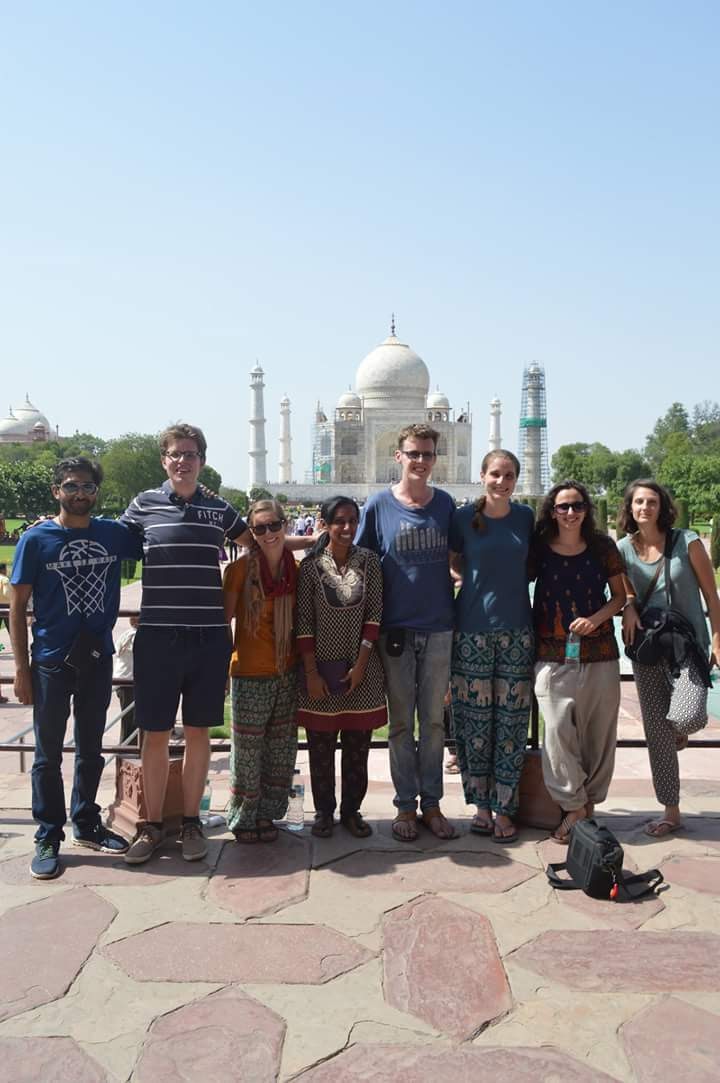
Especially since you all live and work together like a family. We managed to fit in a team round trip to Delhi and the Taj Mahal in a weekend (yes, that is a 500 miles by bus!). The rickety government overnight bus was an experience with 12 hours squashed, sweaty and feeling like a hair dryer is blowing on your face all night while the person next to you snoozes on your shoulder. You get to know your fellow interns pretty well after that experience. But seeing The Taj Mahal made it all worthwhile….


facebook_1498290191351.jpg


IMG-20170702-WA0000.jpg


Lauren Beck (UK)
Project Manager,
Water Sanitation (Gey-water)
and, Girls Club
Naddi, India
Aug 2017


Monday, 21 April 2014

Steps towards a sustainable future

Just a short walk away from the main square in the village of Naddi lives a small community that we refer to as the “Shanney community”. It consists of eight families, about 40 people and although they are only a short distance away from the main village they tend to live their daily lives somewhat removed from it. Like every person around the world they have basic needs and wants with regards to their health and sanitation but due to a lack of a sense of empowerment, education and finances they don’t have the sense of responsibility, the knowledge or the organisational skills to implement ideas that will help to give them a better standard of living.

This is where EduCARE India comes into play. An old Chinese proverb springs to mind that might best explain our intentions;

                              Give a man a fish and he will eat for a day, teach him how to fish and he will eat for the rest of his life.

We intend to teach the Shanney community “how to fish”. Our programmes involve sustainable community development that will help empower the community and teach them that they can take responsibility for their lives, health and environment. We want to show them that they are not entirely dependent on the state to organise infrastructure that pertains to their health, safety and sanitation.

On Saturday the twelfth of April 2014, we had an informal meeting led by Mr B (EduCARE India’s Chief Project Director) with seven of our project managers by his side and seventeen members of the Shanney community (each family was represented by at least one person) to discuss what measures we can take together to help them improve their quality of life. Representatives from different generations of life in Shanney were present and they all expressed their intent to continue living there long into the future. For them to stay there in good health habits need to change, education needs to be improved and infrastructural systems need to be developed.

Before we revealed our own agenda with regards to areas that we think they need help with, we wanted to know what issues they felt needed addressing and what it is that they thought they as a community could do to make improvements. One by one they were asked the same question and they all replied with the same answer. That solid waste is a major issue, plastics and paper litter the surrounding area and the only infrastructure that they have is a few bins for paper and plastics which EduCARE had previously placed in their community and have been collecting. Initially these bins raised awareness to the practise of separating waste, but now they are ready for an upgrade.

They all suggested and agreed that they are responsible to do a mass clean up of the surrounding area which we have volunteered to organise for them on the first day of the following month. From this idea a new community based initiative was developed. On the first day of each new month we shall organise a community based activity that directly addresses important issues that the people in Shanney face.

Unfortunately, perhaps due to the fact that waste which litters the valley is so obvious to the eye; this was the only issue that the meetings participants were comfortable enough to mention. This demonstrates either a lack of awareness to the conditions that affect their lives or a lack of confidence to speak up about problems that are not so evident. Either way, it is clear to see that we have a lot of work in front of us.

Following up on the community’s primary concern, is the first item on our agenda; solid waste management. A newly developed solid waste management system has been implemented in the EduCARE staff houses. Although it is not a perfect solution to the waste management problems that people face in rural India, it has been designed in such a way that the foundations of the system should be relatively easy to replicate within the community. Waste can be separated into 4 main categories then brought by volunteering member of the community to our waste storage facility where it is collected and repurposed or sent away for recycling. For example; soft plastics can collected for making Ubuntu-blox (google this if you don’t know this simple but ingenious way of dealing with the plastics problem in the developing world); plastic water bottles are being collected to make a greenhouse; paper can be recycled by the community or turned into burnable briquettes producing energy and lowering the dependency on gas; fabrics can be reused to make clothing for the ReStore (ReStore is an empowerment program which we run where local women make clothes and crafts that they sell in a shop which EduCARE runs)...

These solid waste management initiatives are for us to teach the people from Shanney how to implement and operate, not for us to do everything for them. We help with the initial development of a system, but eventually they will take over. We want them to learn that they control their surrounding environment and that the less waste that they produce the better and that whatever waste is produced can become a useful resource. Very little “rubbish” is actually dirty!

Next up on our agenda is their water supply. Poor infrastructural development has left many leaks along the waters’ pipelines as well as the rampant dumping of waste around the water sources and the leaks have left the water contaminated. Although we are not exactly sure to what extent it is affected, we are certain that water-borne parasites are prevalent, causing many illnesses in the area. A laboratory is being set up for the purpose of testing the water, but this will take some time. In the interim, other solutions must be found. A simple provision would be to boil the water before drinking it and using a water filter, the hard part is getting people into the habit of using these precautions and for them to truly understand why it is they are taking them.

The third issue we addressed is our initiative to raise awareness on health issues. Little education is given with respect to health related practises which we in the developed world take for granted. For example; drinking dirty water or having an indoor fireplace with no ventilation. To counteract this void in learning, we are developing a health centre where the community can learn about the factors that affect their basic health such as; good / bad nutritional practises, basic first aid, causes of respiratory problems, causes of illness such as dirty water, sanitation and hygiene...


There are no local doctors in Naddi and only when someone is very ill do they undertake the forty minute journey down the mountain to the hospital. We hope to be able to arrange having a doctor come to our soon to be developed health centre once a week; to provide basic medical care for relatively easily treated illnesses, which if left ignored might become dangerous.

We then moved on to discuss “the clay oven project”. The houses in the community have open fires in the kitchen, but they do not have any form of chimney to ventilate the smoke. All of EduCARE's staff spend their initial two week induction period staying with certain families in the community which take part in our “homestay” project (similar to a guest house). One of the negative aspects that is always mentioned by the new interns is the problem with smoke inhalation caused by the open fire in the kitchen. We notice this immediately but the families either aren’t aware of the hazard to their health or feel like there is nothing they can do about it. They have learned to live a certain way and for them it is ok, but they seem oblivious to the massively detrimental effects this is having on their health. To combat this, a model for a very cheaply made clay oven and chimney has been developed. Our hope is to eventually have one of these in every house, but it is up to the potential recipients of the oven to help us make them.

There are no ovens in Naddi, hence there is no bakery. The clay oven project also provides an opportunity for business, whereby fresh baked goods can be sold in the Restore shop providing a supplement to a household’s income and fresh bread to a village (this will please many who work at EduCARE).

As an eco-friendly organisation, trees were always going to be mentioned in our meeting. Deforestation is one of the biggest problems that the earth faces. Many of us know that the main effects of this are reductions of global oxygen production and massive losses in wildlife habitats culminating in mass extinctions of species.

These effects are also prominent in Naddi, but there is another pressing issue that the people of Shanney face. The community is built on the steep valley leading down to the river where they experience large snowfalls in the winter and heavy monsoon rains in the summer. The stability of the soil that rests above them is in jeopardy because there are no more trees to keep it in place. The possibility of a landslide will someday become very real. These missing trees should also act as natural groundwater filtering system for the water that flows down to the river which feeds the villages below us. Instead it flows through dumped solid waste, contaminating the water source that supplies neighbouring villages.

We already have projects underway in which we are working with the community and have created a tree nursery. Many of the trees have been planted by the children of Shanney and the life giving favour will eventually be returned when the trees bear fruit for them and their new children whilst keeping the soil above their houses intact.

These ideas are not quick and easy solutions to immediate problems. They require time, patience, persistence and optimism. We want to change the way that people view the world, their place in it and the control they have over it. It is our hope that we can learn from these projects and eventually develop replicable solutions to common but important problems that people face across rural India. When the meeting in Shanney finishes, without anyone mentioning these last points on what it will take to achieve our goals, it feels as if the people of the community understand the problems that lie ahead of them and that they are looking forward to engaging with us as much as we are with them.

Alex Moran, Ireland
SWASH Project Manager
Naddi (Himachal Pradesh)