Showing posts with label Environment. Show all posts

Monday, 26 October 2020

COVID-19 Response and Expansion of Medical and Healthcare Outreach initiatives


EduCARE India has been providing volunteer support services to local Red Cross and a charity hospital during COVID-19 pandemic response in capacity building and strategic initiatives, including infrastructural development, community kitchen, new strategic initiatives, training and development,  community disaster education, and emergency first aid.

EduCARE India volunteers and international students in internship, namely Freja from Denmark and Julia from Netherlands had initiated a "Kangra Fights Corona" initiative in the initial weeks of the lockdown in March and April 2020 while working at our Centre for Environment, Health and Safety set up in partnership with local Red Cross, Disaster Management Authority, and Maple Leaf Hospital. This initiative aimed to spread message of community mobilisation for support to vulnerable individuals and families and spreading positivity and hope during the initial days of panic and chaos of coronavirus/covid-19 pandemic response.

Later this initiative was merged into another initiative - SEHAT SEVA (Social-care Empowerment, Health Advocacy and Telemedicine through Social Entrepreneurship and Volunteer Action) that EduCARE India had started working on to deliver public health and medical outreach services to needy and elders at home during the lockdowns with support of our various stakeholders - Red Cross, Emergency Operations Centre, Block Medical Office, and Maple Leaf Hospital.

A "Red Cross Psycho-social Support Centre" was also established to help the stuck up international and national tourists and the migrants in distress.

A residential "De-addiction and Rehabilitation Centre" was re-started to meet the rising needs of the patients.

A Community Kitchen was started in support of the visiting patients, and launched an online charity heritage auction to help the charity hospital raise funds.

Awareness visits were facilitated for frontline health-workers and Corona warriors.

Some of the disused hospital facilities were refurbished to prepare for possible rising emergency admissions at the hospital medical facilities.

Engaged and facilitated several national and overseas international students and young professionals for online volunteer work and internships in support of ongoing work and their academic fieldwork certificate and experiential learning needs.

Organised several workshops, seminars and workshops in support of some of the causes and sustainable development goals.

Launched setting up of a "Regional Centre for Geriatrics and Elderly Care" on the International Day for Older Persons, and committed 10% seed funding / social investment from EduCARE India and its affiliates to this cause.

Committed to set up about 1000+ SEHAT SEVA Centres / SEHAT SEVA Centres for the need of rural population in emergency times and for home health aide of the needy and elderly and in recovery patients in the normal times,


Wednesday, 30 August 2017

Paani - Every Drop Counts (Lauren's Water Sanitation project with EduCARE India)


received_10158792989775068.jpeg
Paani - Every Drop Counts 

Water Sanitation project with EduCARE INDIA 

Lauren
“Become friends with people who are not the same age as you.
Hang out with people whose first language is not the same as yours.
Get to know someone who does not come from the same social class as you.
This is how you see the world.
This is how you grow”

As an engineer, I have always been passionate about simple, novel technologies that have a positive impact on people's lives and on the environment. I decided to leave my job in Edinburgh, UK and come to India to start a project with EduCARE India in Himachal Pradesh. This was my biggest test, to see if i had what it takes to move into the International development sector. I wanted to be challenged and pushed far out of my comfort zone not only personally but as an engineer. Based in the rural village, Naddi, at the base of the himalayan mountains was about as far away from an office job as it gets!

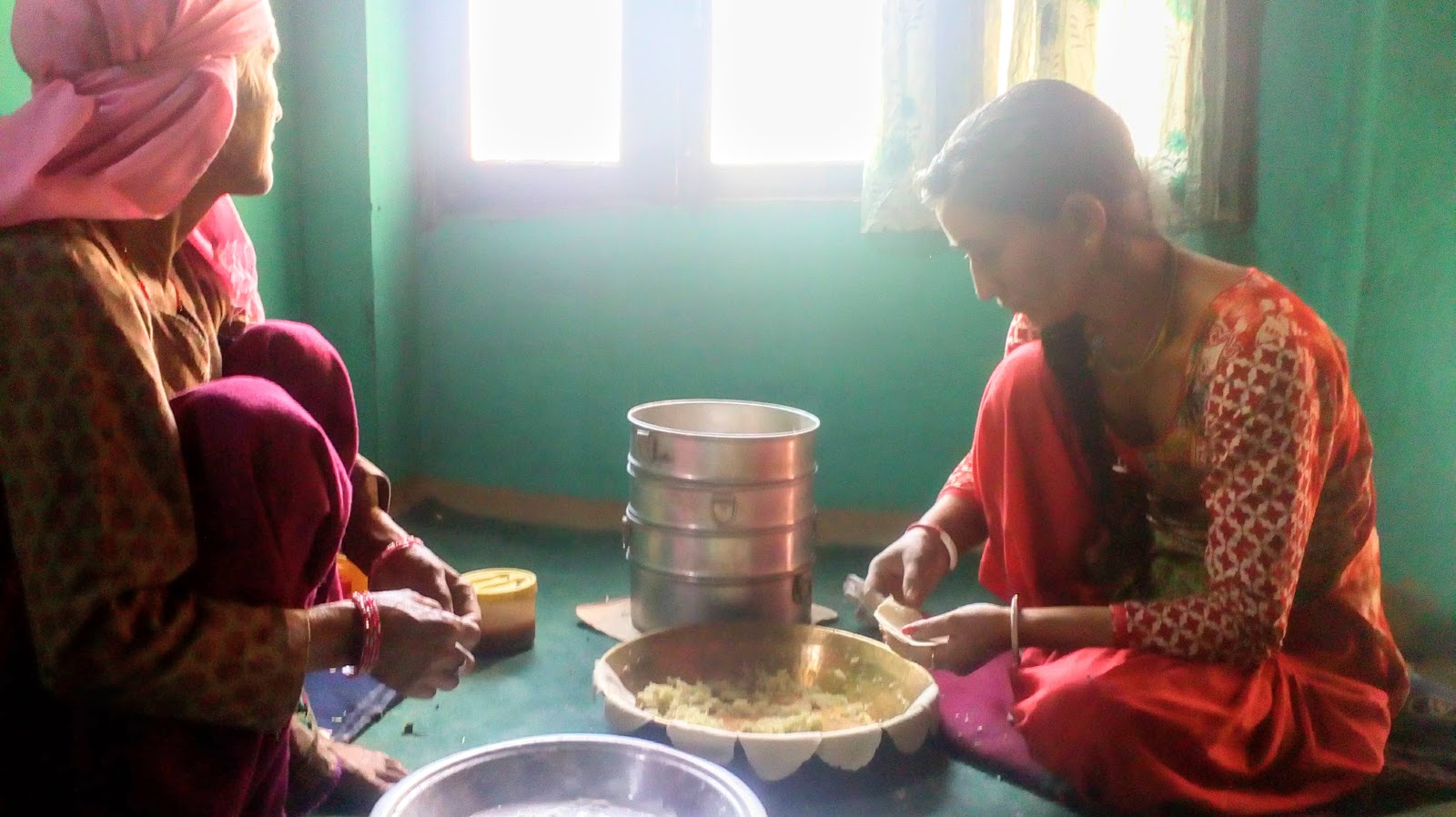
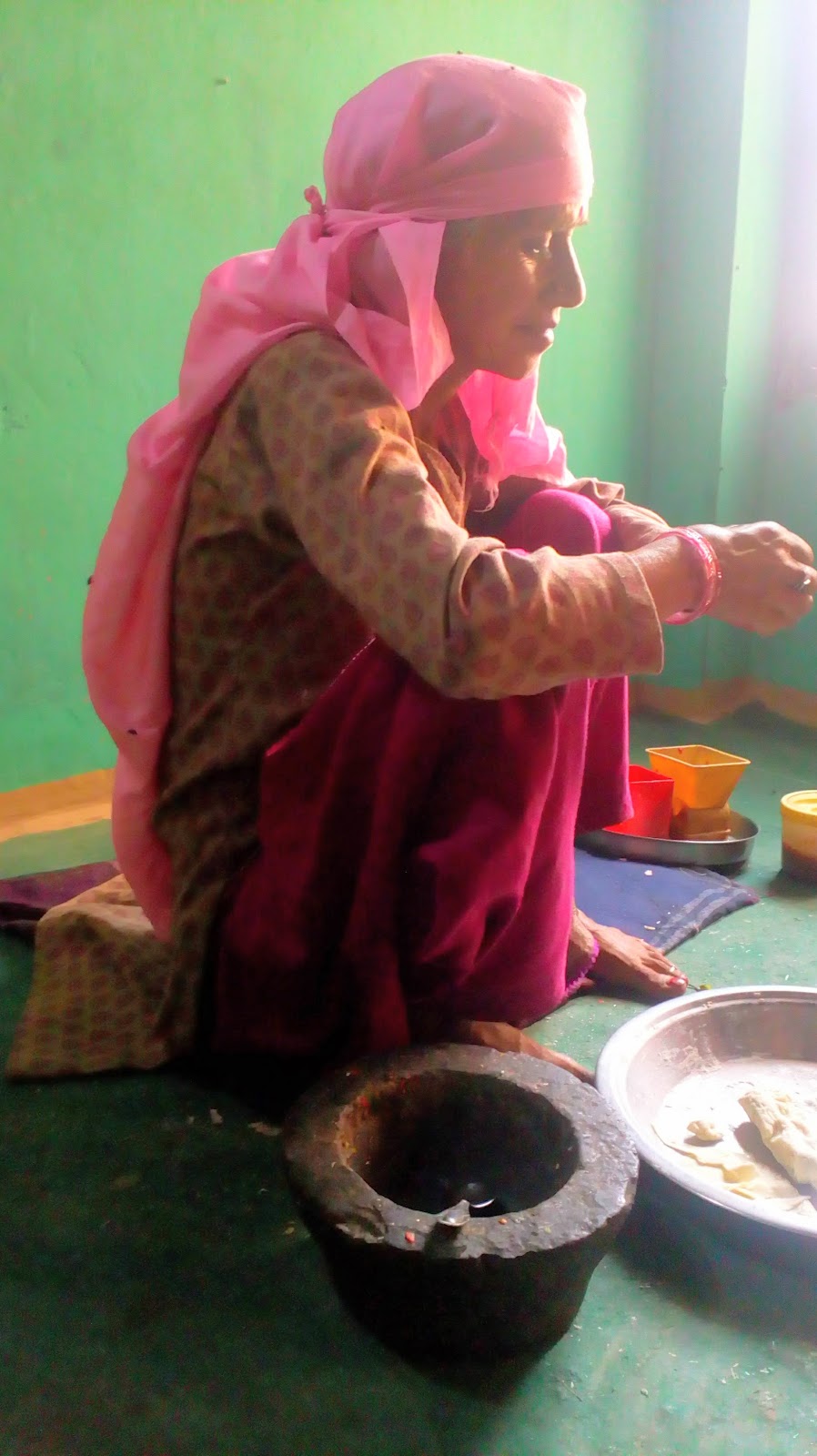
I came to India with an open mind and tried to have no preconceived notions of what I felt could be improved. My time spent living with my local host family, surrounded by views of the himalayas, was one of the best experiences of my life. This community-applied research not only helped me build my project but gave me the opportunity to see how the family lived and get to know them. I was amazed by the indian hospitality as they encouraged me to sit with them while they made momos to sell in their shop, drink chai together and humoured my extremely limited hindi.


IMG_20170605_081707.jpg
IMG_20170605_080922.jpg
received_10158776213005068.jpeg


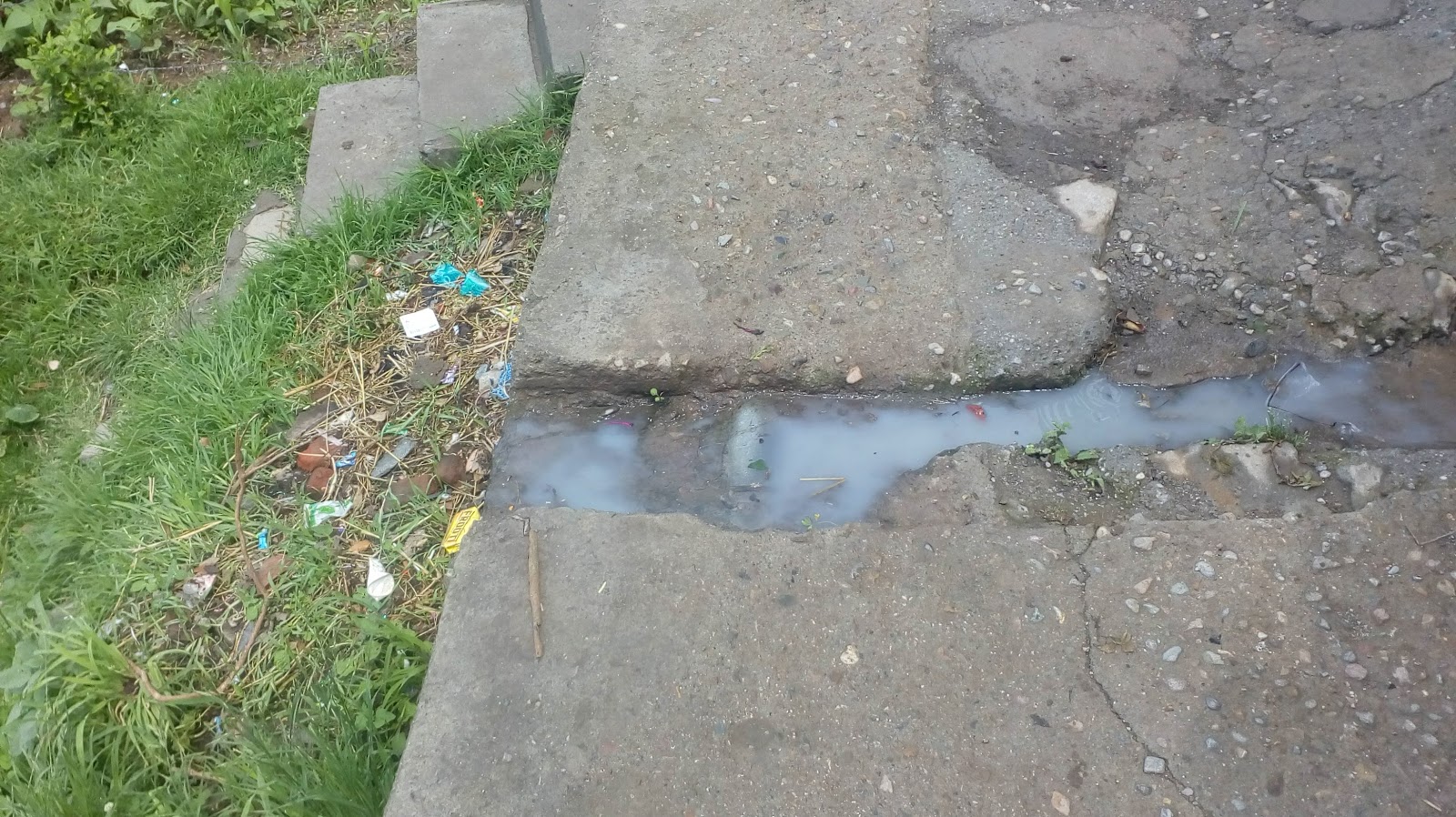
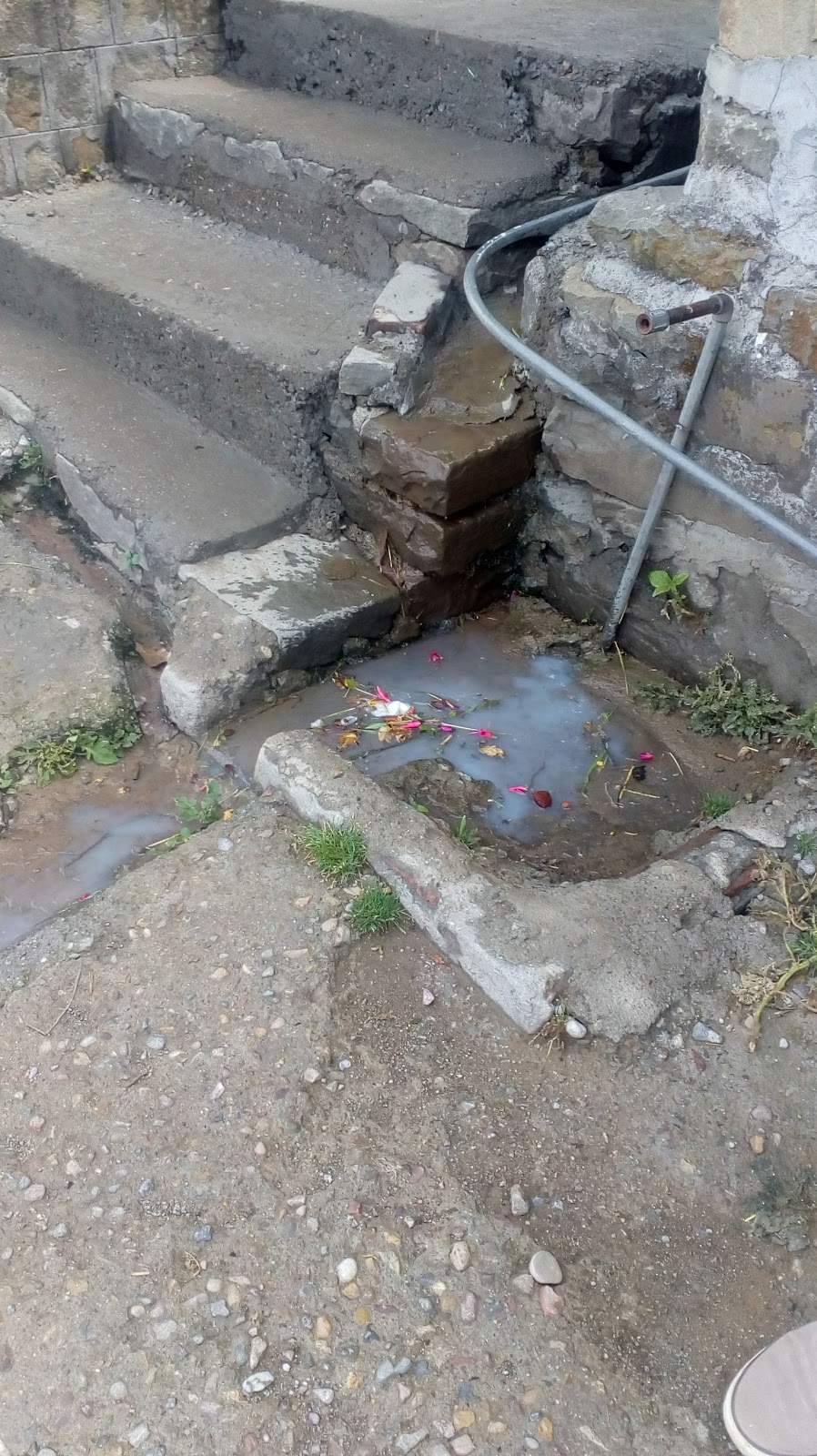
It was here that I started to formulate my project after witnessing the vast volumes of grey-water (wastewater from sinks, clothes washing and other hygiene purposes) that are discharged from homes in the village and leach into the environment, potentially contaminating food and drinking water sources.There is no collecting nor treatment system in place. Several taps are out in the open, without any sink to collect the water, and are used to do the laundry/hygiene purposes. Some other taps, in the bathrooms and kitchen, are linked to a pipe from which the water goes out directly in the environment.


IMG_20170618_103401.jpg


IMG_20170618_103358.jpg


Chemical contamination of water is a worldwide problem however, through research, I found that there are very few locally managed, sustainable, low cost household treatments available in rural and remote locations. While bacteria typically represent the most immediate health problems a variety of chemical contaminants such as pesticides, industrial waste and even household chemicals can impact the safety of water and on the environment. Long term chronic exposure to chemical contaminants can lead to cancer, kidney and liver issues and diseases of the reproductive systems. Therefore the development of effective, affordable  ‘green’ technologies for chemical contaminant removal in remote rural areas such as Naddi is important to me.

One of the biggest challenges in engineering development is ensuring local sustainability and creating a lasting impact long after the project is complete. Many development projects are formed with good intentions but are not always suitable for the community. My project is still in its very early stages but I am passionate about utilising a local waste residue and involving the community in  building a water treatment system that is sustainable. Through other development work in other countries I found out about biochar….


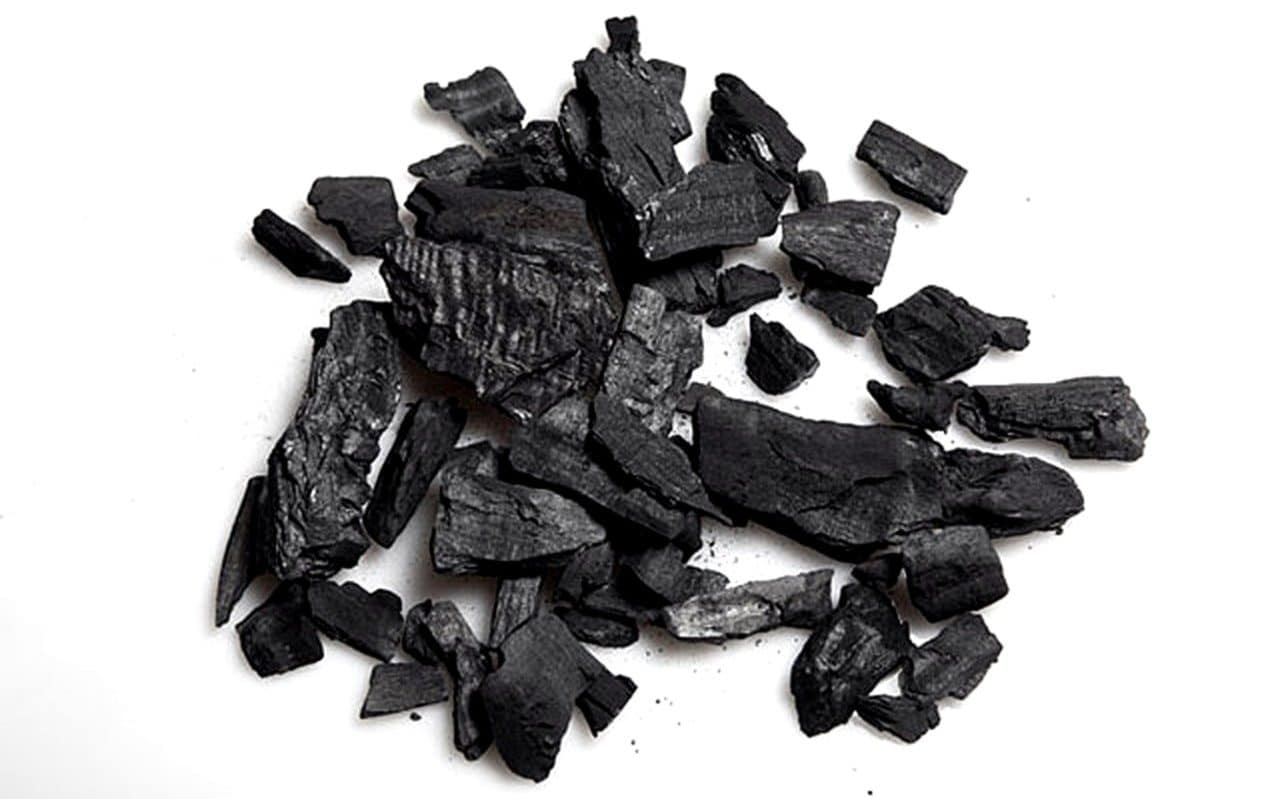
 Biochar is charcoal created from plant matter. For example, biochar can made from heating agricultural or forestry residue. Biochar filters work similarly to carbon filters which have been used for thousands of years as far back as the ancient egyptians. Can’t get much more ‘tried and tested’ than the ancient egyptians!. Local biochar is ideally made from agricultural and forestry residues and/ or sustainably harvested renewable woody biomasses whereas most commercially made carbon are made from non renewable coal. But what forestry residue could I use in Naddi, that was sustainable and easily available? In Himachal pradesh, pine needles are identified as major cause for forest fires, causing immense threat to environment, forest biodiversity and local economy. The needles that fall cover the ground in thick net and prohibit air to pass across, thereby, hindering the growth of grass on the ground. This phenomenon leaves no option for the local community other than setting the needles on fire; else it becomes almost impossible for them to feed their cattle. The needles, being highly flammable in nature, not only pollute the environment by burning themselves, but also take entire biodiversity into their gulp. I have only been in Naddi for a month yet i have witnessed one major forest fire.


IMG_20170623_153044.jpg


I am excited to see the development of this project and live in a country so different to my own. I know that working in rural India will have its challenges and frustrations but that is all part of the process. I hope to develop my skills as an engineer beyond the textbooks and excel spreadsheets!


It has not been all work….
IMG_20170618_172154.jpg

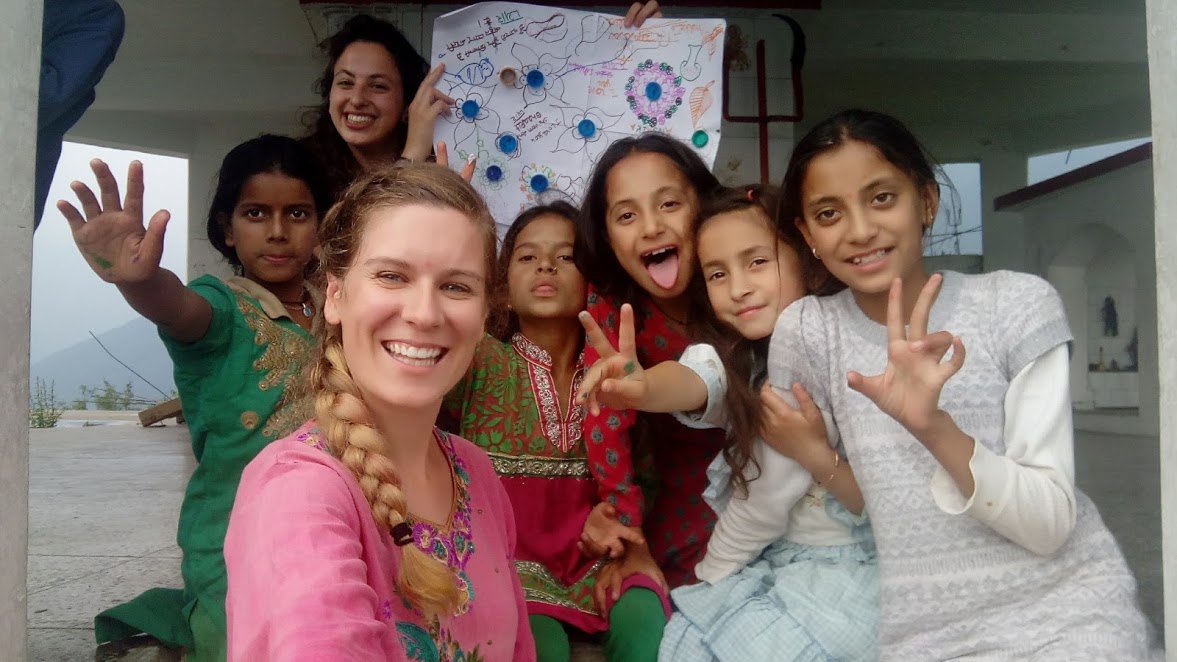
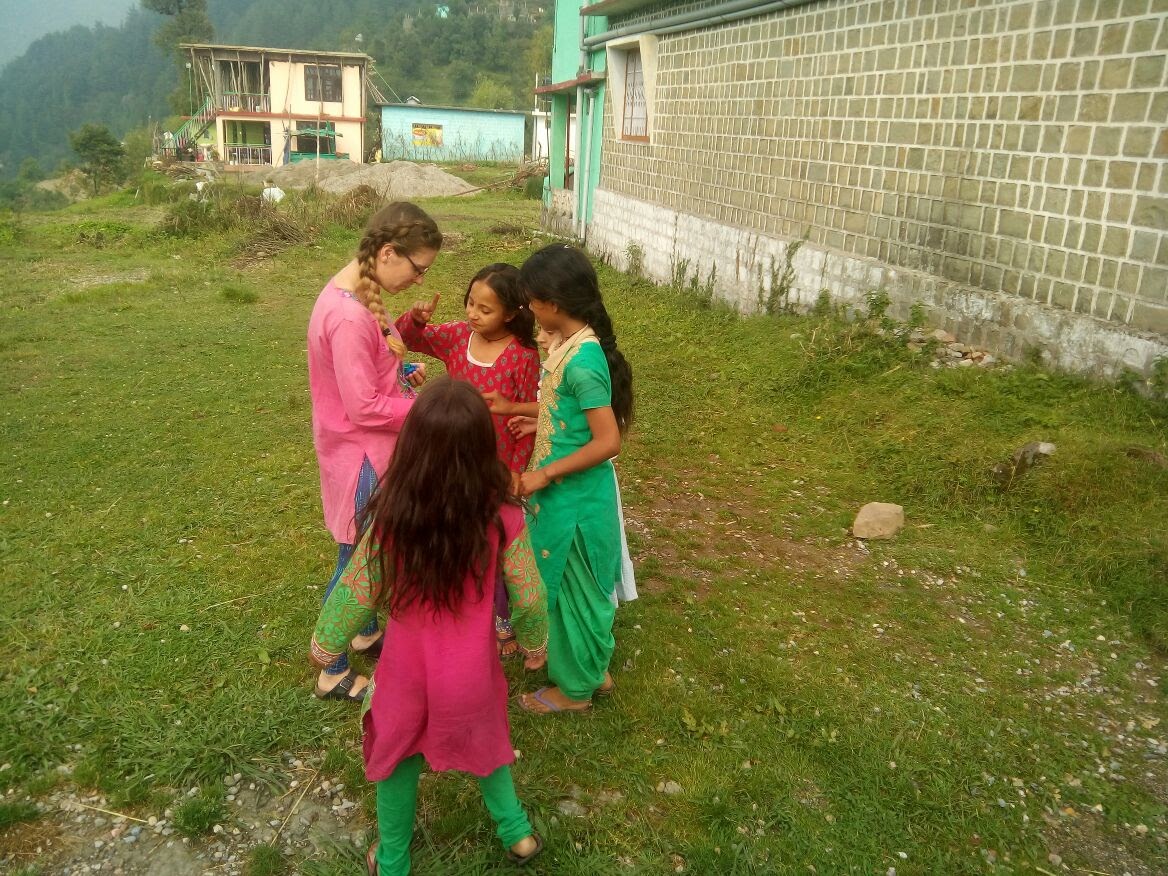
Life as an EduCARE India Intern has not been all work.  I am really enjoying working with the Naddi Girls Club and getting to know the girls in the community. Even though it is so hard to keep them focused, this excitable bunch of girls are always able to make me laugh. Introducing me to Hindi and Punjabi music and trying to teach me Hindi, then giggling when i get it so wrong! I can’t bare to part with their drawings and soon the intern house will be covered in their awesome artwork!  

IMG-20170618-WA0011.jpg

#artissubjective


I have found that team bonding in the intern house has been vital.
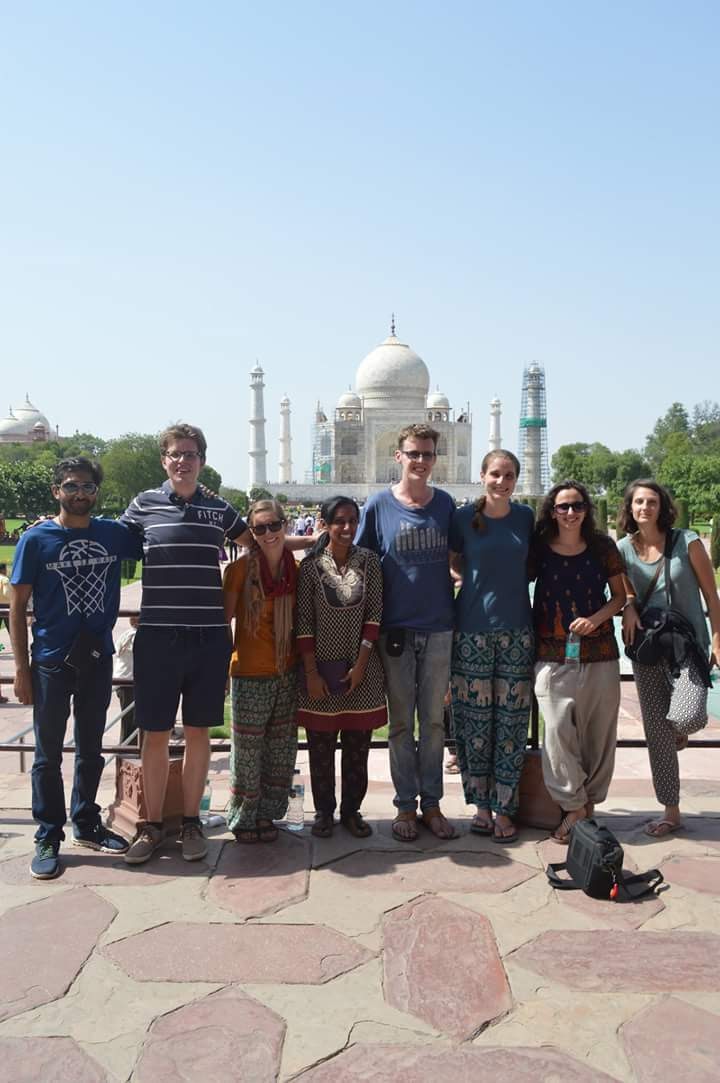
Especially since you all live and work together like a family. We managed to fit in a team round trip to Delhi and the Taj Mahal in a weekend (yes, that is a 500 miles by bus!). The rickety government overnight bus was an experience with 12 hours squashed, sweaty and feeling like a hair dryer is blowing on your face all night while the person next to you snoozes on your shoulder. You get to know your fellow interns pretty well after that experience. But seeing The Taj Mahal made it all worthwhile….


facebook_1498290191351.jpg


IMG-20170702-WA0000.jpg


Lauren Beck (UK)
Project Manager,
Water Sanitation (Gey-water)
and, Girls Club
Naddi, India
Aug 2017


Saturday, 21 May 2016

Discovering India on the road

A little more than three months have passed since my arrival in India and I feel a bit more entitled to give a personal impression about this country. Unlike other visitors who may come here only with the purpose of travelling, coming to India to work means that in order to explore a bit of this vast country, there’s a lot of travelling to do in short periods of time. It’s like we live two kinds of lives: a relatively (sometimes very relatively) peaceful lives in our villages and motion-based and frenzy lives during the weekends we choose to travel. Popular destinations are in average 8-10 h of comfortable and relaxing government bus away from Harike. So, much of the knowledge I gathered about India has come on the road, a kind of window-based discovery.

First thing I believe anyone notices is the crazy driving on the roads. On the CIEEL induction course we were shown this really cool TED talk where it is argued that roads are more organized than it seems, that practically everybody and everything is allowed because spaces and boundaries are negotiated on site and at the moment. By living here, I understood how these boundaries are actually negotiated: through honking real hard and imposing your will over the others’ in a survival of the fittest style. Except for the Cow, of course. It’s unreal to see how Indian drivers slow down and stop to let the Cow cross the highway from one lane to another. Even the honking stops as if the drivers were showing their respect and bowing to it.


If you negotiate hard enough you might even be able to travel on the rooftop of a bus.

Second thing that I noticed is the amount of developmental constructions that are in place – as you would expect from a rapidly developing economy – but how every project seems at times paralyzed for a long time or just directly abandoned. There are countless buildings and roads half-built and no one seems to be working on them. Just like in many of our projects, it seems like there is a lot of excitement when the idea and the design is presented and everybody shows a lot of initial support but the hard part is to keep engagement and consistency. It’s awkwardly funny and a bit scary to see that not even the Government can materialize its projects efficiently. 

The other major thing that one notices is the crazy amount of waste that accumulates everywhere, specially concentrated in rivers, canals and open dump sites.That’s really not a cool sight.Perhaps because of my SWASH-focused thinking, I can’t avoid to see the environmental issue as one of the major problems in the development path of this country. It seems that India is following the same way as the West: economic development at the expense of the environment. Certainly directing the effort in improving social equity and infrastructure is an investment for the future and a real need of this country. However, a complete disregard for their environmental resources is putting a long-term mortgage on the society too and it should be acknowledged.

A typical open dump site in India.

Finally, one of the activities I enjoy doing to amuse these long hours of travel is looking out the window for titles and names of stuff. Indian people have a remarkable entrepreneurial spirit and a determined marketing attitude: ‘the best of (insert location), my friend!’. However, they are extremely bad at achieving orthographic rigorousness regarding company names or food menus. We’ve seen funny spelling mistakes such as “barger”, “braquette”, “crossiant” and many more. Sometimes it’s so shocking that I can’t help believing that they are doing it on purpose to give us customers a good laugh. 

Anyway, India might not be the most organized, constant and attentive to detail country but I think that most of us Westerners who visit would agree that it has a lot to teach to “our” world. It all depends on how you want to see things; what could be seen as a lack of boundaries/organization can also be seen as tolerance and freedom for example, and the lack of attention to details could also be seen as a sign of a more essentialist and less superficial approach to things. What I don’t find any “softer” or positive side to is to the environmental mess. It is always the same reaction when I see it no matter what mood I’m in. In fact, despite all the honking and the long hours spent on a bus, I find that travelling is a good remedy for helping me recover energy and motivation and to push harder my project back in Harike.

Pau Vallvé - Spain
SWASH Project Coordinator/ Project Manager in Harike

Monday, 27 July 2015

Organic Farming Field Trip


Cow dung and organic waste. Not usually on your list of favorite things, but they are considered hot commodities in the organic farming world. They are treasures for composting as I learned on my visit to Palumpur University’s Department of Agriculture. Together with the newly formed Educare organic farming team and Mr.B, we took a field trip for some organic learning and some inspiration.

Palumpur, located two hours by bus from Dharamsala is beautifully located between tea plantations. The organic farming section of the agriculture department is spread out over 38 acres. When I first arrived, the professor was explaining the various types of vermicompost we can try starting as part of our organic farming/kitchen garden projects. The speedy process takes around 6 months, with the average length of time taking 12 months, composting, I realized, is a commitment. We learned about 10 different ways to compost as well as ways to create organic and nutrient filled pesticides. A main ingredient in creating a great compost or organic pesticide is cow dung, and luckily, I don’t see India running out of it anytime soon.

Visit to Palumpur University’s Department of Agriculture
Visit to the Palumpur University's Department of Agriculture


We walked around the campus admiring the greenhouses filled with ceiling high beanstalks and tomatoes, the lush rice paddies and vegetable plantations. Awed by the vibrant color of green beanstalks, I decided then and there I wanted to plant beans in my garden in Maiti! Fortunately, we purchased two types of hybrid beans from the university that day.

Bamboo fences, benches and shelving were also another source of natural inspiration I took in at the university. There was an entire house made of bamboo complete with tables and chairs inside that the department uses occasionally for trainings. The bamboo creations were beautiful as well as sturdy. I carefully took pictures of how the bamboo fence and bench were built, so I can hopefully mimic the construction after the monsoon.

Maybe I am being overly optimistic in my venture into organic farming (as it is my second side project), but the Palumpur visit was inspiring and motivating nonetheless. And now to start planting my seeds!

Michelle Fujisaki - USA
HR Coordinator

Sunday, 28 June 2015

Water: a major concern in Punjab

To describe life in Punjab some subjects are inevitable. The heat, the Punjabi music in the buses, the food … And so is the water.

Indeed water shortages in households are common and so are diseases or health problems that can be easily related to water (stomach pain, diarrhea, etc). Since March, the two of us work on water sanitation in rural Punjab in the Hoshiarpur district. We focused on the water supply and the drinking water quality as well as on a rain-water harvesting system for the Janauri intern house. Our project was divided in several parts, online researches, on the field research, a survey in our work communities, and an educational part. We wanted here to share our experiment regarding the survey. Indeed, we had to find ways to communicate and do our survey in Hindi/Punjabi because only a small number of the 23 participants spoke English. As many of you know, Hindi is a very different language than French or English. With internet we were able to translate the main words we needed to be understood. We believe that the success of our survey lies in the fact that we had a real connection, a very good relationship with the people we were interviewing (as many kids as adults, as many women men). They were happy to help us and very excited to participate which was motivating and comforting when the language barrier started being an issue. What we learned during this survey is that there is a strong link between the type of water you get access to (tap water, boiled water or filtered water) and the health symptoms you can present (stomach pain, diarrhea). We are also conscious about the limitations of our work. Indeed it would have been statistically better if we could have had more participants. Besides, we learnt that none of the men we interviewed showed health symptoms while 70% of the women admitted having at least one of the symptoms. This result would certainly have been different if one of us as been a man as well… But you know, TII (this is India).

filling in the survey with Manon in the Mansa Devi Community.
The Janauri Dam, the irrigation water system would be an interesting thing to investigate in the future.

To conclude, we strongly believe that Water Sanitation is a major concern in every cluster of EduCARE and in Punjab we hope that next interns (maybe you) would be interested in focusing on testing the drinking water, filtering the grey waters, etc.

Claire Rais Assa & Manon Egnell - France
Water Sanitation Project Manager, Janauri, Punjab

Thursday, 5 June 2014

World Environment Day

This auspicious day not only holds up to its name for me, it was the day I realized my passion and what field I would like to study in.

It was not just a day to celebrate but to also be conscious of the state of the environment around us. It was a moment of epiphany for me, a flash of my destiny to dedicating my life to the welfare of the planet which is so important. We cannot wholeheartedly celebrate the arrival of a newborn as our world is still in crumbles. Almost like trying to redecorate the interior of a home when its outsides are shattered and broken or there are no proper walls.

According to the United Nations, this day is used to stimulate worldwide awareness of environmental climate changes, degradation and fragmentation of our landscapes, pollution and wildlife threats. The theme of this year’s WED is focused on ‘Small Islands and Climate Change’ as the consequences of global warming have had its impacts on small islands like the eco-tourism of Barbados (as said by WWF).

As I was once an Environmental science student and currently the project manager of the Community Forestry Project of EduCARE India, I feel fulfilled as I am not only encouraging the community members to plant trees for their financial and social empowerment, but I am also doing my part to make planet Earth greener and safer.

- Monica Fatogun, India
- Social & Community Forestry Project Manager, Naddi

Monday, 21 April 2014

Steps towards a sustainable future

Just a short walk away from the main square in the village of Naddi lives a small community that we refer to as the “Shanney community”. It consists of eight families, about 40 people and although they are only a short distance away from the main village they tend to live their daily lives somewhat removed from it. Like every person around the world they have basic needs and wants with regards to their health and sanitation but due to a lack of a sense of empowerment, education and finances they don’t have the sense of responsibility, the knowledge or the organisational skills to implement ideas that will help to give them a better standard of living.

This is where EduCARE India comes into play. An old Chinese proverb springs to mind that might best explain our intentions;

                              Give a man a fish and he will eat for a day, teach him how to fish and he will eat for the rest of his life.

We intend to teach the Shanney community “how to fish”. Our programmes involve sustainable community development that will help empower the community and teach them that they can take responsibility for their lives, health and environment. We want to show them that they are not entirely dependent on the state to organise infrastructure that pertains to their health, safety and sanitation.

On Saturday the twelfth of April 2014, we had an informal meeting led by Mr B (EduCARE India’s Chief Project Director) with seven of our project managers by his side and seventeen members of the Shanney community (each family was represented by at least one person) to discuss what measures we can take together to help them improve their quality of life. Representatives from different generations of life in Shanney were present and they all expressed their intent to continue living there long into the future. For them to stay there in good health habits need to change, education needs to be improved and infrastructural systems need to be developed.

Before we revealed our own agenda with regards to areas that we think they need help with, we wanted to know what issues they felt needed addressing and what it is that they thought they as a community could do to make improvements. One by one they were asked the same question and they all replied with the same answer. That solid waste is a major issue, plastics and paper litter the surrounding area and the only infrastructure that they have is a few bins for paper and plastics which EduCARE had previously placed in their community and have been collecting. Initially these bins raised awareness to the practise of separating waste, but now they are ready for an upgrade.

They all suggested and agreed that they are responsible to do a mass clean up of the surrounding area which we have volunteered to organise for them on the first day of the following month. From this idea a new community based initiative was developed. On the first day of each new month we shall organise a community based activity that directly addresses important issues that the people in Shanney face.

Unfortunately, perhaps due to the fact that waste which litters the valley is so obvious to the eye; this was the only issue that the meetings participants were comfortable enough to mention. This demonstrates either a lack of awareness to the conditions that affect their lives or a lack of confidence to speak up about problems that are not so evident. Either way, it is clear to see that we have a lot of work in front of us.

Following up on the community’s primary concern, is the first item on our agenda; solid waste management. A newly developed solid waste management system has been implemented in the EduCARE staff houses. Although it is not a perfect solution to the waste management problems that people face in rural India, it has been designed in such a way that the foundations of the system should be relatively easy to replicate within the community. Waste can be separated into 4 main categories then brought by volunteering member of the community to our waste storage facility where it is collected and repurposed or sent away for recycling. For example; soft plastics can collected for making Ubuntu-blox (google this if you don’t know this simple but ingenious way of dealing with the plastics problem in the developing world); plastic water bottles are being collected to make a greenhouse; paper can be recycled by the community or turned into burnable briquettes producing energy and lowering the dependency on gas; fabrics can be reused to make clothing for the ReStore (ReStore is an empowerment program which we run where local women make clothes and crafts that they sell in a shop which EduCARE runs)...

These solid waste management initiatives are for us to teach the people from Shanney how to implement and operate, not for us to do everything for them. We help with the initial development of a system, but eventually they will take over. We want them to learn that they control their surrounding environment and that the less waste that they produce the better and that whatever waste is produced can become a useful resource. Very little “rubbish” is actually dirty!

Next up on our agenda is their water supply. Poor infrastructural development has left many leaks along the waters’ pipelines as well as the rampant dumping of waste around the water sources and the leaks have left the water contaminated. Although we are not exactly sure to what extent it is affected, we are certain that water-borne parasites are prevalent, causing many illnesses in the area. A laboratory is being set up for the purpose of testing the water, but this will take some time. In the interim, other solutions must be found. A simple provision would be to boil the water before drinking it and using a water filter, the hard part is getting people into the habit of using these precautions and for them to truly understand why it is they are taking them.

The third issue we addressed is our initiative to raise awareness on health issues. Little education is given with respect to health related practises which we in the developed world take for granted. For example; drinking dirty water or having an indoor fireplace with no ventilation. To counteract this void in learning, we are developing a health centre where the community can learn about the factors that affect their basic health such as; good / bad nutritional practises, basic first aid, causes of respiratory problems, causes of illness such as dirty water, sanitation and hygiene...


There are no local doctors in Naddi and only when someone is very ill do they undertake the forty minute journey down the mountain to the hospital. We hope to be able to arrange having a doctor come to our soon to be developed health centre once a week; to provide basic medical care for relatively easily treated illnesses, which if left ignored might become dangerous.

We then moved on to discuss “the clay oven project”. The houses in the community have open fires in the kitchen, but they do not have any form of chimney to ventilate the smoke. All of EduCARE's staff spend their initial two week induction period staying with certain families in the community which take part in our “homestay” project (similar to a guest house). One of the negative aspects that is always mentioned by the new interns is the problem with smoke inhalation caused by the open fire in the kitchen. We notice this immediately but the families either aren’t aware of the hazard to their health or feel like there is nothing they can do about it. They have learned to live a certain way and for them it is ok, but they seem oblivious to the massively detrimental effects this is having on their health. To combat this, a model for a very cheaply made clay oven and chimney has been developed. Our hope is to eventually have one of these in every house, but it is up to the potential recipients of the oven to help us make them.

There are no ovens in Naddi, hence there is no bakery. The clay oven project also provides an opportunity for business, whereby fresh baked goods can be sold in the Restore shop providing a supplement to a household’s income and fresh bread to a village (this will please many who work at EduCARE).

As an eco-friendly organisation, trees were always going to be mentioned in our meeting. Deforestation is one of the biggest problems that the earth faces. Many of us know that the main effects of this are reductions of global oxygen production and massive losses in wildlife habitats culminating in mass extinctions of species.

These effects are also prominent in Naddi, but there is another pressing issue that the people of Shanney face. The community is built on the steep valley leading down to the river where they experience large snowfalls in the winter and heavy monsoon rains in the summer. The stability of the soil that rests above them is in jeopardy because there are no more trees to keep it in place. The possibility of a landslide will someday become very real. These missing trees should also act as natural groundwater filtering system for the water that flows down to the river which feeds the villages below us. Instead it flows through dumped solid waste, contaminating the water source that supplies neighbouring villages.

We already have projects underway in which we are working with the community and have created a tree nursery. Many of the trees have been planted by the children of Shanney and the life giving favour will eventually be returned when the trees bear fruit for them and their new children whilst keeping the soil above their houses intact.

These ideas are not quick and easy solutions to immediate problems. They require time, patience, persistence and optimism. We want to change the way that people view the world, their place in it and the control they have over it. It is our hope that we can learn from these projects and eventually develop replicable solutions to common but important problems that people face across rural India. When the meeting in Shanney finishes, without anyone mentioning these last points on what it will take to achieve our goals, it feels as if the people of the community understand the problems that lie ahead of them and that they are looking forward to engaging with us as much as we are with them.

Alex Moran, Ireland
SWASH Project Manager
Naddi (Himachal Pradesh)


Monday, 30 September 2013

The Journey of Rubbish…in Naddi

This weeks Shenney Fun Club activity was organised by none other than the waste management heroes themselves – the SWASH team – and as expected environmental education and awareness was on the agenda.

More specifically the activity was focused on the different ways we can dispose of our rubbish and what the environmental consequences of each are.


Hence the first activity consisted of creating a big mind map of The Journey of Rubbish as shown in the photo below.

The use of photos also proved to be an effective tool to the mind map to life for the children, though we had a hard time sticking them to the damp blackboard!

This activity was then followed by a short educational music video in Hindi – An Anthem for a Garbage Free India – that the kids loved.


And of course finally what more could we do than to empty the rubbish bins! In theory it was a brilliant plan, however in practice is proved to be much more difficult!


Because most of the older children were absent the muscle power was to come from the interns as we lugged the blue bins all the way to the other end of Naddi.

Surprisingly this proved to be a hit amongst the children, they loved the excursion, especially rolling the barrels back down the hill!


As usual the activity had its ups and downs but all in all it should be considered a success as most importantly the rubbish made it safely to the bin!

By Veronica Noetzli, October 2013