Stories of women, youth and students / volunteers, interns and social entrepreneurs at work and leadership in Capacity building and innovations in rural community and sustainable development in India @ ViKAAS Dev SEVA Centres @ EduCARE India NGO
As I have travelled through India I have been intrigued with how resilient the Tibetan people are and have been through out history. I will leave the deep seeded historical details for academic historians, who have more knowledge that I, to write about.
My interest comes more from a social and community interest and peeked more as I have been staying in Dharamshala, McCloud Ganj, the location of the Dahli Lama and the Tibetan exiled government in India.
This is recent history, I was barely a toddler in Canada when this was going on. Following a decade of political turmoil which started with the invasion of China into Tibet, the Chinese overthrew the Tibetan government. The Dhali Lama, on a self imposed exile, took refuge in India, with his government and over 100000 Tibetan people following.
This year marks 60 years since the Tibetan government went to India in exile, and during these six decades over a million Tibetan people have been killed, and hundreds of thousands of women have been killed, sterilized or forced into abortion, by the Chinese government. Many Tibetan citizens have been murdered for speaking out, in their own country, which continues to be under Communist Chinese rule with no freedom of religion, speech, or press.
Somewhere in the neighbourhood of 6000 Tibetan monasteries have been since obliterated by the Chinese and they have harvested the Tibetan natural resources to near depletion. Over 80% of the Tibetan forests have been destroyed, and large amounts nuclear and toxic waste have been disposed of in Tibet, the starting point for all 10 major rivers that run through the rest of Asia.
The turmoil of the 50’s you would think would be insurmountable but the Tibetan people are not only physically resilient from living in such high mountains with such difficult conditions they appear to be mentally resilient too, to have survived such torture and loss in their country, invaded by China. But it has gotten worse, since that time. The Chinese government policies have almost completely destroyed the Tibetan culture in Tibet. Chinese is now the official language of Tibet and only one in seven people are Tibetan, with the number of Tibetan people continuing to plummet.
The Norbulingka Institute – textile learning.
In India, the Tibetan people face unreasonable economic and social circumstances. They have not been able to identify as refugees, which they are, but rather on paper, in India, Tibetan people are considered as foreigners. They are not allowed to hold government employment and in some cases Universities will not allow Tibetan refugees to enrol. Some say this is the Indian Government’s way of being sensitive to not try to assimilate the Tibetan people. Some Tibetan people living in India say not having citizenship in India causes extreme difficulties when trying to migrate as many countries are not open to refugees from Tibet, while others stay in India and strive to keep their culture alive. Even with unspoken pressure (from family and friends) to take refuge in other countries can be overwhelming to some Tibetan refugees in India.
I visited the Tibetan Cultural centre a few weeks ago and I was truly impressed with how that institute continues to teach Tibetan culture so that the younger generation can carry on. The young people attending that institution were amazing, not only with their craft but their philosophy of working toward a better future while continuing to highlight the Tibetan culture.
Norbulingka Institute – crafts painting room
The Dahli Lama, the spiritual and political leader of Tibetans, an icon, in this world, has and continues to carry the message of peace, supporting and blessing hundreds of initiatives to make life better for the people of this world. Locally, in India, he brings this message concentrated for Indians and Tibetans alike. In fact the Dahli Lama calls India his second home. The Dahli Lama’s foundation has contributed one half a million Indian Rupees to the Indian Medical Association’s facilities.
Recently the Women’s association of Dharamshala has worked with the Tibetan Nun’s on the issue of taxi safety by creating a Woman’s Taxi Service, Pink Wheels Taxi. This service should be available within the year in McLeod Ganj, where most of the Nun’s require taxi service. The Dahli Lama has blessed this initiative.
Inside the Tebetan temple located inside the Institute’s grounds.
I have spent the last few months travelling in Asia and have met and seen people in some very impoverished, overwhelming circumstances but the Tibetan people in India, also in some very impoverished circumstances, seem to have a way to make you feel like there is hope for all of the world. It seems through the belief and blessings of the Dahli Lama, they manage to carry on, in spite of the physical and emotional scares from the past.
I have enjoyed my time in India and will miss the cultural experiences and my new found friends when I leave. I would like to come back to India and take a more exploratory look at the Tibetan’s plight as refugees.
When I first arrived in Naddi after resigning from my comfortable sales job at a tech giant in Mumbai, I had limited knowledge about the development sector and the catastrophic environmental challenges daunting our planet. The radical decision to leave a prosperous career in advertising technology and join Educare as an intern was fueled by my persisting urge to find a deeper purpose in my professional life.
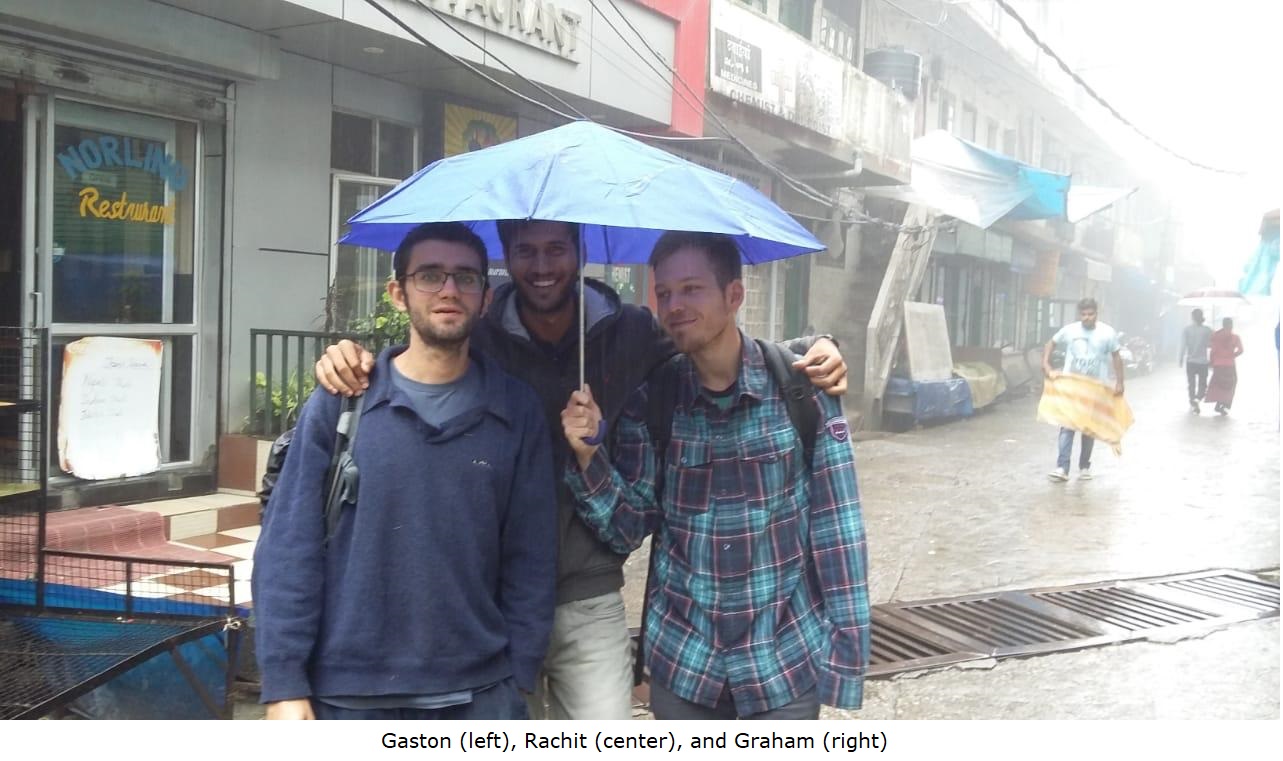
I started the Solid Waste Management project of resource recovery with my two French project partners, Graham and Gaston. At first, none of us had the slightest idea that our project would manifest into what we have managed to achieve today. After the initial two weeks of intensive research on the subject, we concluded that we wanted to design a zero-waste system for the Naddi village on the pillars of the concepts of ‘Circular Economy’ and ‘Waste is Resource/Food’. Generated waste should either enter a biological cycle where it decomposes and provides nutrients to the soil, or a technical cycle that ensures a closed-loop manufacturing system of upcycling and downcycling. Essentially, our goal was to use the waste to support the biosphere and the technosphere - a biomimetic approach we had recently studied.
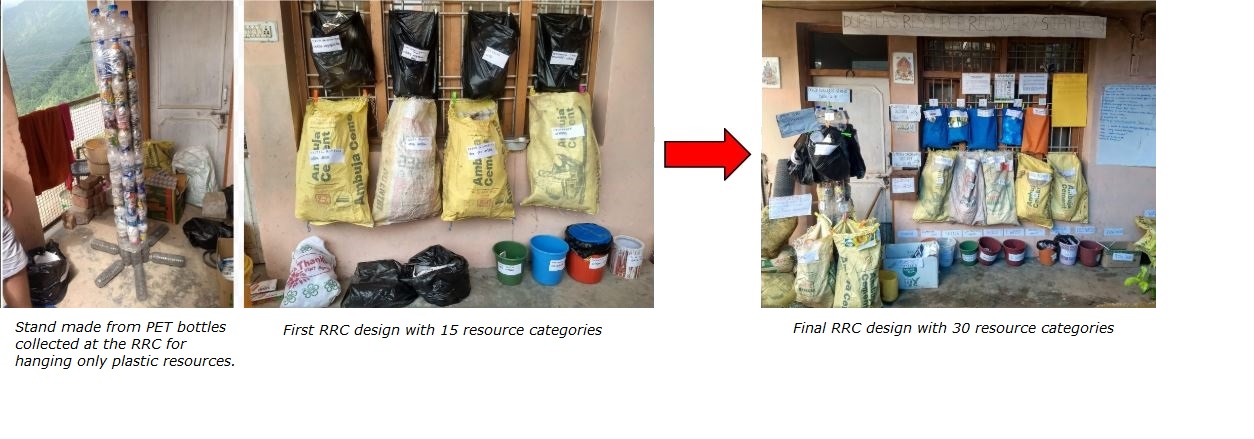
With our foundations solid and goal set, we now had to work on innovating a localized solution for this global challenge. This was the point when our Chief Director, Mr. Bhullar, introduced us to the concept of systems and design thinking, and we decided to break our goal into two tasks. First, to design a prototype of - what we now call - a ‘RRC’ (Resource Recovery Center), a platform for collection and segregation (within 30 categories) of resources. Second, to create a system around the RRC to facilitate effective and smooth collection, segregation, storage, transportation, and sustainable disposal of resources. Adopting and practicing this newly learnt approach helped us streamline our efforts, improve our focus, and see a holistic picture of what we had set out to accomplish. We were able to connect the dots and virtually actualize a systemic flow of resources from consumers to destinations of their sustainable treatment. While community engagement and behaviour change was an important component of our project, the main objective for us - as told by Mr. Bhullar - was to set up a sustainable system of resource recovery that could be continued by future interns (as it was done by Sami from Finland and Shivani from Canada).
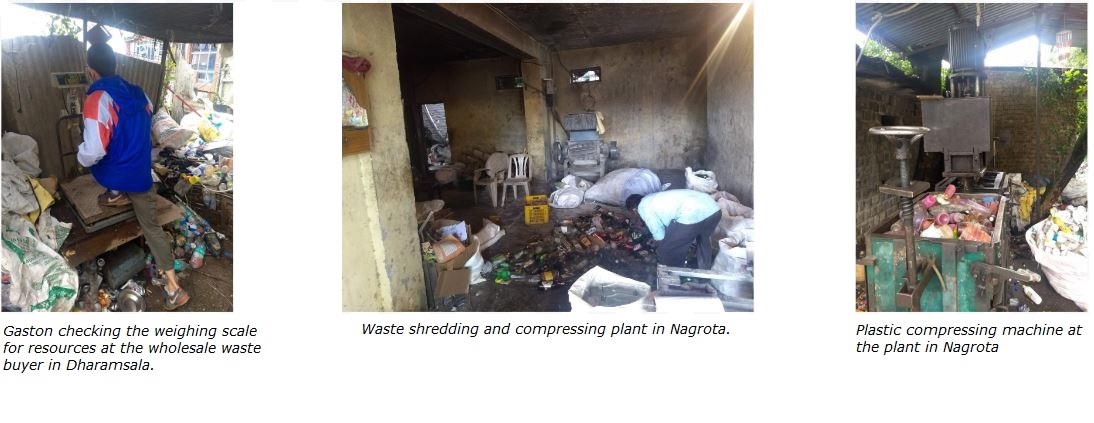
Because we had limited resources and limited knowledge in design, it took us several attempts to develop and perfect the existing RRC. It was a continuous process of design, implementation, evaluation, and amelioration - a cycle, but a forward moving one. Moreover, in order to create a system of intelligent disposal, we made multiple trips to the nearest wholesale waste buyers and recycling facilities to understand the market for the resources we intended to sell, as well as to establish a transport system with them. Not only did these trips acquaint us with the monetary value of each material, but also helped us gain new knowledge concerning the recycling industry, allowing us to better develop the RRC.
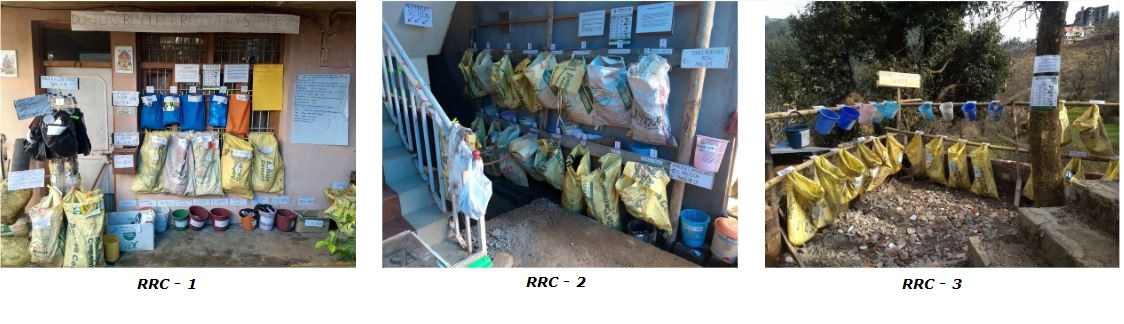
As illustrated in the images below, all our RRCs differ from each other aesthetically but are founded upon the same model. In order to succeed, we had to be flexible with our design but rigid with its essence. We had to move away from the ‘one size fits all’ approach and customize every RRC based on the context (location, free space available, community restrictions, and the resources at our disposal). Nothing comes easy when you work as an intern for an NGO in rural India. Yet, that is a virtue in itself; it forces you to become resourceful in your work and encourages you to do more with less. Such an environment also gives rise to frugal innovation - an approach I have been familiar with since childhood, but had deeply rooted within me after this stint. What I learnt from this experience is something that no classroom could have ever taught me.
It is true that an inter-cultural environment can spark greater creativity and innovation - the outcome of our project certainly justifies it. I am glad that I had the opportunity to work with people from different nationalities and forge some lifelong friendships - I am sure that I will have couches to crash on when I visit Europe.
The complexity of project management in sustainable development
The second
month revealed the diversity and complexity of project management in the
development sector. First of all, I had my first “quarterlies”, a
conference/seminar that takes place four times a year in which interns from all
of EduCARE India’s centres get together and discuss their achievements but also
the challenges they encounter in their various, often multifaceted projects.
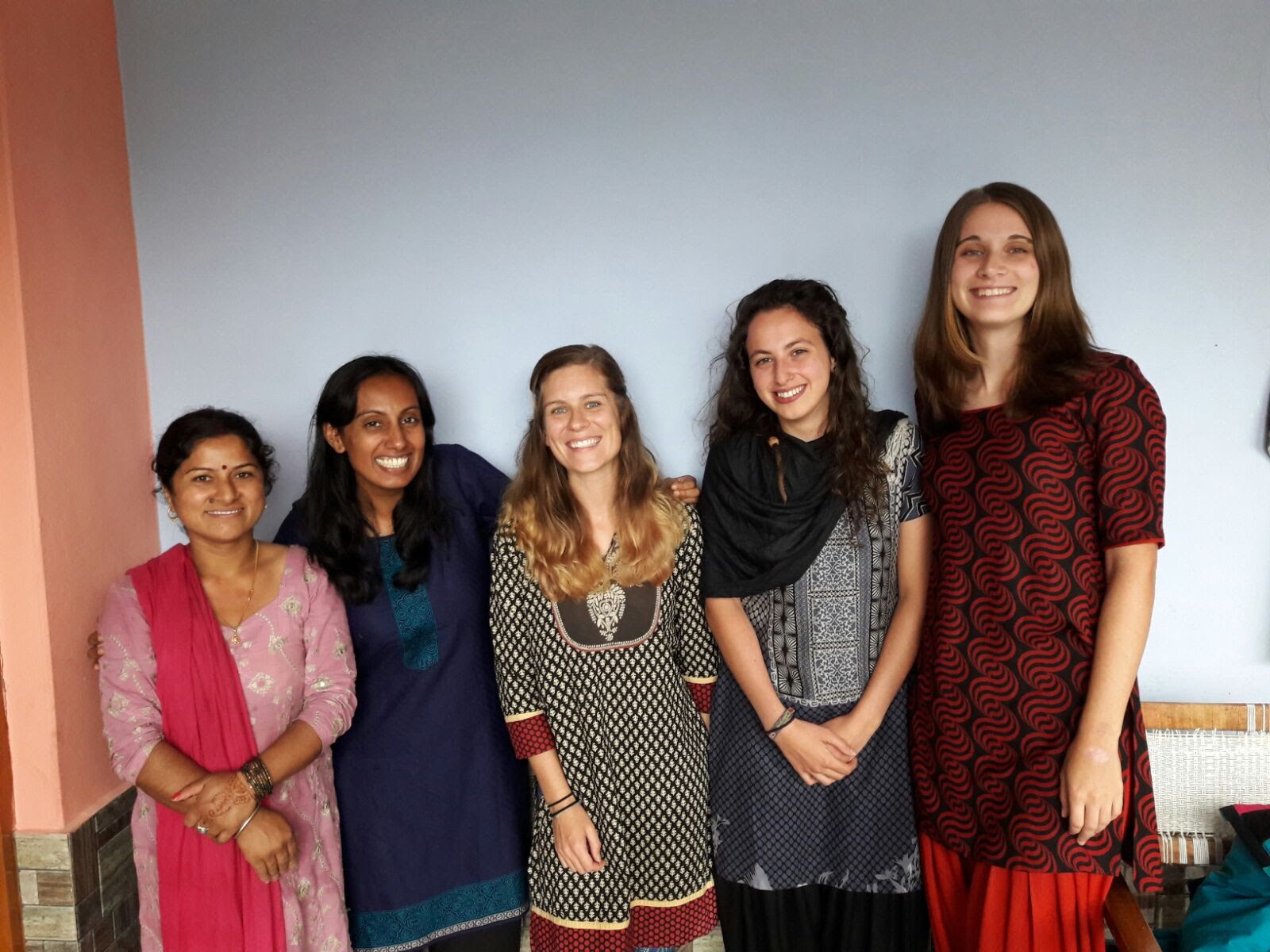
Our Team from 7 countries
During this
quarterly event we learned about COMPLEX PROJECT MANAGEMENT TECHNIQUES, and on
the kinds of THINKING one adopts in his/her everyday work in development. E.g.
we had to determine which thinking style we use, i.e. we had to think about
thinking, such as whether we’re an analyst, follower, learner, creator,
inventor or talker & leader. I judged myself to be a learner, because one
gains so many soft skills as well as knowledge about the development sector
while living and working in the communities on ground. Also, one almost
inevitably becomes a LEARNER because development work is so multifaceted- It
involves building rapport and knowledge exchange with local authorities at the
governmental level, regarding my waste management project this meant meeting
the district coordinator on sanitation and waste management(Please see blog for June“The challenge but also massive opportunity of inducing
sustainability and environmental conservation in rural India”)as well as doing field trips to
work-related settings, such as visiting the unsanitary landfill/dumpsite in
Dharamshala, a nearby town of our centre in Naddi.
The unsanitary landfill in the
nearby town Dharamshala to which also most waste from Naddi goes. It is my
responsibility to have no more waste reach this DUMPSITE.
Development
work also involves ONLINE RESEARCH, in my case on the INDIAN CONTEXT, on GOOD
PRACTICE SITES and on factors to consider when planning and implementing such a
project. Furthermore, the multifaceted nature of development domains such as
solid waste management does not stop with the various stakeholders involved. In
order for it to be encompassing and sustainable it must involve APPLIED
RESEARCH that covers all types of groups or beneficiaries, in my case in the
village of Naddi this means including parties as diverse as market food stands,
grocery shops, laundry services, restaurants, hairdressers, households and
hotels.
A “Chai” Tea Break after the
‘household’ survey with this local lady
A 1 ½ hour interview with one of the
very few female hotel managers in the village
COMMUNITY
ENGAGEMENT thus is crucial and this is where health and education kick in, a
crucial desired output of many development projects, including mine. For my
project community engagement, e.g. includes holding workshops on sustainable
waste practices on the grounds of reduce, reuse, recycle as well as doing a
community cleanup with the entire village that also involves an educational
component. Furthermore, probably most importantly, it also means collecting
data of the entire village on waste behaviours and views as well as on their
appraisal of the current waste management in place(or lack of thereof). Hence,
attaining LOCAL OWNERSHIP, will likely achieve greater satisfaction among the
community and thus also achieve greater sustainability. For my project to be
sustainable and to have the most comprehensive and lasting impact I need to
consider and incorporate all stakeholders, e.g. through doing surveys with all
stakeholders such as the ones listed above. It also implies collaborating with
project managers from other development domains of the organization. In my
case, this e.g. means collecting soft plastic for the participants of the Young
Women’s Association which they use to make cushions and pillows. Through doing
this, the women can use waste as a resource and don’t have to spend money on
purchasing new cushions but instead reuse existing waste material to make
something new. In other words, waste is no longer wasted but given a new
purpose.
Thus,
THINKING BIG is crucial. THINKING SYSTEMS and DESIGN is important. THINKING
COMPLEX is essential. The more comprehensive, the more planned, the more
researched and the more encompassing a development project is, the greater its
likelihood of success- It is key to SUSTAINABLE DEVELOPMENT.
“Become friends with people who are not the same age as you.
Hang out with people whose first language is not the same as yours.
Get to know someone who does not come from the same social class as you.
This is how you see the world.
This is how you grow”
As an engineer, I have always been passionate about simple, novel technologies that have a positive impact on people's lives and on the environment. I decided to leave my job in Edinburgh, UK and come to India to start a project with EduCARE India in Himachal Pradesh. This was my biggest test, to see if i had what it takes to move into the International development sector. I wanted to be challenged and pushed far out of my comfort zone not only personally but as an engineer. Based in the rural village, Naddi, at the base of the himalayan mountains was about as far away from an office job as it gets!
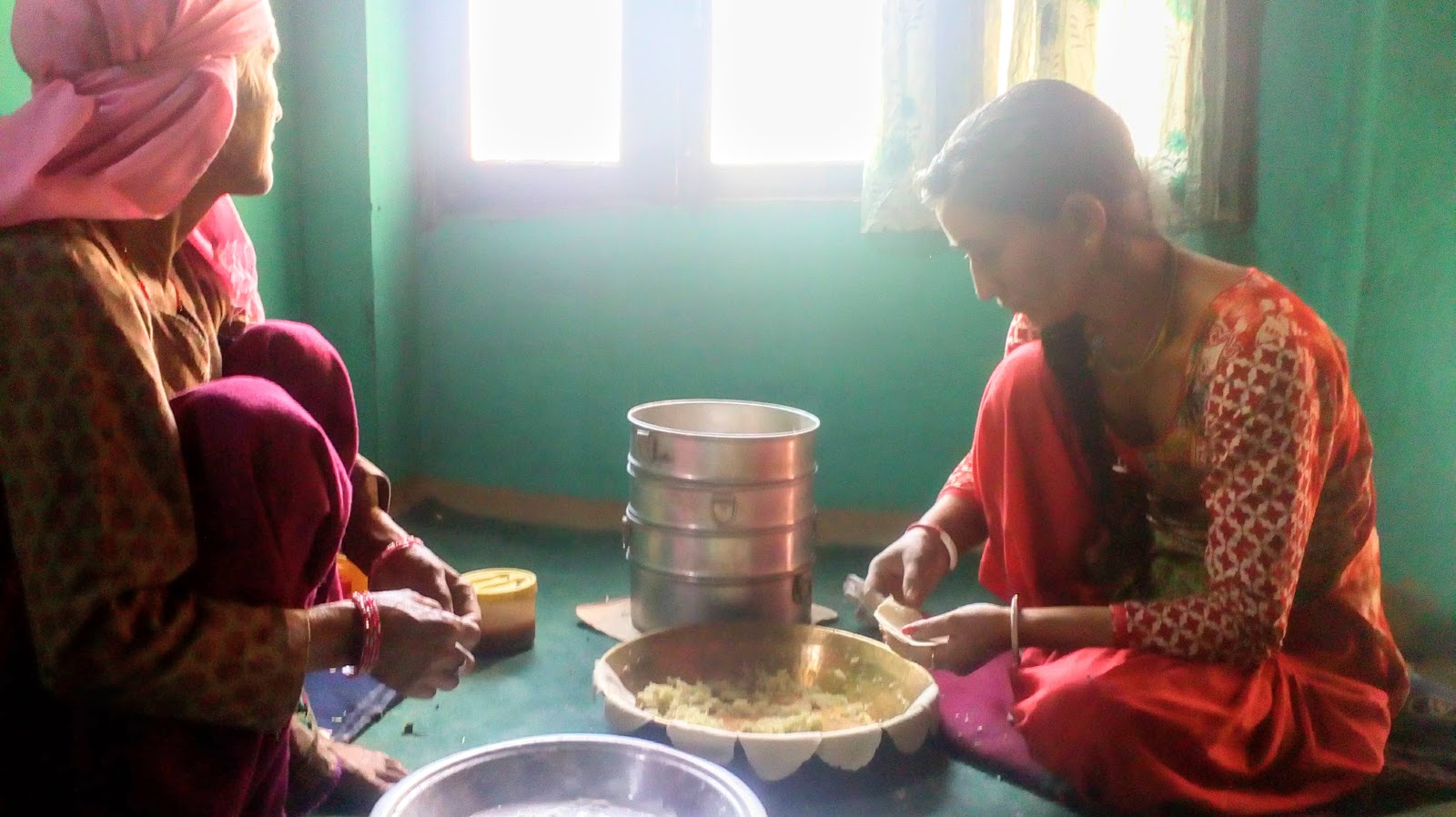
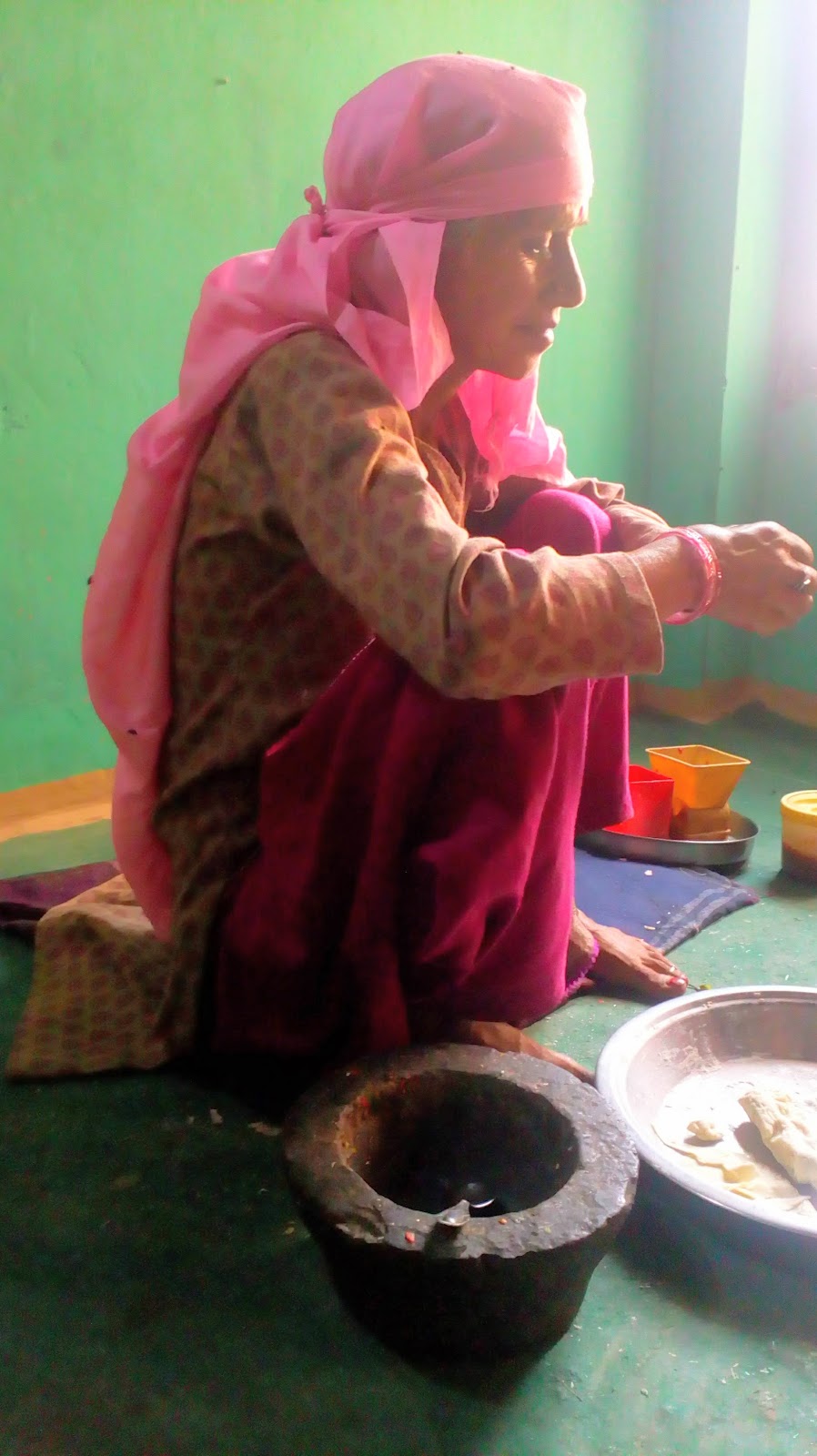
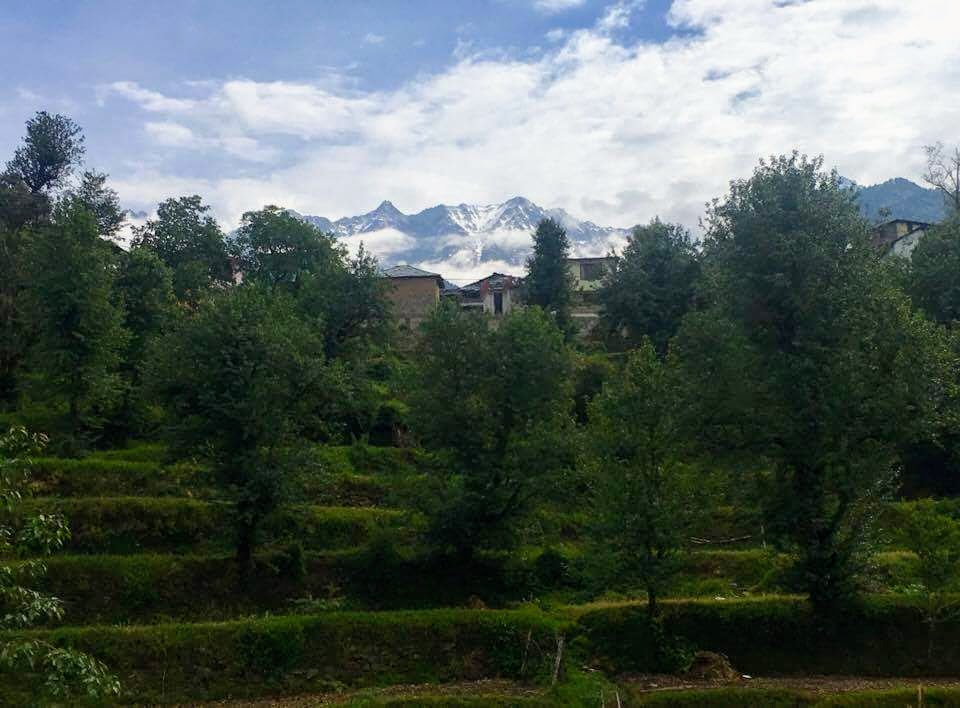
I came to India with an open mind and tried to have no preconceived notions of what I felt could be improved. My time spent living with my local host family, surrounded by views of the himalayas, was one of the best experiences of my life. This community-applied research not only helped me build my project but gave me the opportunity to see how the family lived and get to know them. I was amazed by the indian hospitality as they encouraged me to sit with them while they made momos to sell in their shop, drink chai together and humoured my extremely limited hindi.
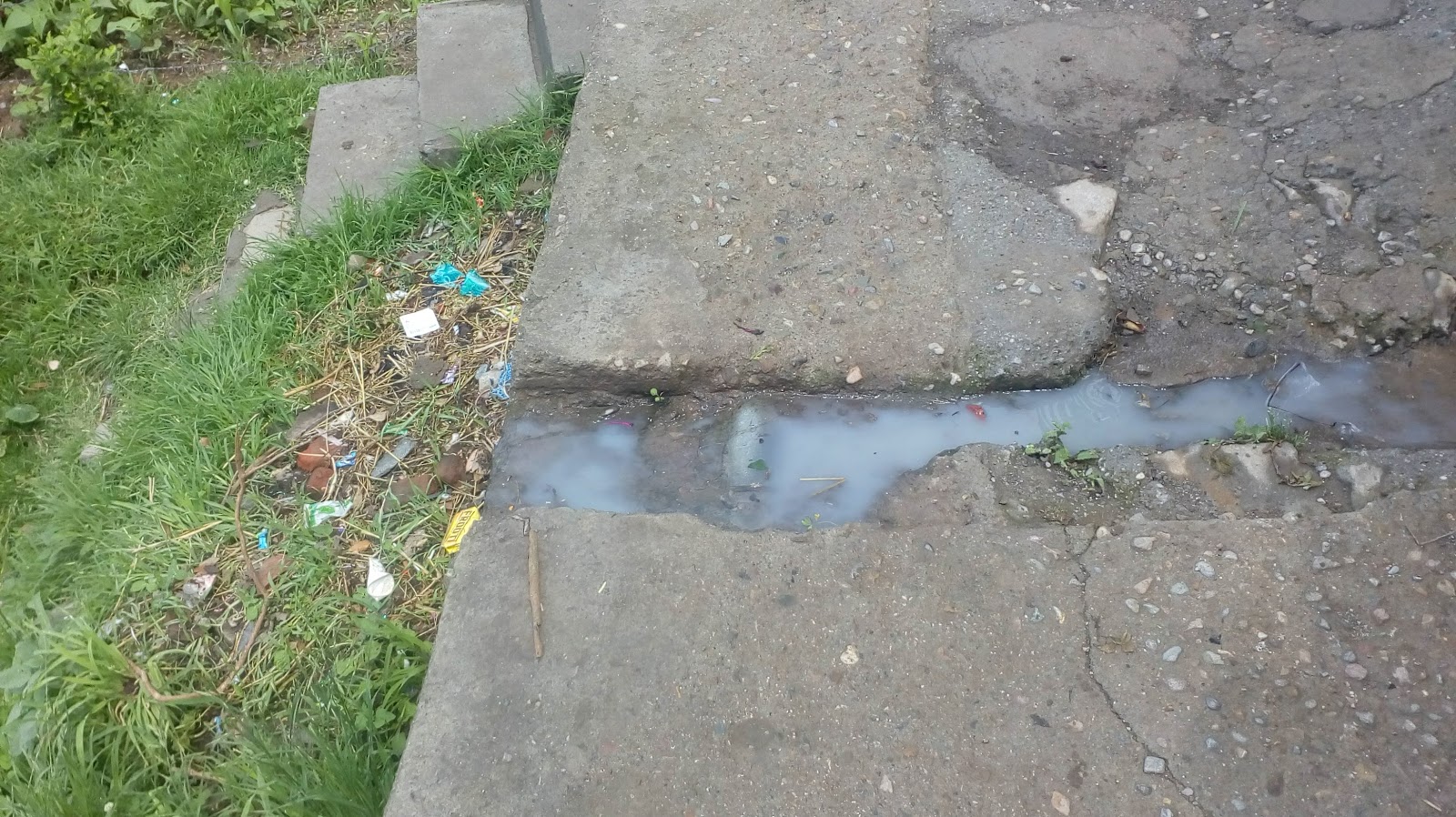
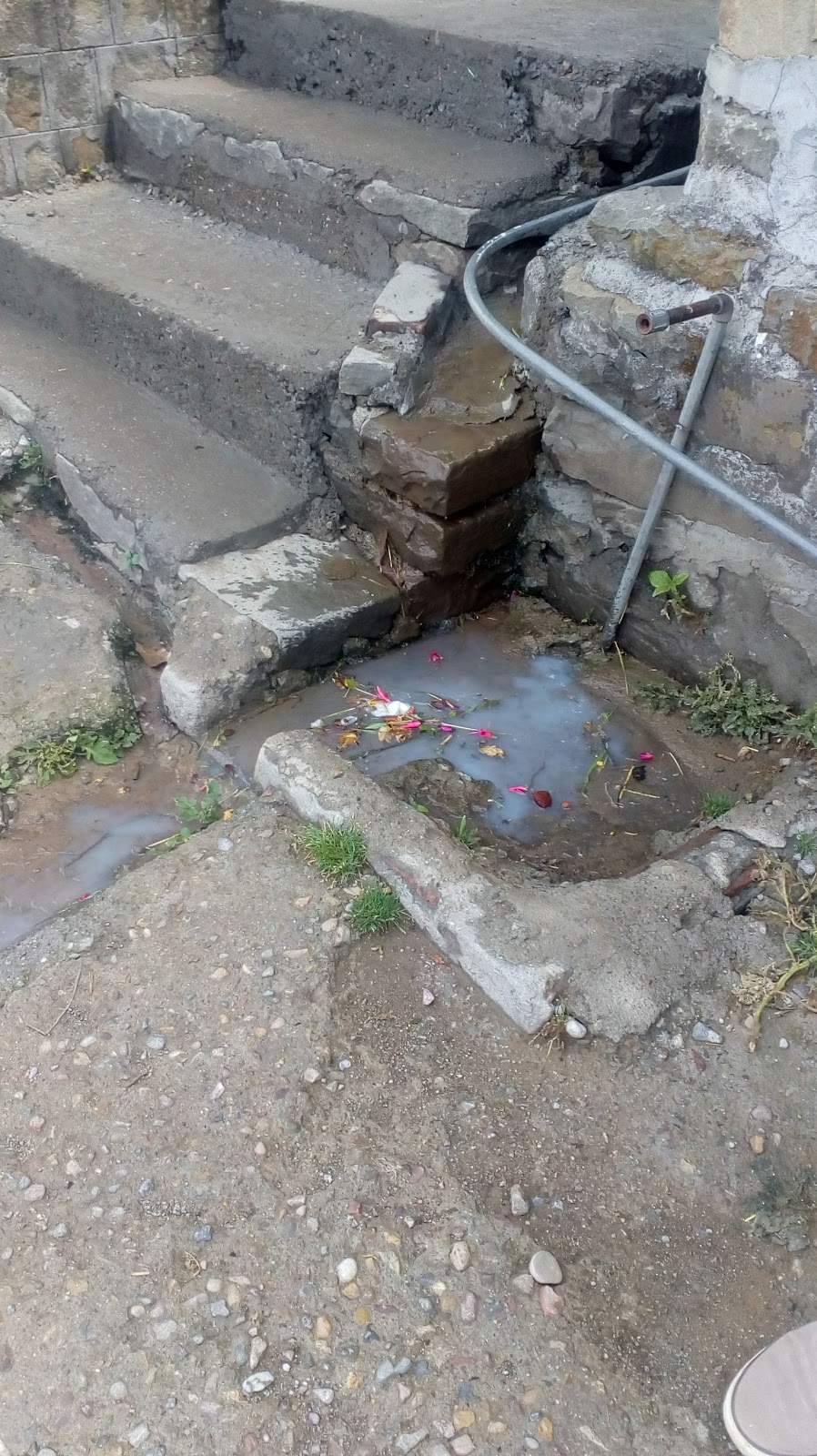
It was here that I started to formulate my project after witnessing the vast volumes of grey-water (wastewater from sinks, clothes washing and other hygiene purposes) that are discharged from homes in the village and leach into the environment, potentially contaminating food and drinking water sources.There is no collecting nor treatment system in place. Several taps are out in the open, without any sink to collect the water, and are used to do the laundry/hygiene purposes. Some other taps, in the bathrooms and kitchen, are linked to a pipe from which the water goes out directly in the environment.
Chemical contamination of water is a worldwide problem however, through research, I found that there are very few locally managed, sustainable, low cost household treatments available in rural and remote locations. While bacteria typically represent the most immediate health problems a variety of chemical contaminants such as pesticides, industrial waste and even household chemicals can impact the safety of water and on the environment. Long term chronic exposure to chemical contaminants can lead to cancer, kidney and liver issues and diseases of the reproductive systems. Therefore the development of effective, affordable ‘green’ technologies for chemical contaminant removal in remote rural areas such as Naddi is important to me.
One of the biggest challenges in engineering development is ensuring local sustainability and creating a lasting impact long after the project is complete. Many development projects are formed with good intentions but are not always suitable for the community. My project is still in its very early stages but I am passionate about utilising a local waste residue and involving the community in building a water treatment system that is sustainable. Through other development work in other countries I found out about biochar….
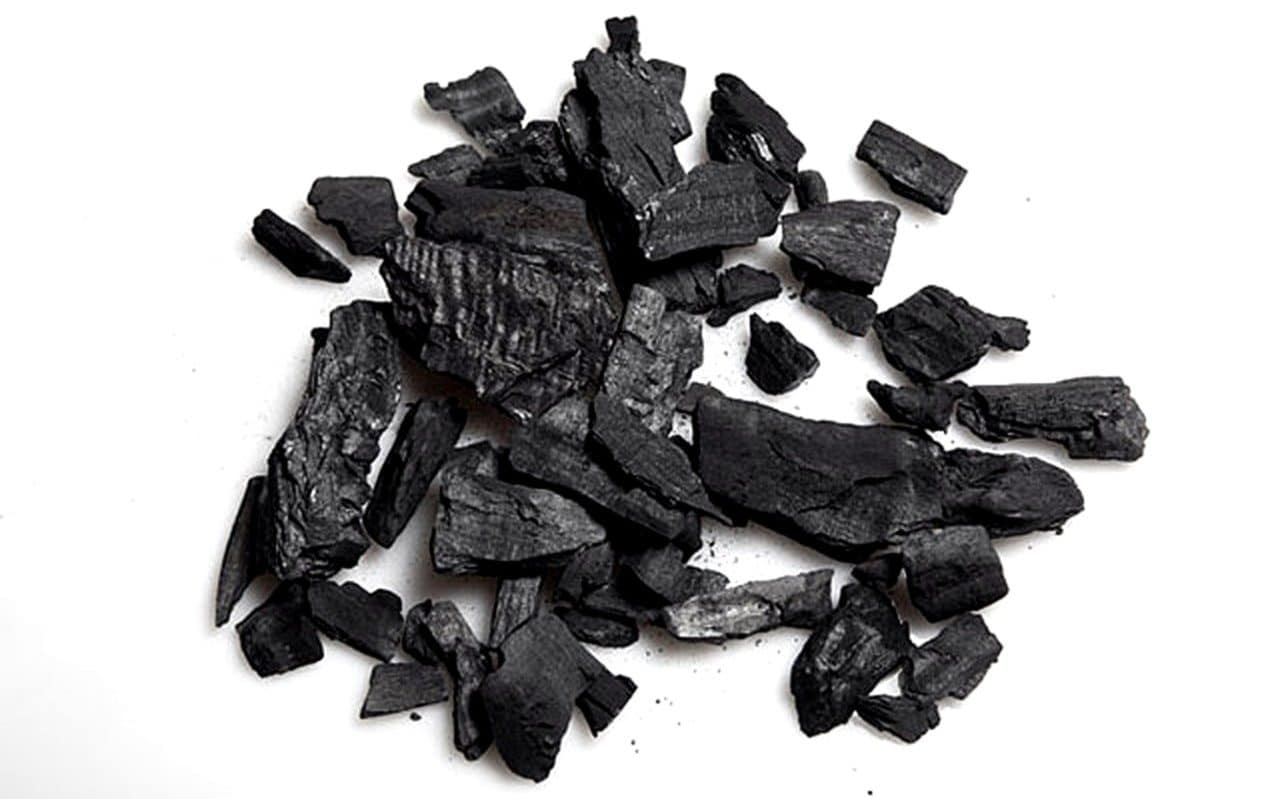
Biochar is charcoal created from plant matter. For example, biochar can made from heating agricultural or forestry residue. Biochar filters work similarly to carbon filters which have been used for thousands of years as far back as the ancient egyptians. Can’t get much more ‘tried and tested’ than the ancient egyptians!. Local biochar is ideally made from agricultural and forestry residues and/ or sustainably harvested renewable woody biomasses whereas most commercially made carbon are made from non renewable coal. But what forestry residue could I use in Naddi, that was sustainable and easily available? In Himachal pradesh, pine needles are identified as major cause for forest fires, causing immense threat to environment, forest biodiversity and local economy. The needles that fall cover the ground in thick net and prohibit air to pass across, thereby, hindering the growth of grass on the ground. This phenomenon leaves no option for the local community other than setting the needles on fire; else it becomes almost impossible for them to feed their cattle. The needles, being highly flammable in nature, not only pollute the environment by burning themselves, but also take entire biodiversity into their gulp. I have only been in Naddi for a month yet i have witnessed one major forest fire.
I am excited to see the development of this project and live in a country so different to my own. I know that working in rural India will have its challenges and frustrations but that is all part of the process. I hope to develop my skills as an engineer beyond the textbooks and excel spreadsheets!
It has not been all work….
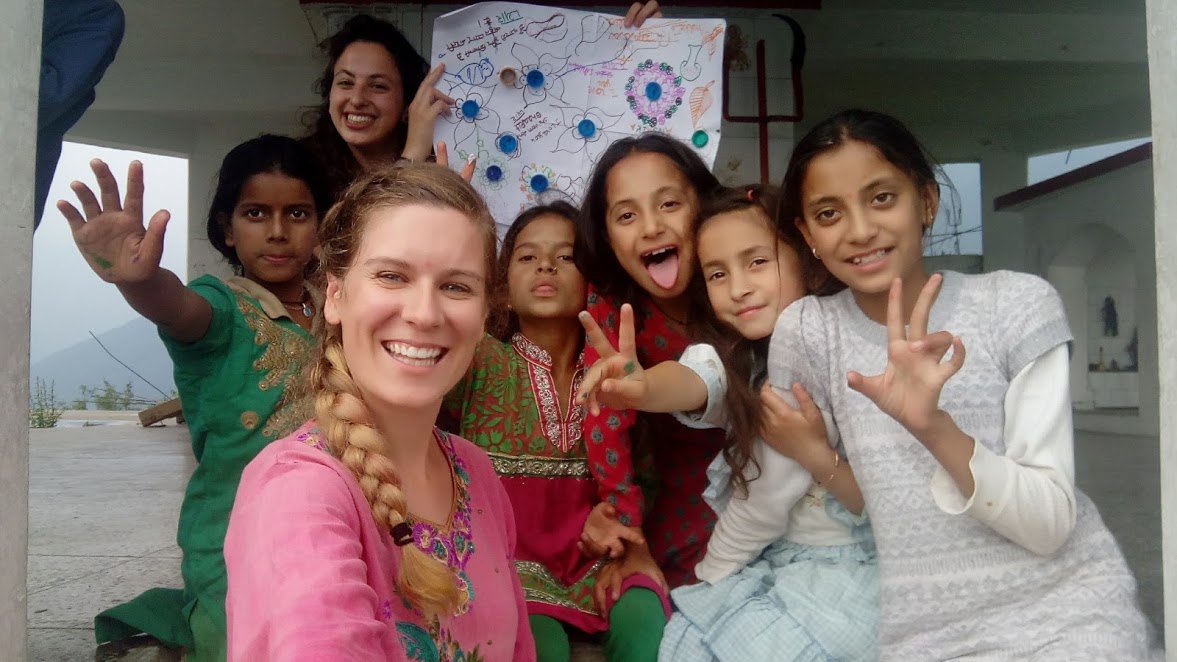
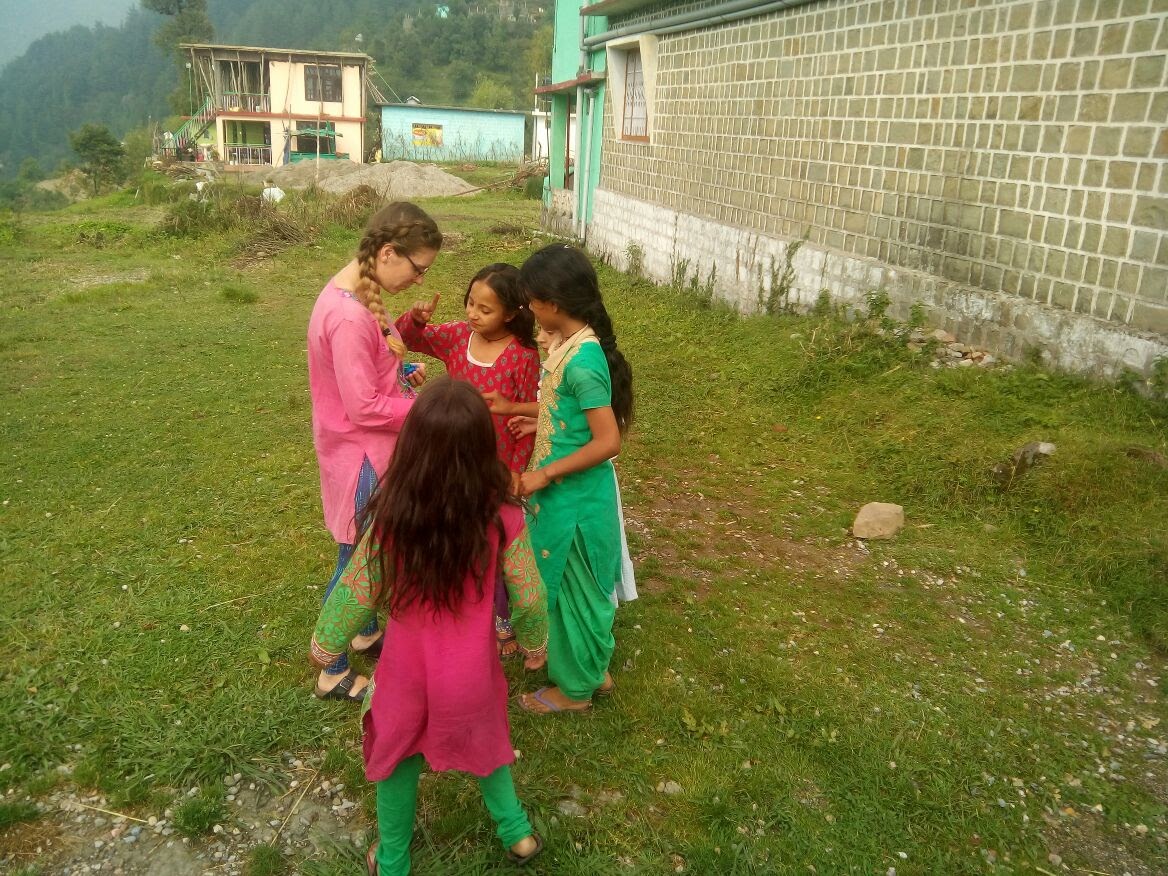
Life as an EduCARE India Intern has not been all work. I am really enjoying working with the Naddi Girls Club and getting to know the girls in the community. Even though it is so hard to keep them focused, this excitable bunch of girls are always able to make me laugh. Introducing me to Hindi and Punjabi music and trying to teach me Hindi, then giggling when i get it so wrong! I can’t bare to part with their drawings and soon the intern house will be covered in their awesome artwork!
#artissubjective
I have found that team bonding in the intern house has been vital.
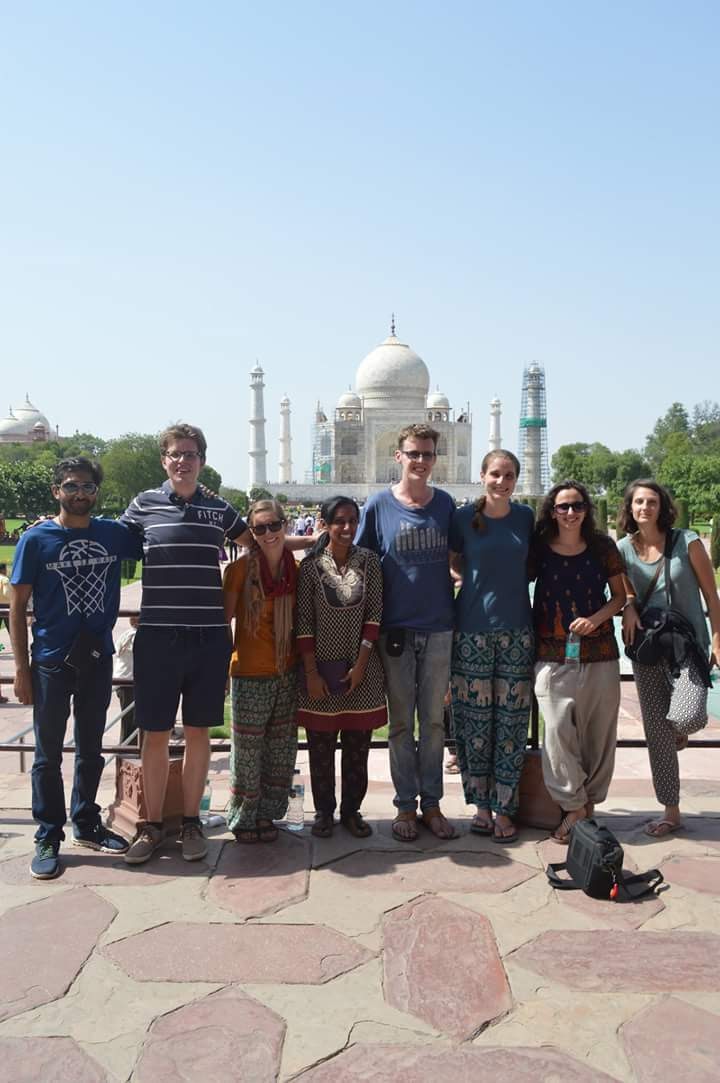
Especially since you all live and work together like a family. We managed to fit in a team round trip to Delhi and the Taj Mahal in a weekend (yes, that is a 500 miles by bus!). The rickety government overnight bus was an experience with 12 hours squashed, sweaty and feeling like a hair dryer is blowing on your face all night while the person next to you snoozes on your shoulder. You get to know your fellow interns pretty well after that experience. But seeing The Taj Mahal made it all worthwhile….