Showing posts with label Organic farming. Show all posts

Sunday, 6 August 2017

David's Academic Fieldwork and Reseach Internship Experience in conservation projects


Internship experience

Amazing India

India is a magical country, from all the countries I have visited before, it is the most confusing. Culture, language, traditions and people are different whether you're north, south, west or east. Every day I discover something new, I am a bit like a child, I am very curious about what surrounds me and the environment in which I evolve. The food is so delicious, certainly very spicy but I really love it ! However, before going to India, it is important to inquire because it is very different from the Western countries.

Harike center

My experience at EduCARE India during this first month is very rewarding. First of all, life at the Harike Center. It is a collocation with several people from different countries, working on different projects, with different skills and experiences. Living with this small community irremediably creates links. It is a complex that complements each other and provides a daily basis conducive to the development of ideas and projects. Everyone works to develop the center to get a more comfortable and ergonomic space every day.
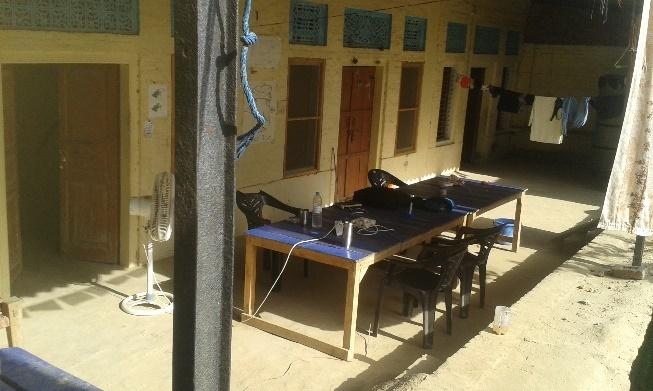
Patio / Table / Pace of exchangeC:\Users\David\Desktop\Educare\project\photos\20170615_164745.jpg
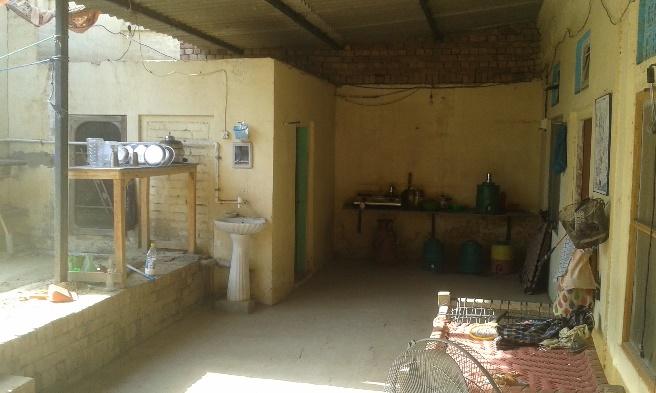
Kitchen / PantryC:\Users\David\Desktop\Educare\project\photos\20170615_164804.jpg
Figure 1:Harike VIKAS center
Team from June: Gabriel (Canadian), Cora (UK), Ankur the CPC (Indian).
Then, to carry out our projects, the community puts at our disposal means such as a structure with an office or a field to create a small organic farm. It is very important to have a point of inking that serves as a reference point for the community.

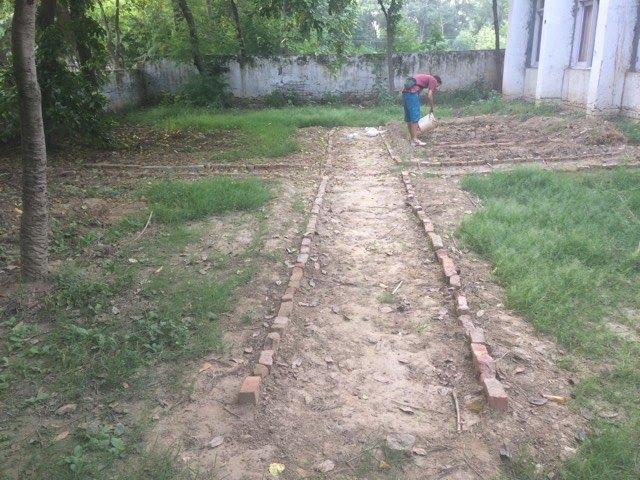
The forestry area:
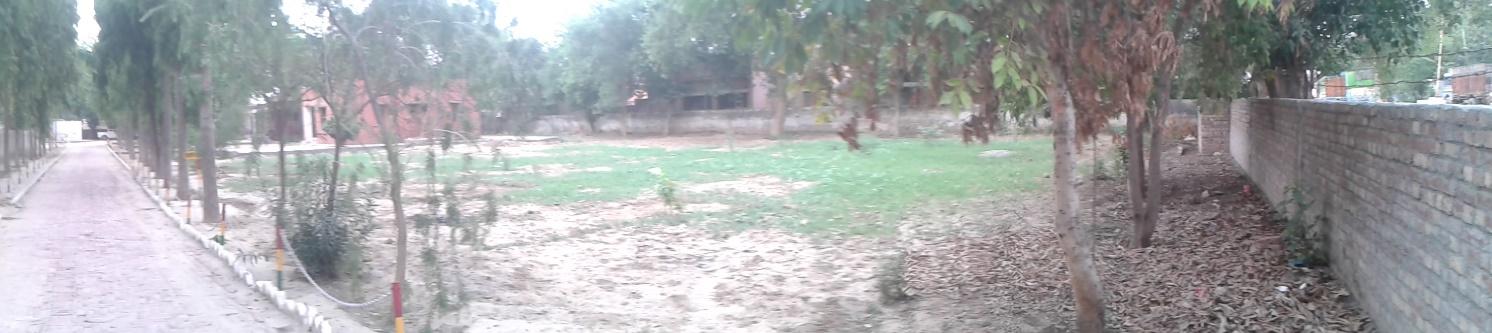
C:\Users\David\Desktop\Educare\project\photos\20170614_185618.jpg
Figure 2: Forestry area

The Harike community

The hospitality of the Punjabi community in Harike is fantastic. People are very happy to receive you and offer you hospitality easily. Their interest for strangers is intense, they are hugely interested in you, your country, your family and your work. Their curiosity is limitless, they can be interested in you all day. They are very receptive to our projects but my opinion is that the main problem lies in the notion of time. When you schedule meetings, visits and work with the community, often people are late or just not there because they wanted to do something else; you have to be flexible and adapt to this polychromic vision of time.

Be a project manager

Being a project manager is a very personal and professional trainer. The management at EduCARE India is totally horizontal, you are your own boss, the success of your projects depends on your commitment and your motivation to complete the objectives set. You have to take many initiatives, sometimes unsuccessful or without results, but you have to keep in mind that "success comes from failures".
I learned a lot during the first month at EduCARE because the potential, the constraints and the problems encountered are totally different from what I usually encounter in my work. I had to juggle between using my knowledge and learning new ones.

Biogas plant project

Initially, I had to learn about the different techniques used, and visit a facility that works in a sustainable way. So I went to Makhu, a village near Harike, where I saw 3 different biogas plants. I gathered as much information as possible from the family about the structure, frequency of use and price. It is essential to carry out this work of intelligence and visualization, it is really very instructive.


Figure 3: Biogas plant in Makhu village
Then he has a research and solution work to implement. I had to understand the objectives of creating a biogas plant in Harike and especially the benefits for the community. I had to contact key people and partners in the realization of my project. I went to Chandigarh, a very pleasant city, in which I went to PEDA (Punjab Energy Development Agency) headquarters. It is a government agency subsidized by the MNRE (Ministry of New and Renewable Energies). I was able to get key contacts for my project. It is therefore essential to move and get in touch with people who are likely to help or to take part in the realization of the projects.
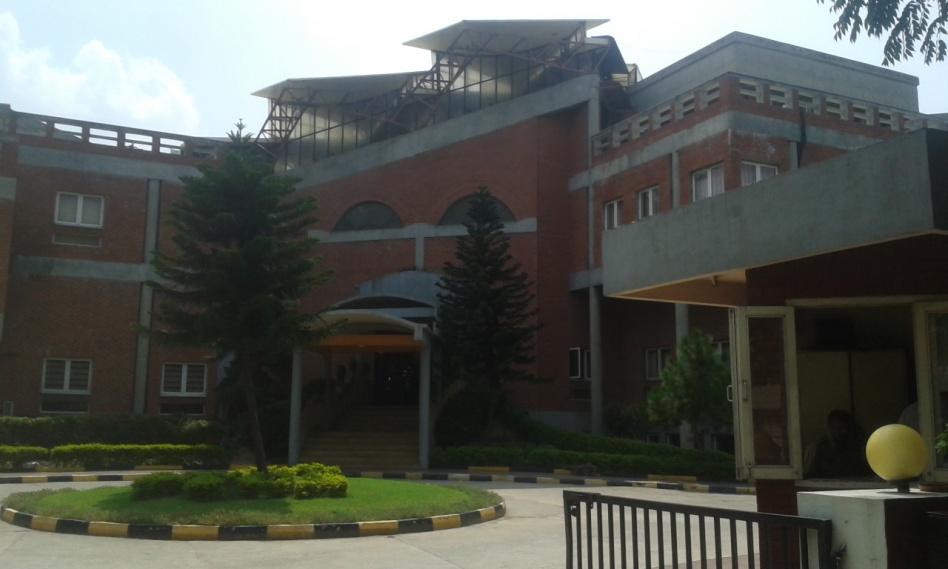
C:\Users\user\Desktop\Educare\Picture\20170703_141312.jpg
Figure 4: PEDA in Chandigarh


July 2017
Internship experience

Amazing India

India is a truly magical and fascinating country. I discover a lot about this people, their history and also about myself. From my point of view, the Indian people have a share of timidity and extravagance, two very opposite characteristics. When conducting practical work or presentations in front of an Indian group, they are shy and do not dare to interact and ask questions because they do not want to put themselves forward. On the other hand, individually when talking with an Indian, he is very curious and talkative about your intentions, your work, your presence in India and your life in general, but he is also going to talk about his life and of their wishes.
India is immense and its resources are so. During this month I had the opportunity to take a few days to visit famous places. I went to Chandigarh for my project and I took the opportunity to take a weekend. So I visited the city designed by the Franco-Swiss architect Le Corbusier, visited the rock-garden and the rose-garden. I also took a weekend to New Delhi and Agra to visit the Red Fort and the famous Taj Mahal.

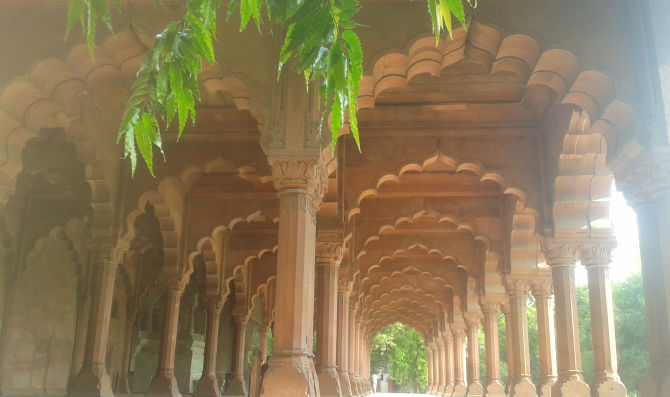
Figure 1: The famous Taj Mahal in Agra   Figure 2: Picture inside the Red fort in Delhi


Harike center


At Harike VIKAS center, projects are progressing and the interns work to improve the welfare of the center. We repaired the bamboo construction to dry the clothes outdoors, cleaned the material storage areas and create posters of information about the rules of the center as well as deliverables to be sent every week and month. We started to create a small garden in the center with trees, plants but also a small kitchen garden. The promontory of Harike's terrace was cemented to prevent flooding during heavy rains.
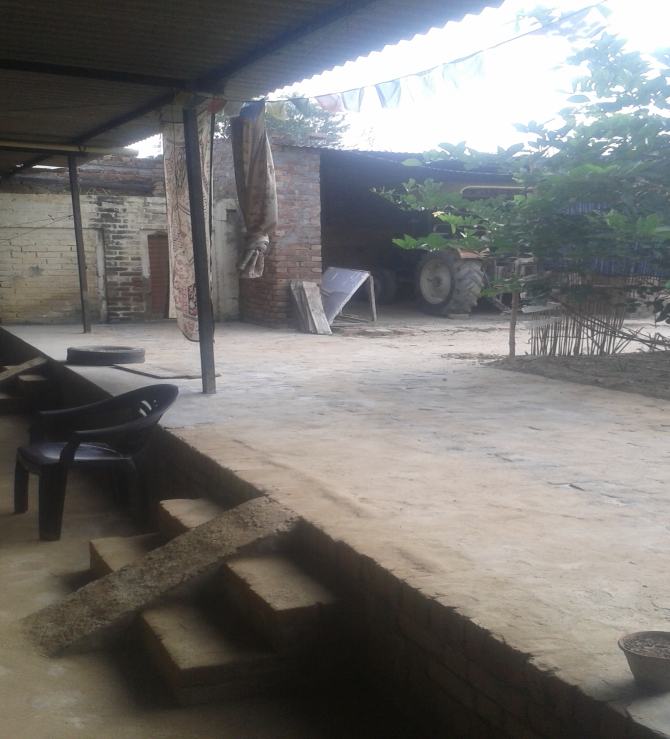
Figure 3. Cemented terrace of the Harike VIKAS center
Harike's team has expanded with the arrival of two new interns, Kushbu and Felix. Kushbu is working on a photovoltaic solar panel project while Felix is working on a solar oven project and on the organic farm with me. These are two good elements for the Harike Center.

The Harike community

In Punjab, the economy is based on agriculture. Around Harike, the landscape is extremely flat with fields of rice and maize as far as the eye can see. The Punjabis are very nice people with a sense of hospitality very developed, as can be seen in the Golden Temple for example. The reception is warm and people are very receptive and interested in the projects of EduCARE. However the Punjabi mentality is very surprising, it is focused on music and "thug life". That is to say, people like to be seen and recognized by wearing sophisticated accessories or sophisticated clothes, having a big and pretty car, an inordinate house, a bit the prototype of the American rapper catches the eye. To conclude, I love the Punjabis! My experience in Punjab is fantastic.
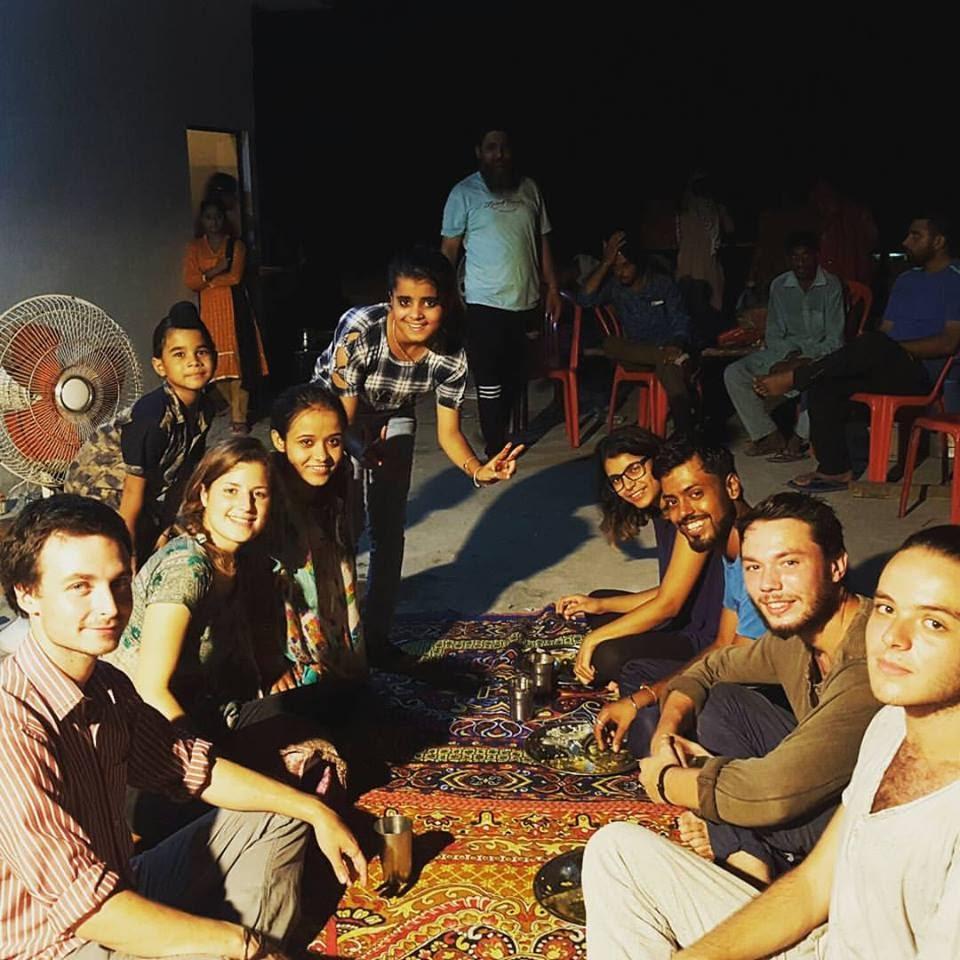
L’image contient peut-ĂȘtre : 11 personnes, personnes souriantes, personnes assises
Figure 4: Dinner in the community with the Harike team

Be a Project manager

My experience as a project manager this month was very different from the month of June. I went through several feelings like satisfaction, joy, confidence but also frustration, disappointment, anxiety ... I learned to focus on less ambitious goals and I had to rethink my project management. I also realized that it is important to rely on local resources, they have a key role in the success of projects. However sometimes the premises can also be a waste of time, pretending to be able to help on the project and that I learned to my dependences.

Biogas plant project

This project has not really changed. After reflection and discussion with PEDA (Punjab Energy Development Agency), there is no point in building a biogas plant with a digester of less than 4 m3. So I have to rethink the project and start on a new design. Mr B and I met with Mr Raminder Singh, a PEDA member in Amritsar, on Thursday, 3 August. This meeting was very constructive and will be my starting point to reformulate my biogas plant project.

Organic farm project

I was very focused on this project during the month of July. The arrival of Felix greatly contributed to the progress of the project. We planned the various stages of the project together. All in all I am rather pleased with the progress of the project despite some delays in planning. The community of Harike and the forestry department seem very cheerful and interested in our project, that satisfies me. About the vermi-composter, the process is on the way and I already have ideas for the development of vermi-composting in Harike and its surroundings which seem promising.
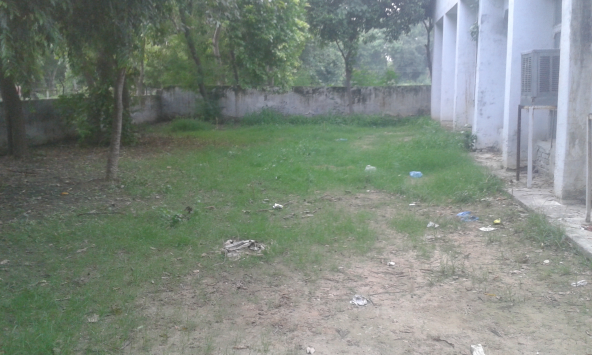
https://scontent-sin6-1.xx.fbcdn.net/v/t34.0-12/20668048_10214054623462455_431162302_n.jpg?oh=11e3e4d847c0e0bf2430fdc1debc256d&oe=5987FFB1
Figure 4: The area at the beginning Figure 5. The area at the 3rd July


David Swierczynski (France)
Academic Fieldwork and Research Internship, 
EduCARE India @ Harike
ViKAAS Dev SEVA Centre / Agriculture Research Centre

Tuesday, 27 September 2016

My stay in India

My name is Jeanne, I am 19 years old and I study Agriculture in an engineering school in France. I arrived in India the 1st of June after the longest flight ever. I met Gautier at the airport in Delhi, he is also French and in Harike as the SWASH manager. I am on the organic farming project.

My first impression after my first step in India was: the heat. The exit of the airport was an oven and it was only the beginning of our travel, we had to go to our hotel with all our luggage, what a good start! We were assaulted by the taxi drivers, the auto rickshaw drivers, the hotel managers and many other people that wanted to sell us something. After an hour or an hour and a half of metro, walk and getting lost many times we finally reached our hotel. There another nightmare was starting, understanding the formalities of the hotel and trying to not be over charged, even if both Gautier and I were not really fluent in English. We can say that it was an interesting exchange!

Despite all that I began to like Delhi, all the different smells, the trash, there you can smell  incense and at the same time the smell of the street food. Here and there, there are street dogs, cows, squirrels, pigeons or even a zebu pulling a cart. But the most significant maybe, are the people. So many people who are doing so many different things, food street vendor everywhere (momos freely, corn, samosas, ice-cream, juice...), barber, street ironing service, ear cleaner, trash picker, beggar child, woman, old person no one is spared to this condition, and this day and night. One other thing that you have to get used to as a foreigner is people staring at you as if you had a problem on your face! As well as sometimes people just do a little walk with you to ask you where do you come from? What are you doing in India? Did you see the Taj ? Or you have to go there it is beautiful and then go back among the crowd. For me that is Delhi and I love it.

Playing cards in the train!
  
The next days, I discovered Harike, a “village”! 8ooo inhabitants, many shops, dhabas, chemists, tailors, boat makers, 4 different schools, at least 4 Sikh temples, one Hindu temple, one post office (never open), many fruits and vegetables stalls and even more. I was very surprised to see that. It was not really what I had imagined. I had the same impression when I discovered the intern’s house, I was expecting more privacy, more comfort, more everything but I finally like this place. After a week or two you feel at home and find your own way to live here. Then it was time to meet the communities and our neighbors, the first contact was strange and I didn’t feel comfortable to be welcomed like we were. But now it has become normal to have chai or cold coffee everywhere, even at the fixed price store they give you a soda. The Punjabis are very friendly and welcoming when you take a step toward them to try to discover them. I am learning a lot about the religion, the way of living, their point of view about their country, about ours (Punjabi are completely crazy about Canada and Australia!), the food, the history of the country and many other things.

Before I left for India every one told me, “You will come back changed!” I don’t know if it is true but the only thing that I know is that I will come back with a nose full of smells, eyes full of colors, ears full of horns and Punjabi music and finally a head full of memories. 


Jeanne Tardieau - France
Organic Farming Project Manager in Harike


Wednesday, 27 January 2016

Welcome to Harike

The first month in Harike has passed, and it has gone very fast. Many things have happened, and the team has been working hard to establish strong connections with the local communities. After the end of quarterlies, the team began strategizing on the future of the centre and planned the centre's activities for the following year. After some house decoration activities (led by our former centre manager Ethan), the real work began.

First Saturday Meeting complete
Until now, we established two weekly ASP’s with two different local communities. The wonderful  Jessica, our Women’s empowerment project manager, has initiated a Girls’ Club with the Makhu girls and has received a very positive response. Our Eco-building project manager, Maria, has been working hard at establishing relations with local women who will host the eco home stays in the future, as well as worked on the plan for eco-buildings in all of EduCARE’s centres. While our new centre manager Tommaso, in between cooking delicious meals for all the interns, has begun his business plan for Harike’s ReSTORE. In addition, we also began giving workshops to a local school on a range of subjects including SWASH, girls’ health, disaster management and environmental awareness. Maria and Jessica gave the first two workshops and received very positive feedback from both the children and the teachers. These workshops will be given twice a month for the next year and are aimed at raising awareness amongst local children about important issues.

Harike team members standing next to their caricature
With respect to the forestry project, Harike has a lot of potential particularly due to its proximity to Harike’s Wetland, a protected area which includes a bird sanctuary home to hundreds of birds migrating from places as far as Siberia. The forestry team, composed of Sydney and I, had a pretty successful month in terms of establishing contacts and planning future projects. During this month, we have managed to meet and interview a number of officers from Punjab’s Forest Department in both Harike and Firozpur, as well as visited Makhu’s tree nursery to learn about the local flora and fauna. After some brainstorming sessions and lengthy discussions with Mr B, we came up with a number of projects to implement in the future. These include:


·  Establishing a tree nursery at the local Sikh temple, planting bamboos and a number of other local trees, with the aim of engaging the local community in taking care of the trees and create, in this way, a social forestry project.

·  Work with some of the women from Makhu village to create organic vegetable gardens for self-consumption.
·         ·  Establish an income-diversification project aimed at the two local communities we work with in Harike. As these communities’ incomes rely on extraction of resources from the wetland (for example by fishing and cutting wood for fuel and fodder), our aim will be to create a number of organic vegetable gardens for the families to use for self-consumption. This will allow the families to reduce their expenditure on food, improve their levels of nutrition, as well as promote more sustainable agricultural practices.

Harike team at Quarterlies
For the moment, these are the forestry project priorities and steps have been taken to ensure we’re on the right track to achieve these in the next year. In addition to the main project, Sydney and I also created a new garden for the interns’ house which will be used to grow organic vegetables, as well as mosquito-repellent plants (which are very much needed for the summer months here).

All in all, our first month here went very fast, between some planning and strategizing, drinking many, many chais, film nights, perfecting our parantha recipe, running away from frisky buffalos, playing cricket with the children and experiencing our first Punjabi wedding, we have learnt a lot but still have a lot to achieve.
Our first Punjabi wedding


Alessandra Sciarra- Italy 
Forestry and Organic Farming Project Manager, Harike (Punjab)


Monday, 27 July 2015

Organic Farming Field Trip


Cow dung and organic waste. Not usually on your list of favorite things, but they are considered hot commodities in the organic farming world. They are treasures for composting as I learned on my visit to Palumpur University’s Department of Agriculture. Together with the newly formed Educare organic farming team and Mr.B, we took a field trip for some organic learning and some inspiration.

Palumpur, located two hours by bus from Dharamsala is beautifully located between tea plantations. The organic farming section of the agriculture department is spread out over 38 acres. When I first arrived, the professor was explaining the various types of vermicompost we can try starting as part of our organic farming/kitchen garden projects. The speedy process takes around 6 months, with the average length of time taking 12 months, composting, I realized, is a commitment. We learned about 10 different ways to compost as well as ways to create organic and nutrient filled pesticides. A main ingredient in creating a great compost or organic pesticide is cow dung, and luckily, I don’t see India running out of it anytime soon.

Visit to Palumpur University’s Department of Agriculture
Visit to the Palumpur University's Department of Agriculture


We walked around the campus admiring the greenhouses filled with ceiling high beanstalks and tomatoes, the lush rice paddies and vegetable plantations. Awed by the vibrant color of green beanstalks, I decided then and there I wanted to plant beans in my garden in Maiti! Fortunately, we purchased two types of hybrid beans from the university that day.

Bamboo fences, benches and shelving were also another source of natural inspiration I took in at the university. There was an entire house made of bamboo complete with tables and chairs inside that the department uses occasionally for trainings. The bamboo creations were beautiful as well as sturdy. I carefully took pictures of how the bamboo fence and bench were built, so I can hopefully mimic the construction after the monsoon.

Maybe I am being overly optimistic in my venture into organic farming (as it is my second side project), but the Palumpur visit was inspiring and motivating nonetheless. And now to start planting my seeds!

Michelle Fujisaki - USA
HR Coordinator

Wednesday, 10 July 2013

Gardening in Rajhol

It’s only right to start this blog post by thanking the neighbors that made my farm possible. In our small village of Rajol, Himachal Pradesh, farming is the only way of life. There are a few shop owners and restaurant owners, but even they tend their farms after work. The day I started working in my field, all the neighbors came over to see what I was doing and to offer advice and assistance. The neighbor to the back of our house, Ramchander, helped me rent a hand tractor to till the field and sent his son, Teju, to teach me how to use it. The neighbor next door gave me a lesson in Indian fertilizers (khad) used to grow corn (makki). Finally, even the restaurant (dhaba) owner down the street weighed in saying that okra (bhindi) would be my best bet for vegetables to grow in monsoon season. The outcome of all this support: bhindi is my best vegetable crop and the makki I planted continues to grow at a steady rate.
While the growing okra is mutually appreciated crop between my neighbors and myself, the corn is a different story. The debate surrounding khad seems to be unending. My current understanding of this word, “khad,” is that it is the Hindi word for manure or compost. Where my knowledge is lacking is in the chemical make-up of this compost and whether there are artificial and chemical additives in it. My neighbors clearly think that my corn will fail without the khad and I am worried that might be true. However, this is an organic initiative and the benefits of fully organic farming may not be seen in this first experimental phase. The bottom line is, we need to investigate different varieties of khad, see what organic and chemical khad is available and probably apply organic khad in the cornfield.


Moving on from manure, the most interesting part of Indian monsoon farming for me has been the initial field preparation. In monsoon season in India, which generally lasts the months of June, July, and August, heavy rain is a daily expectation. In response to these conditions, farmers employ strategies for diverting water to and from different fields. Corn needs relatively dry soil, whereas rice needs to be submerged in water. Both of these crops are monsoon crops and grow simultaneously. To make this unlikely combination possible, rainwater is diverted from the cornfields through channels and is sent to the tiered rice paddies. These intricately contoured fields hold a consistent depth of one to three inches of water behind short walls surrounding the individual fields. This makes sure that the rice get plenty of water, and that the corn doesn’t drown. Similarly, the vegetables need to be protected by channels. These channels, when dug, elevate the soil level in the planting area slightly above the water level in the channels. Additionally, the soil dug from the channels is put on top of the area to be planted in. Since there is so much rain, the plants still get plenty of water but the roots are protected from being flooded out. Most importantly, however, the channels help to add a cool aesthetic element (water feature) to the garden separating each planting and each individual vegetable.
By Owen Jollie

Thursday, 28 February 2013

Our Chicken Coup - A successful model

Chicken Coup 

One of the first projects of micro finance in Naddi was the Chicken coop started by Cecile from france with the support and help of the EduCARE India staff and local partnership of Lata during her international internship program in Middle of 2012. The initial concept was to have a henhouse with chickens and roosters to produce eggs that can sold. The main goal of this project is to help a local woman become more economically independent and self-sufficient. With this project, she can sell the eggs, make a high profit and save the money they would have otherwise spent on buying eggs from the market.

The project started on 21st August 2012, with the arrival of 25 chicks, 19 hens and 6 roosters to the community. The animals arrived courtesy of EduCARE India  - ViKAS Centre - Young Women’s IDEA efforts and MicroEmpowerED’s loan to Lata. After 6 months the hens began to lay. In the beginning we found only one or two eggs per day, but as time went on the hens started to lay more eggs with increasing regularity. Around the 10th march 2013 Lata sold their first eggs. She decided to sell the eggs to the other families in the community. It has been easier for her, and the community is happy to consume eggs from a local, free range production.

Making a new chicken coup for the laying hens >>

Two months after the first egg, after the business has become fully established in the community and has proven to be lucrative, Lata will start to refund the loan for the initial investment. We decided together to apply a 0% interest for the loan. In fact, we aim to apply integrated microfinance, meaning that the returns for the loan will be reinvested into other social empowerment and micro-finance projects.

Elodie Duvivier
Micro-finance intern
France – 2013

Wednesday, 10 October 2012

Monsoon rains help our organic kitchen garden

Our organic farm 
It has been monsoon times in Naddi. Through September, the drops of water did not stop, and had cut the sun’s time to shine to 5 minutes every once in a while. Rainbows did not miss that opportunity to show up and add up to the already colorful village in the Himalayas.


Rainbows sneak in when rains stop for a minute

Clouds came and went around the surrounding mountains: sometimes a small cloud sat in between the hills, like a giant marshmallow, while some other times, these gas formations managed to hide entire mountains. Humidity and moist became the daily weather forecast. Clothes got endlessly wet, umbrellas the essential accessory for the season, and at night, the outside lights from the houses magically lit up the mist.


Organic farming

India depends on the monsoon to feed its ever-growing population, that reaches more than 1.160 million people now. While most of the country is dry and hot the rest of the year, non-stop monsoon rains through June to September provide the crops with just the right kind of climate to grow: at least 55% percent of India’s land depends on these rains, due to the lack of irrigation systems.


                                      Local organic cucumbers and beans

And although this year’s monsoon India had suffered from lack of rains in the initial phase but caught up so,me of the deficits in September. The late rain lead to difficulties for the population that saw how their crops withered before growing.

Initiatives like our kitchen organic farms aim to help sustaining villagers food production capacities. The motto is simple: why buying vegetables at the shop if you can grow your own? The first cucumbers, beans, carrots and pumpkins have grown and have been enjoyed by our community.
Bobby holds the first vegetables from the organic farm

Thursday, 15 March 2012

Young MacDonald

One would say it is a rare occurrence for a group of sixteen individuals of nine different nationalities to descend upon fertile land in rural India fully equipped with farming tools. But when you throw EduCARE India into the equation, it isn’t a rare occurrence at all – in fact, it’s quite common! So for this week’s Wednesday activity, it was a spot of organic farming in Sotla, headed up by none other than French volunteer Camille Fonteny (Organic Farming Manager), EduCARE’s very own version of ‘Old MacDonald’!


The aim of the activity was to overturn soil and clear weeds from a patch 20 metres long by 10 metres wide – a highly labour-intensive task. There’s no doubt that the land felt the full wrath of the volunteers’ shovels, which actually resembled axes in the way that they coming down over the shoulders of the make-shift farmers. Nevertheless, it was working. Camille set the standard as he swiftly overturned about a square foot of soil every couple of seconds…bare feet! The fellow volunteers followed suit and soon enough, each of them found their niche in the activity; whether it was overturning soil, clearing the uprooted weeds…or just standing with hands on hips pretending to look busy while enjoying the distant background Bollywood music!

To replenish subsiding energy levels, the volunteers pounced on the opportunity to gobble some freshly cooked boiled vegetables and rice (French-style) for lunch prepared by EduCARE’s Clemence Joris. While savouring the taste of the magnificent meal, the weekly meeting took place in which key issues were raised – this is always an important aspect of the Wednesday activity as it allows every volunteer to communicate new ideas as well as raise concerns. To conclude this meeting, kind words were shared about each of the volunteers that would be parting company with EduCARE in the coming week, namely Ryusuke Takeda, Rina Worumi and Everd Daniel (a big thanks to all on behalf of EduCARE volunteers!).


Camille on our activity and the next step for our Organic Farm
Ultimately, it was time to get back to the patch for another round of digging and weeding. To make the long walk to the patch less painful, a shuttle service was operated by one of the volunteers on an antique 1950s bicycle (of which the front tyre blew out later in the day). This appeared to be the lift that was much needed (excuse the pun) as the volunteers made light work of the remaining unturned soil. All in all, the effort that the volunteers put in today should pay dividends once the organic seeds have been planted. The goal is to use this new vegetation patch as a pathway to promote organic farming with the local community and to educate locals of the pros to this method of farming. A job well done, I say!

Tuesday, 8 November 2011

Planting vegetable garden - again


Wednesday 28 sept
Productive Wednesday in Adampur! This week’s group activity consisted of planting the vegetable garden for the local trash pickers. Although it was hard work in the hot sun, the harvest of fresh vegetables for the migrants will hopefully be all worth it. Afterwards we were invited for delicious and much needed lunch: see picture!

Friday, 9 September 2011

New vegetable garden for the Adampur Trash Pickers!


On Wednesday, September 7th ViKAS Centre interns had the exciting new assignment of initiating a farm plot in the migrant community in Adampur. We have been working with the migrant community of 31 members since April 2011 on various issues of health, nutrition, hygiene, sanitation, economic sustainability, waste management and education.  They face a complex range of social, health and environmental issues that we seek to address in a holistic and integrated way to improve their overall living conditions through building a partnership of trust and respect. One of the main problems faced in this community is poor or inadequate nutrition.  Many members only eat once a day in order to save money and their level of awareness on a balanced diet is limited.  Therefore, as a first step at improving their nutrition levels and awareness we helped them clear the land for planting of a range of vegetables.
The Land before cultivation
To start the job, Interns took turns cutting grass and weeds in order to clear a square plot of land located just behind the community. This task was at times challenging due to the heat but everyone persevered.
Mr B, Dan, Yvan and Hiroki all hard at work
 Once the land was cleared interns began planting vegetable seeds. Some of these included radish, spinach, peas, and chili.

Gulshan,Alex,Suzy and Dan planting seeds
Unfortunately, our organic farming team was away at a workshop and unable to give their advice, but the rest of the interns came together and used their collective knowledge to plant successfully.  However, our organic farm team will be visiting the plot later this week to give their inputs and advice on companion planting, organic pest management and weed control.

                  The next step for the land is to shield it from unwanted animals. Even while the interns were planting seeds, a heard of water buffalo tried to intrude, but we made sure that they got the message and scared them away, as well as spoke to their owner about keeping them off this plot of land.

The current crop of EduCARE interns after a hard days work
Names from back row left to Right, Yvan,Dan, Liz, Nick, Julia, hiroki, Alvin, Rachael, Alex,
middle row: Rieke, Tono, Yuki, Shantie,
front row: Gulshan, Suzi


             Overall, the day was a success and if the community tends to the land with our help and guidance, it should thrive with vegetables for them in the future. This is a first step to help improve their diet and nutrition levels as well as save them money for the future. We hope also in the coming weeks to extend this plot to include more vegetables. We will be sure to keep you updated on the progress of this project!

Monday, 13 June 2011

Organic Farming: Update from Sotla II

Jerah, her ginger hair and her green fingers...
For all of you out there, and especially those who participated in our last farm meeting, and worked so hard preparing soil and sewing, you will be pleased to know that all is well at the Sotla farm. The lady-fingers and tumeric are get taller every day, despite a few pesky cotton bugs. The crop should be bearing fruit by our next farm meeting in July.

Other plans for the near future involve a farm sign, sewing peanuts and neem trees, and two top-bar beehives to keep our plants pollinated, and the honey flowing. Let’s also hope that our proposed 4th of July party is not flooded out by the coming monsoon!

We would also like to say many thanks to three of our recently departed interns, Edith Welker, Javin Smith and Jessica Burgess. Their insight, hard work and determination did wonders for the progress of the farm project, and their good humor kept us laughing. We will miss you guys!

Wednesday, 25 May 2011

All the way to Uttarakhand... Organic farming!!

Success!! Interns had a great time at the organic farm camp!!!
It was a long trip. An overnight train, a day on the bus, a three-hour taxi ride and a 40 minute hike up to the SARG farm near Nainital, Uttarakhand. But we were rewarded by stunning mountain views, excellent home-cooked meals and a wealth of knowledge on bio-dynamic farming – a very unique method well suited to the Indian culture and environment.

Our teachers were experts in the fields on organic and bio-dynamic farming, some working for the government training centers of Uttarakhand, and some farmers themselves. They were kind enough to share with us their knowledge of the field and let us ask copious amount of questions.

Eight members of EduCARE completed a three-day course which included lectures and practical lessons on the basics of bio-dynamic farming – which in the very simplest terms means “How to make cow poo work for you”. The method was developed in New Zealand, and later brought to India, where it has caught on widely in some regions, and presents a promising alternative to conventional, chemical farming. It uses cow dung and urine, green manure, compost and vermiculture systems to create a completely closed-circle sustainable farm, complete with natural growth hormones, pesticides, fertilizers and seeds, all produced on-site. The bio-dynamic method also incorporates the astrological calendar when determining dates of sewing, harvesting, fertilizing and general farm activity.

Although it is empty at the moment, the farm hosts a bee-house where honey is produced, and 4 cows which produce enough by-product to sustain the entire 24 acre farm. It is also the largest producer of vermilian extract in India.

We were introduced to several different composting methods, seed storage methods, and pesticide recipes, and of which we would like to see working on the EduCARE farm in Sotla in the future. We were also surprised and happy to hear that bio-dynamic and organic farms produce just as much crop as a chemical farm – which we know is a huge concern for farmers who sustain themselves and their families on their land.

We are sincerely grateful to the organizers and teachers of our course for giving us some of the tools we need to make our farm a productive and sustainable example for local farmers in the Bhunga Block, and throughout India. 

Here is another really interesting website on organic farming and organic products from Uttarakhand!

Tuesday, 3 May 2011

Daikin's compost tales...

Attending Adampur's compost
At the minute, here in Adampur, we have some really smelly, unattractive looking compost that is developing nicely. We been checking up on our sludgy mess frequently, and we realised that some things in the compost were not decomposing. Therefore, with this issue in mind, we decided to take out the egg shells, cigarette butts and peanut husks from the compost, as they were not showing any signs of being broken down. We also took this opportunity to add some more food to the compost. This was a bit smelly and does not look very appealing - all is good then!

Daikin's delicious decomposition
We have been working on organic composting on the roof of the centre for the past few months. We are trying to find a way to make it smell less, because there are a lot of flies at present. A few days ago we added cow poo and it has been successful, as the poo has helped to speed up with decomposition, but has made it smell more! We have been mixing the compost regularly and watering it to create a slurry and develop the compost more quickly - with the sun playing its part, as the heat makes the organic material mash together quickly. We are still looking into how to deal with those pesky flies!

Friday, 8 April 2011

Organic Farming: Update from Sotla

Manuel raking away
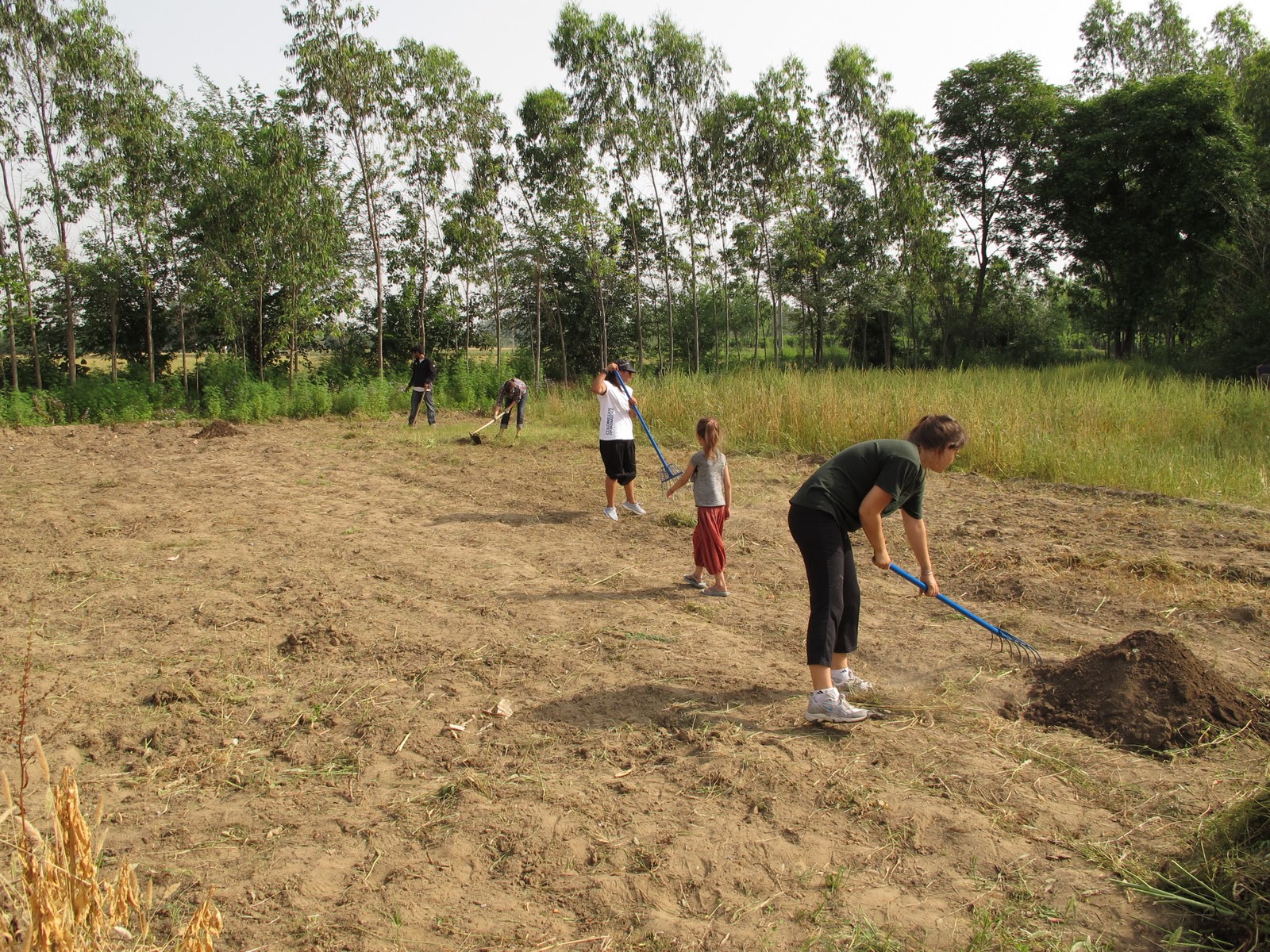
Today was the first EVER coalescence of EduCARE interns on the organic farm plot in Sotla, Punjab. Thanks to all the 14 heroes that turned up today at 7am to help out, we now have 100 square feet of dirt primed for folding in manure and planting seeds, a working compost system, and only one broken hoe. There were lots of ups and downs, though mostly ups in terms of temperature. There were surprise guest appearances from Mr. Bhullar (with chai and cookies), a giant spider, and various local spectators. Despite the distractions we hoed like mad all the way to midday.


Our patch for organic farming in Sotla, Dosarka
The organic farming project has come a long way in only three weeks. We've expanded our plot from 30 square feet to 100, removed all of the weeds, wildflowers, and abandoned carrots, and aerated the soil by hand. Thanks to Tom Kee, EduCARE's waste management intern, we've got a 2- bin compost system built, and lots of organic waste to fill it with. There's a completed survey to conduct among the local farmers so we can start building relationships with them and understand the lay of the land here in Sotla. Channels of communication are open with other organic farms in the region, and through them we've already got local, organic, heirloom seeds of okra, gourd, amaranth, and cucumber. We're also hot on the trail of organic green manure seeds and red wigglers for composting.

In the next 2 months we're confident there'll be little organic seedlings of oat, okra, gourd, cucumber, cantaloupe, amaranth, and beans braving the Punjabi sun, and a big batch of rich compost ready for the soil. By June there should also be a wealth of information about the farming community here in Sotla, as well as increased local understanding about the organic farming project. We're looking forward to the next round of interns who will keep this ball rolling, and enjoy the fruits (and vegetables) of the labor done so far. 


Yi Wen and Isis help clear the land
To newcomers, the plan is simple: start an organic plot, spread to hundreds if not thousands of acres and thereby save the world by reducing pesticide use in Punjab, then India, and then the world. Obviously, this is far easier said than done. In order for the organic farming vision to take hold in the region, there needs to be a paradigm shift. The immeasurable value of organic farming needs to be embraced by the community. Luckily, with this first assembly of dedicated interns this process has started. With every morning spent in the field, Punjab, the breadbasket of India, gets a step closer to organic. When asked by the locals, “What are you doing with those tools?” we reply, “We’re farming.” This has changed the perceptions of what the interns are here for and this will open the door for the merits of organic farming to be heard, and hopefully embraced in the community.